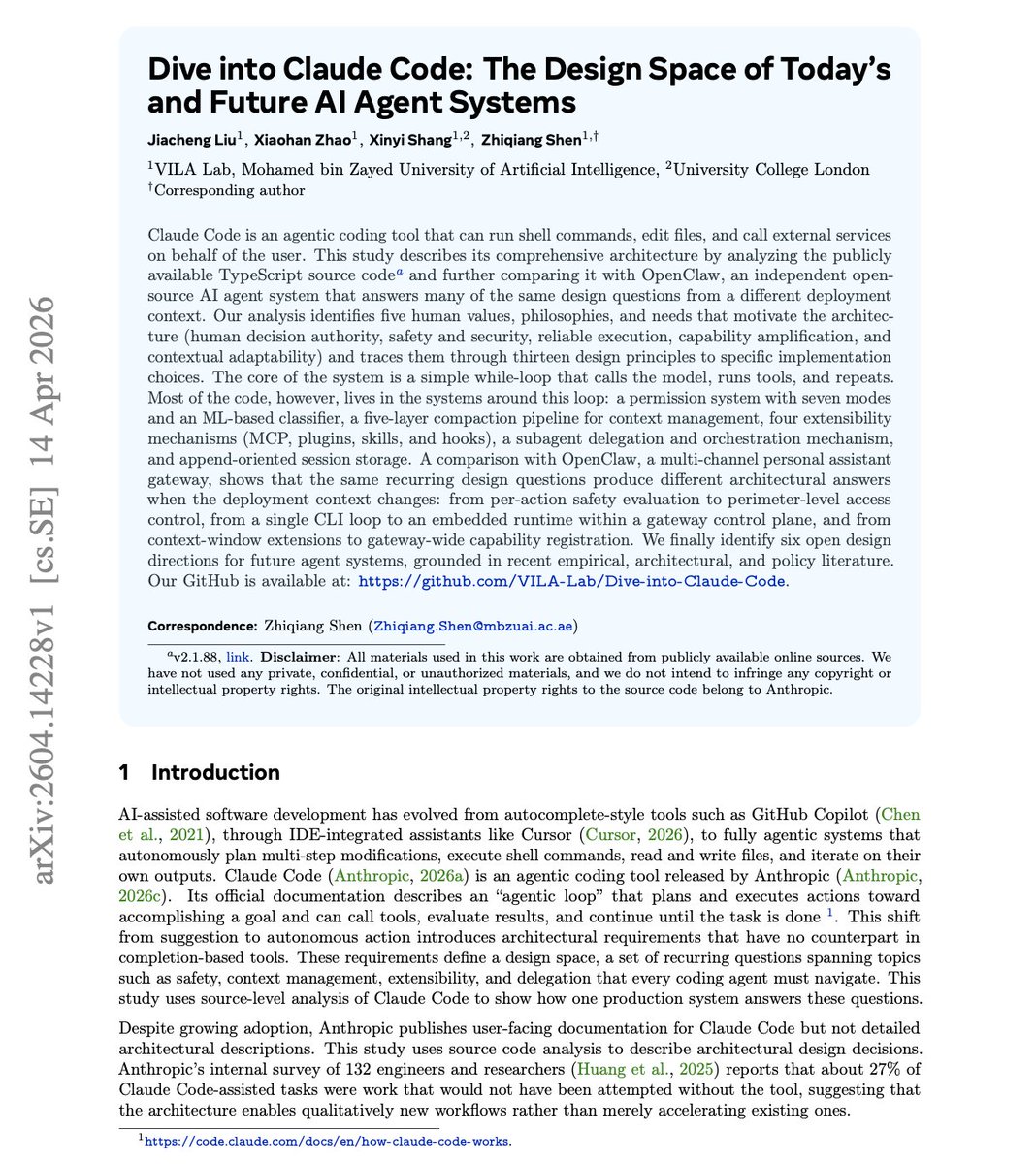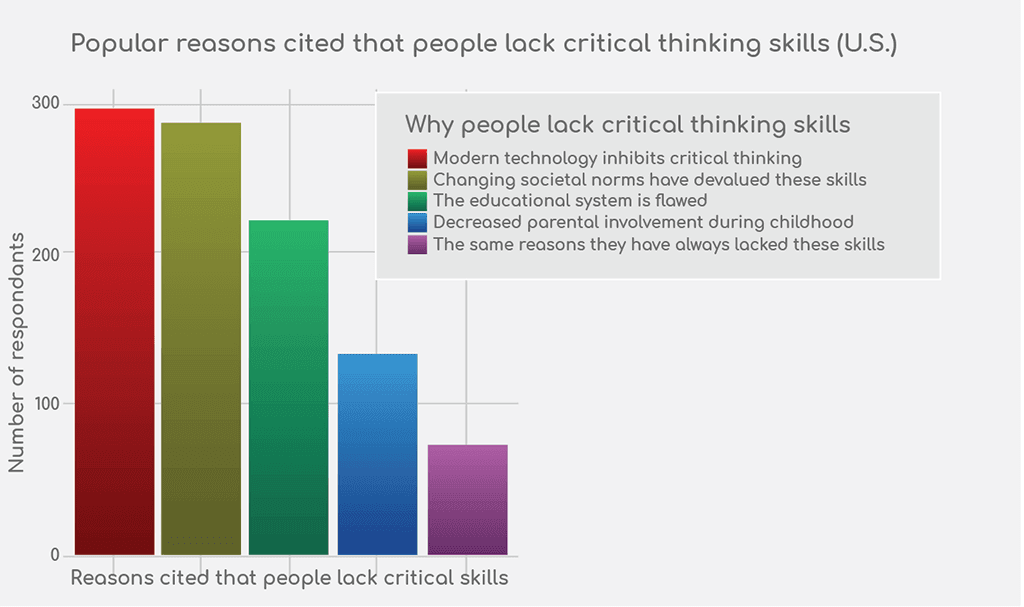
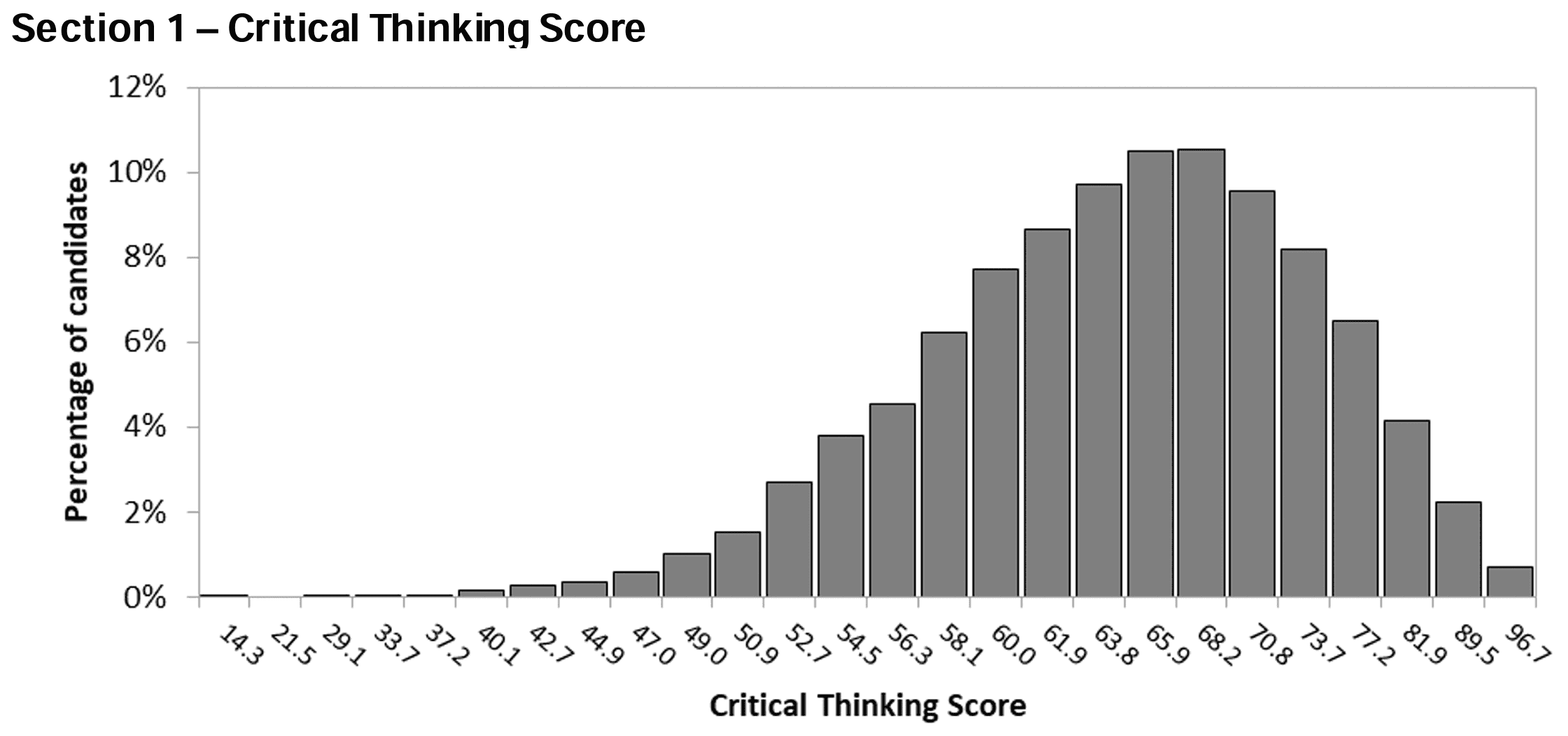
A social media post has drawn attention to a concerning academic finding: a study from the Massachusetts Institute of Technology (MIT) indicates that young adults aged 17 to 25 are exhibiting the lowest critical thinking scores ever recorded.
The post, a retweet by user @heynavtoor, references the study with the warning: "read this and try not to panic." The core claim is that this demographic's performance on assessments of critical thinking has hit a historic low. Researchers at MIT have reportedly labeled this trend "cognitive deskilling."
While the source is a brief social media post and does not link to the original research paper, the terminology "cognitive deskilling" is a known concept in educational and cognitive science literature. It refers to the atrophy of fundamental cognitive skills—like analysis, evaluation, and logical reasoning—often due to over-reliance on external tools or systems that perform those tasks.
In the context of 2026, the most salient and widely discussed driver of such deskilling is the pervasive integration of generative AI assistants into daily workflows, education, and problem-solving. Tools that can draft essays, debug code, summarize complex texts, and generate solutions on demand may reduce the frequency with which individuals engage in deep, critical analysis from first principles.
What This Means in Practice
For AI engineers and technical leaders, this isn't just a social trend—it's a direct feedback loop affecting their user base and talent pipeline. The very tools being built to augment human capability may be inadvertently diminishing the foundational skills necessary for their own sophisticated development and critical evaluation.
gentic.news Analysis
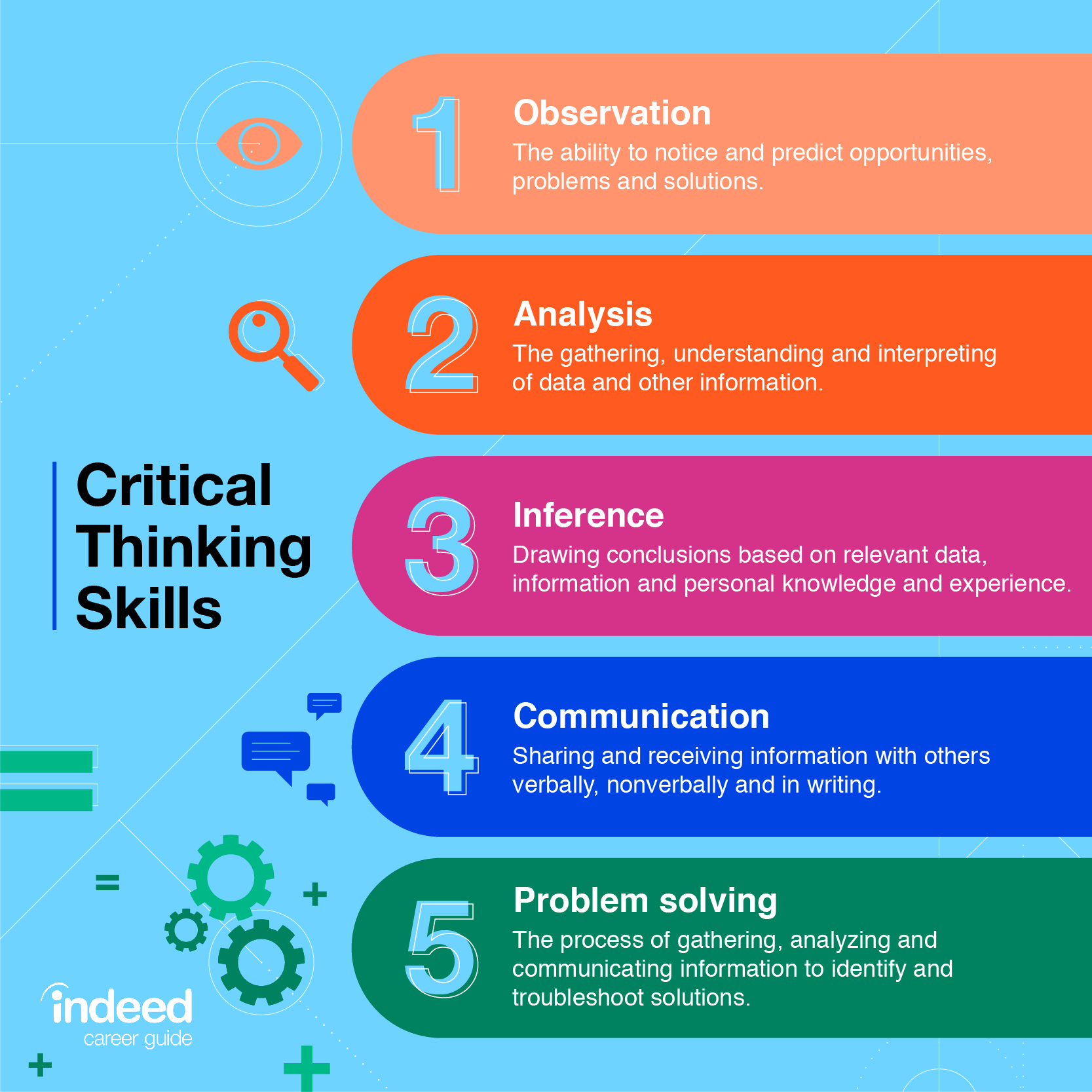
This reported finding from MIT, while needing verification from the primary source, aligns with a growing body of anecdotal and research-driven concern in the tech industry. Over the past two years, our coverage has tracked the dual-edged nature of AI adoption. For instance, our analysis of GitHub Copilot's impact on developer productivity noted efficiency gains but also raised questions about code comprehension depth. Similarly, our report on the "ChatGPT-ification" of computer science education highlighted professors grappling with students outsourcing core reasoning tasks.
The trend of "cognitive deskilling" presents a strategic paradox. Companies like OpenAI, Anthropic, and Google DeepMind are in an arms race to create more capable, agentic AI systems. However, if these systems lead to a decline in the critical thinking abilities of their heaviest users—particularly young developers and researchers—it could ultimately throttle innovation. The next generation of breakthrough models requires architects with profound problem-solving skills, not just prompt-engineering proficiency. This study suggests the industry may need to invest as heavily in "human skill preservation" initiatives—through educational partnerships or tool design that encourages reasoning—as it does in scaling parameters.
Frequently Asked Questions
What is "cognitive deskilling"?
Cognitive deskilling is the process where a fundamental mental skill deteriorates due to lack of use, often because an external tool or system consistently performs that task. In the context of AI, it could mean reduced ability in logical deduction, fact-checking, or structured writing because language models handle these tasks instantly.
Is this study definitively blaming AI?
The social media post does not specify the study's cited causes. However, the term "cognitive deskilling" and the age group in question (digital natives who came of age alongside advanced AI) strongly suggest that researchers are investigating technology and information environment shifts, with generative AI being a prime candidate for analysis.
What can tech leaders do about this trend?
Leaders can advocate for and design AI tools that promote understanding, not just output. This includes features that explain reasoning, require user input at key decision points, and integrate educational components. Supporting continued learning in formal and workplace education that emphasizes foundational reasoning alongside AI tool mastery is also critical.
Where can I find the original MIT study?
The source is a social media post that does not link to the original paper. To verify the claims, one would need to search MIT's publication databases or cognitive science journals for recent studies on critical thinking assessments and generational trends authored by MIT-affiliated researchers.