In a characteristically confident display during Nvidia's recent GTC Financial Analyst Q&A session, CEO Jensen Huang addressed one of the most pressing questions facing the AI chip giant: the potential threat from custom application-specific integrated circuits (ASICs) developed by major cloud providers and tech companies. Huang's response wasn't merely defensive—it was a bold declaration of Nvidia's strategic superiority in what he framed as a fundamental mismatch between approaches to AI infrastructure.
The Custom Chip Question
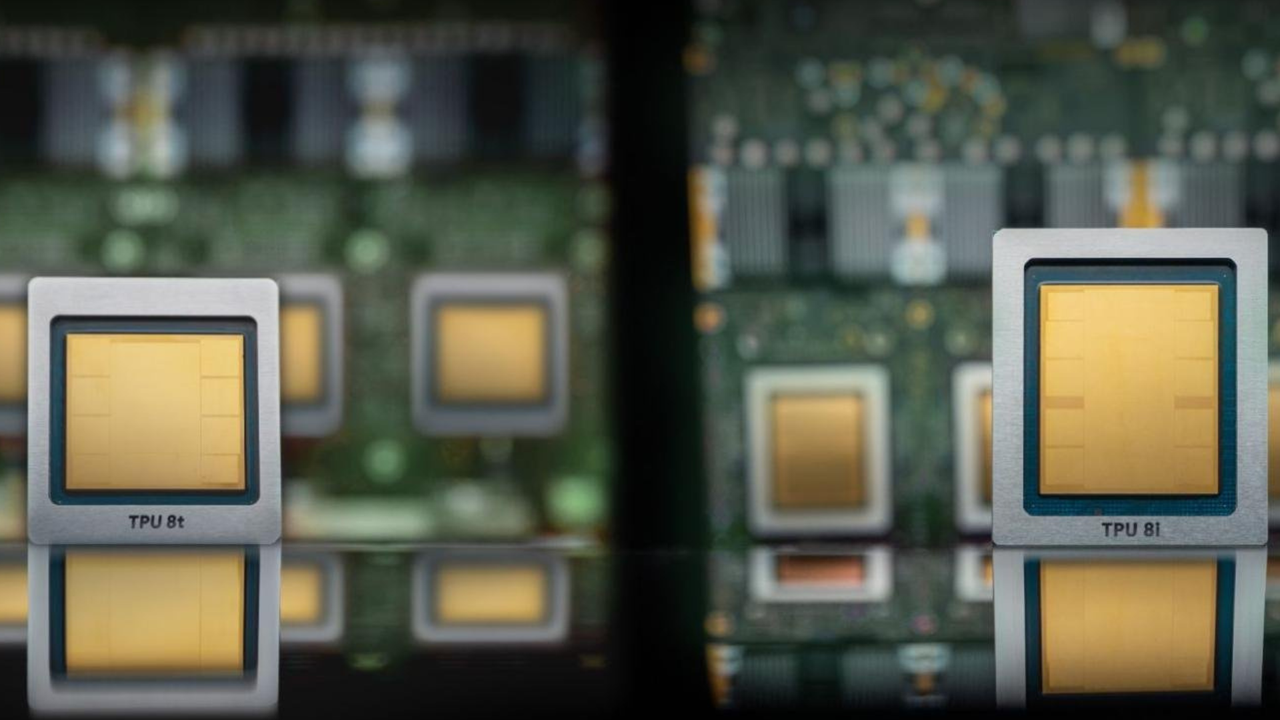
The question, posed by a UBS research analyst, centered on how custom ASICs might affect Nvidia's business and how the company plans to compete in an increasingly fragmented AI hardware landscape. Major players like Google (with its TPUs), Amazon (with Trainium and Inferentia), and Microsoft (reportedly developing its own AI chips) have invested heavily in custom silicon designed specifically for AI workloads. These chips promise optimized performance and cost efficiency for their respective cloud platforms, potentially reducing reliance on Nvidia's GPUs.
Huang's response, as captured in the session, dismissed this competitive dynamic as essentially irrelevant to Nvidia's position. He characterized custom chip efforts as "science projects" while positioning Nvidia as building "revenue-generating AI factories." This framing suggests that Huang views custom chips as experimental, isolated efforts rather than comprehensive solutions to enterprise AI needs.
Platform Versus Silicon
The core of Huang's argument centers on what he sees as Nvidia's fundamental advantage: it's not merely selling silicon, but delivering "the entire, impossibly complex platform that the industry has already surrendered to and standardized on." This platform includes not just GPUs, but the CUDA software ecosystem, libraries, development tools, and integration with major AI frameworks that have become the de facto standard for AI development.
Huang emphasized that while competitors are "desperately trying to copy Nvidia's last generation," Nvidia's roadmap is already pushing against "the limits of physics." This suggests that Huang believes Nvidia maintains both a technological and temporal advantage—not just in current capabilities, but in the pace of innovation that keeps competitors perpetually behind.
The Bet-the-Company Argument
Perhaps Huang's most compelling point addresses the risk calculus of enterprise AI adoption. He noted that "when you must bet hundreds of billions on your company's future, there is no alternative" to Nvidia's platform. This speaks directly to the concerns of CIOs and technology leaders who cannot afford to gamble their AI strategies on unproven or narrowly focused solutions.
The standardization argument is particularly powerful in enterprise contexts where interoperability, support, and talent availability are critical considerations. Nvidia's ecosystem has created a virtuous cycle: developers learn CUDA because it's the dominant platform, which makes CUDA more dominant because that's where the talent exists, which attracts more enterprise investment.
Implications for the AI Hardware Landscape
Huang's comments reveal several strategic insights about Nvidia's positioning. First, they suggest the company views competition not at the chip level, but at the platform level—a much higher barrier to entry. Second, they indicate confidence that even customers developing custom chips (like cloud providers) will continue to rely heavily on Nvidia's ecosystem for significant portions of their AI workloads.
The "AI factories" terminology is particularly revealing. It positions Nvidia not as a component supplier, but as an infrastructure provider for what Huang has previously described as the "new industrial revolution" centered on AI. This framing elevates the discussion from technical specifications to economic transformation.
The Confidence Factor
The reported "level of confidence" in Huang's delivery is itself noteworthy. In previous industry transitions, dominant players have often underestimated disruptive threats until it was too late. Huang's apparent lack of concern about custom ASICs suggests either genuine strategic confidence or a deliberate effort to shape market perception—or both.
This confidence is backed by Nvidia's extraordinary financial performance and market position. With the company's valuation exceeding $2 trillion and its data center revenue growing exponentially, Huang has the results to support his rhetoric. However, history shows that technological transitions can happen rapidly, and the economics of cloud-scale operations create powerful incentives for hyperscalers to develop their own silicon.
Looking Ahead
The custom chip versus general-purpose platform debate will likely continue to evolve. While Huang dismisses custom ASICs as science projects, the sheer scale of investment from companies like Amazon, Google, and Microsoft suggests they see substantial long-term value in controlling their AI hardware stack.
However, Huang's platform argument has merit: developing competitive AI silicon is one challenge; creating an entire ecosystem that matches CUDA's maturity, performance, and developer adoption is another entirely. The question may not be whether custom chips will replace Nvidia GPUs entirely, but what percentage of AI workloads might eventually migrate to specialized silicon, and how Nvidia will adapt its business model accordingly.
For now, Huang's message to investors and the industry is clear: Nvidia views itself not as a chip company facing competition from other chip companies, but as the foundational platform for the AI era—a position he believes is unassailable in the foreseeable future.