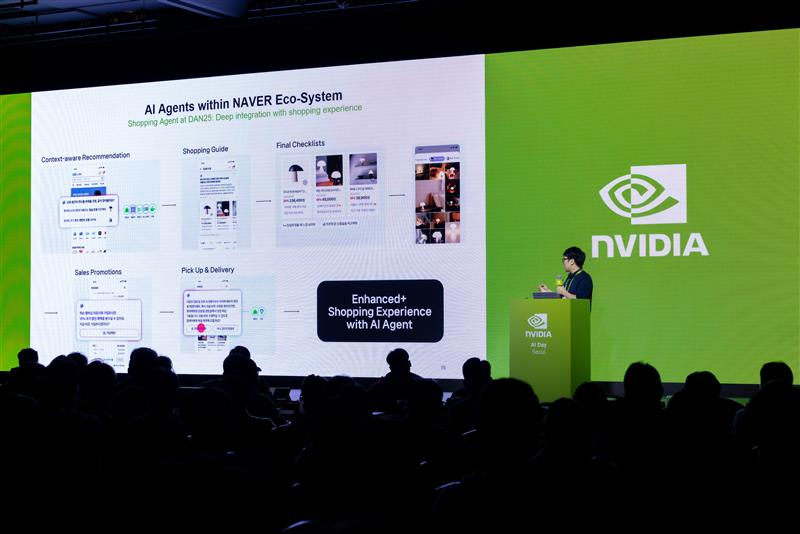
Nvidia Corporation, the undisputed leader in accelerated computing and artificial intelligence hardware, is making a calculated strategic move to cement its influence in one of the world's fastest-growing tech ecosystems. According to reports from CNBC and The Economic Times, the Silicon Valley giant is forging alliances with prominent venture capital firms to systematically identify, mentor, and fund the next wave of AI startups emerging from India. This initiative represents more than simple corporate outreach; it's a foundational investment in the future architecture of global AI development.
The Partnership Framework: Beyond Capital
While financial investment is a component, Nvidia's approach is multifaceted. The company is leveraging its established Nvidia Inception global startup program, which already boasts membership from over 4,000 AI startups in India. This program provides startups with crucial technical resources, including access to Nvidia's deep learning software, training on its AI platforms, and opportunities for co-marketing. By partnering with venture capital (VC) firms, Nvidia adds a critical layer: curated deal flow and growth capital.
The VC partnerships allow Nvidia to spot promising talent and technologies early. In return, the VCs gain a powerful technical ally that can perform deep technical due diligence and provide their portfolio companies with an unparalleled competitive edge in hardware and software optimization. This creates a powerful flywheel: VCs fund the startups, Nvidia equips them with technology and expertise, successful startups drive demand for more Nvidia products, and the ecosystem grows.
The Infrastructure Backbone: Yotta's $2 Billion Bet
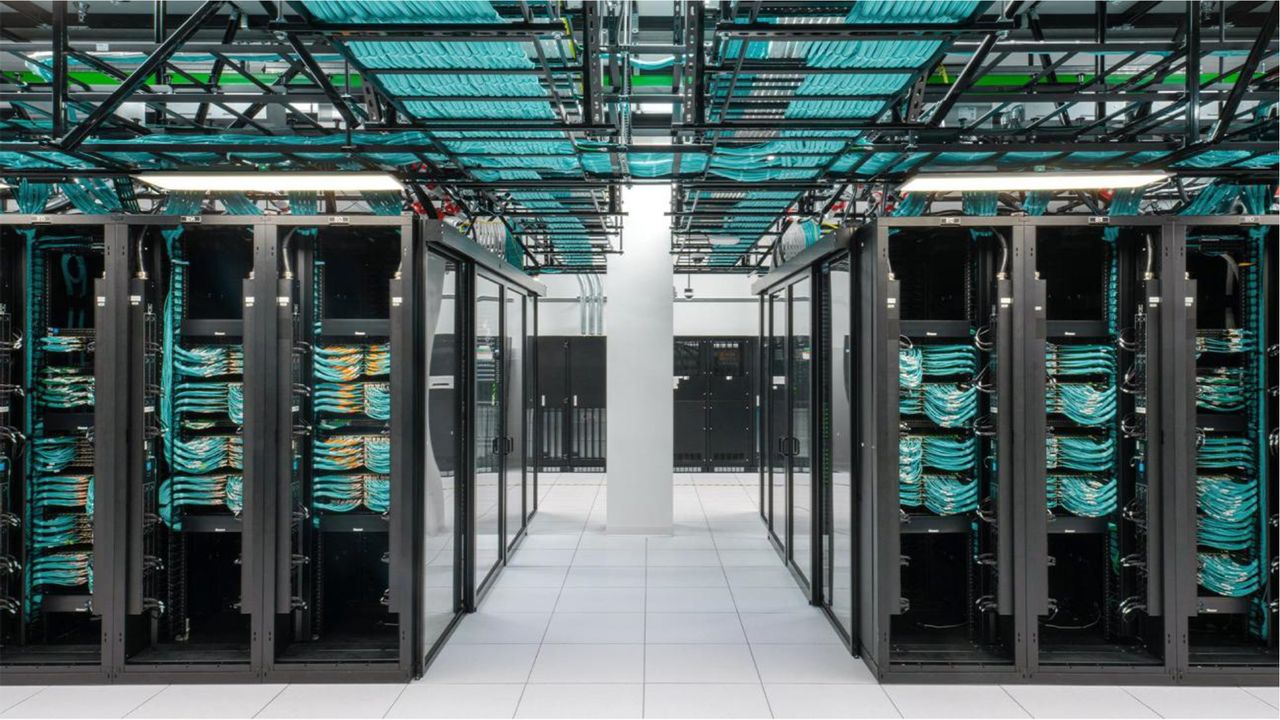
Parallel to this startup-focused initiative is a colossal infrastructure investment that underscores the scale of India's AI ambition. Indian cloud service provider Yotta has committed approximately $2 billion to Nvidia chips, including the cutting-edge H100 and upcoming Blackwell architecture GPUs. This investment, reported by The Economic Times, is not for a distant future but for immediate deployment.
Yotta's order signifies a critical shift. It moves India from being primarily a consumer of cloud AI services hosted overseas (like on AWS or Google Cloud) to becoming a hub for sovereign AI infrastructure. This domestic capacity is essential for training large language models on local datasets, serving India's specific linguistic and cultural needs, and ensuring data privacy and regulatory compliance. It provides the essential compute backbone that Nvidia's incubated startups will eventually scale on.
Context: India's Ascent in the Global AI Landscape
India's potential as an AI powerhouse has been long predicted but is now materializing. The country possesses a formidable combination:
- A Vast Talent Pool: World-class engineering graduates, a strong tradition in IT services, and a growing number of AI researchers.
- A Massive Domestic Market: Unique problems in agriculture, healthcare, logistics, and language translation that are ripe for AI solutions.
- Government Initiatives: Programs like "AI for All" and the National AI Portal are creating policy frameworks and momentum.
Nvidia's strategy recognizes that the next seminal AI application or foundational model may not originate in Silicon Valley or Shenzhen, but in Bangalore or Hyderabad. By embedding itself in the ecosystem now, Nvidia aims to shape its development and ensure its hardware and software stacks become the default standard for Indian innovation.
Strategic Implications for the Global AI Race
This move has significant ramifications beyond India's borders.
- Diversification of the AI Supply Chain: As geopolitical tensions highlight the risks of concentrated semiconductor and AI development, fostering a strong, independent hub in India provides resilience for the global tech ecosystem.
- Market Capture: India is the world's most populous nation and a rapidly digitizing economy. The AI solutions that succeed here will be battle-tested at a scale and diversity unmatched elsewhere, giving their creators a global advantage.
- The Platform Play: For Nvidia, this is the ultimate platform-strengthening maneuver. More Indian startups building on Nvidia means more models optimized for CUDA and Nvidia's systems, creating profound and enduring lock-in. It directly fuels demand for its latest systems, like the newly unveiled Blackwell Ultra GB300 NVL72, which promises revolutionary performance gains.
Challenges and the Road Ahead
The path is not without obstacles. India still faces challenges in consistent power infrastructure, data availability, and retaining top AI research talent against global competition. Furthermore, Nvidia's dominant position raises questions about the long-term independence of the startup ecosystem it seeks to nurture.
However, the alignment of interests is powerful. India gains capital, cutting-edge technology, and global connectivity. Nvidia gains a new frontier for growth, influence over a generation of developers, and a strategic partner in a key geopolitical region. This partnership is less a simple corporate expansion and more a concerted effort to co-author the next chapter of the AI revolution, with India playing a leading role.
Source: Based on reporting from CNBC, The Economic Times, and The Decoder.