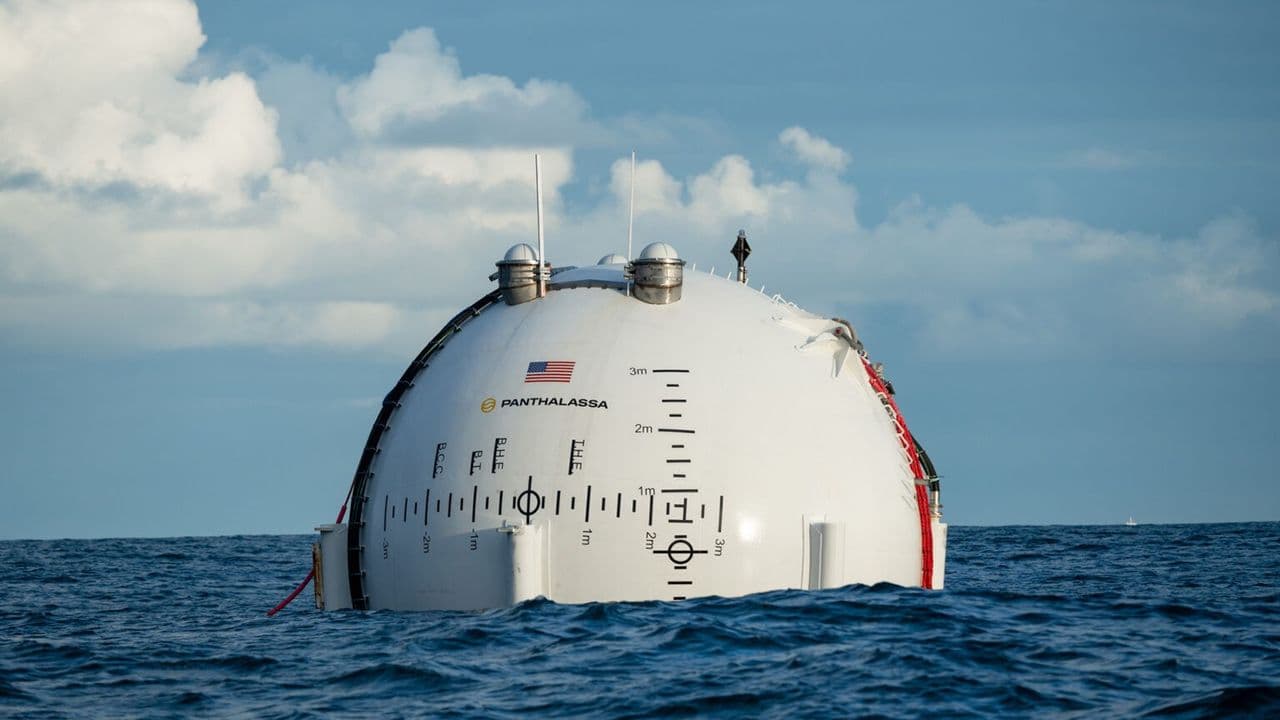
Peter Thiel led a $140M Series B for Panthalassa, a startup building wave-powered AI data centers at sea. The offshore nodes generate electricity and house compute hardware, transmitting data via satellite.
Key facts
- $140M Series B led by Peter Thiel.
- Nodes generate power 24/7 from ocean waves.
- Free supercooling from surrounding seawater.
- Data transmitted via satellite, no cables needed.
- Pilot factory in Oregon for Ocean-3 nodes.
Panthalassa raised $140 million in a Series B funding round led by Palantir co-founder Peter Thiel, the company announced yesterday. The Portland-based startup will use the capital to complete a pilot manufacturing facility in Oregon for its Ocean-3 series nodes — autonomous platforms that generate electricity from ocean waves and house AI inference compute onboard. [According to the press release]
Each lollipop-shaped node consists of a buoyant spherical head connected to a long, submerged vertical tube. As ocean waves pass, relative motion between the structure and water column drives seawater through internal turbines, generating electricity in a closed hydraulic loop. The system generates power around the clock as the ocean never stops moving. Surrounding ocean provides free supercooling, solving one of the biggest engineering challenges in land-based data centers. Data transmits to shore via satellite, eliminating the need for undersea cables. [Per the company's blog post]
The unique take: Panthalassa is betting that offshore compute will bypass the land-based energy and cooling bottlenecks that currently constrain AI infrastructure scaling. Global datacenter capex now reaches $250–300 billion annually [per recent industry reports], and wave power offers a 24/7 renewable source unlike intermittent solar or wind. The satellite backhaul sidesteps the high cost and lead time of submarine cable deployment, which can take years and cost billions for transoceanic routes.
How the technology works
The node's design exploits the difference between the structure's motion and the water's orbital movement. Oscillating flow is channeled into a spherical chamber through a high-pressure jet, converting wave energy into mechanical power. The water then passes through turbines, generating electricity before recirculating. Each node also incorporates propulsion and station-keeping systems, allowing it to maintain position or operate as part of a distributed offshore network. [According to the source]
What's next
Panthalassa plans to deploy fleets of nodes for AI inference workloads, targeting customers who need compute capacity without the energy and cooling constraints of land-based facilities. The company claims its system can operate in the planet's most energy-dense wave regions, far from shore. The pilot factory in Oregon is expected to begin producing Ocean-3 nodes in the coming quarters.
What to watch
Watch for the completion of Panthalassa's Oregon pilot factory and the first commercial deployment of Ocean-3 nodes. Any customer announcements — especially from hyperscalers or AI labs — would signal whether offshore compute gains traction as a serious alternative to land-based infrastructure.
[Updated 06 May via dck_news]
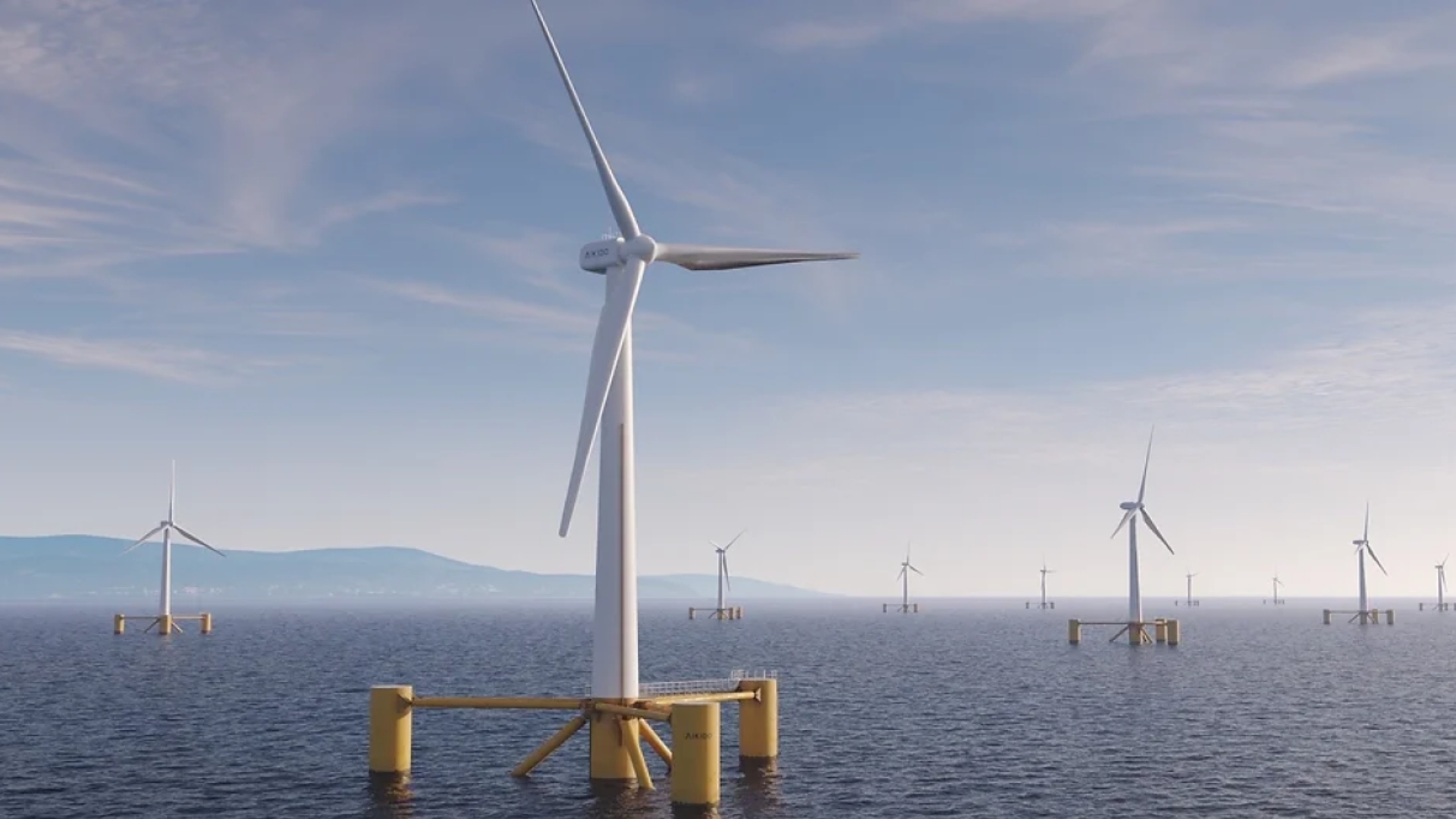
Meta's recent space solar investment underscores the broader industry scramble for alternative power sources, as grid expansion fails to keep pace with AI data center demand [per Data Center Knowledge]. Panthalassa's wave-powered nodes offer a potential offshore solution, though the technology remains unproven at scale.