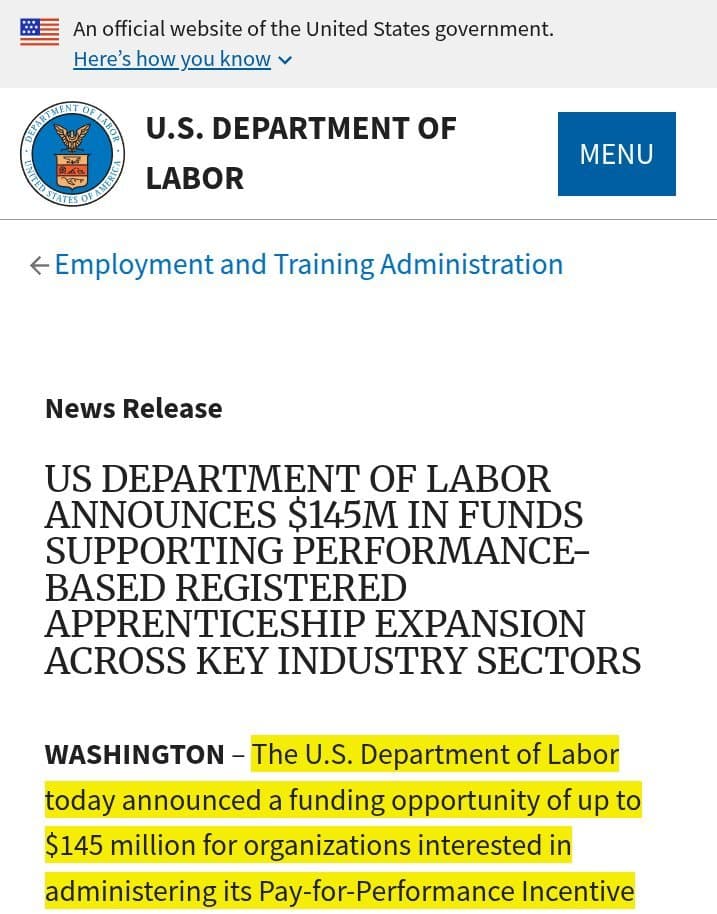
In a significant move to address the growing demand for skilled tech workers, the US government has announced a $145 million investment in apprenticeship-based training programs focused on artificial intelligence, semiconductors, and nuclear energy. This initiative, part of a broader push to reach one million active apprentices nationwide, represents a strategic shift in how the country approaches workforce development in critical technology sectors.
The Apprenticeship Model: A New Approach to Tech Training
The funding will support apprenticeship programs that treat AI work as a skilled trade rather than exclusively a white-collar profession requiring advanced academic credentials. This approach recognizes that many essential roles in the AI ecosystem—including deploying models, managing data centers, operating inference clusters, and handling supporting systems and hardware—can be learned through hands-on experience rather than traditional academic pathways.
"This is a very powerful signal that AI work is being treated like a skilled trade, not just a white-collar degree job," noted AI commentator Rohan Paul, who first reported the announcement. "A lot of this workforce will be trained on the job, without needing a PhD or an elite CS background."
The initiative aims to create accessible pathways into high-tech careers for individuals who might not have the resources or opportunity to pursue traditional four-year degrees or graduate programs. This could help diversify the tech workforce while addressing critical shortages in specialized fields.
Funding Structure: Pay-for-Performance Incentives
A key innovation in this funding approach is its "pay-for-performance" structure. Rather than providing large upfront checks for training activities, sponsors will receive incentive payments when they successfully create or expand apprenticeships and move participants through measurable milestones.
This model addresses a common barrier to apprenticeship growth: sponsors often bear early costs for program setup, mentoring time, and administration before knowing whether their programs will scale successfully. By aligning payments with outcomes, the government hopes to encourage sustainable program development while ensuring taxpayer dollars deliver tangible results.
The funding rules require that at least 85% of dollars flow out as incentive payments, with applicants proposing their own incentive models. This flexibility allows organizations to design programs tailored to their specific industries and workforce needs while maintaining accountability for results.
Strategic Context: Competing in Critical Technologies
This investment comes amid intense global competition in artificial intelligence, semiconductor manufacturing, and clean energy technologies. The United States has been implementing a multi-pronged strategy to strengthen its position in these sectors, including the CHIPS and Science Act's $52.7 billion for semiconductor research and manufacturing and various AI safety and development initiatives.
The apprenticeship program complements these larger investments by addressing the human capital dimension of technological competitiveness. Without sufficient skilled workers, even the most advanced facilities and research initiatives cannot reach their full potential.
Implications for the AI Workforce
The recognition of AI roles as skilled trades could reshape career pathways in technology. While research and development positions will continue to require advanced education, many implementation, maintenance, and operational roles may become accessible through alternative credentials and on-the-job training.
This approach could help address several challenges simultaneously:
- Workforce shortages in rapidly growing AI infrastructure sectors
- Geographic distribution of tech jobs beyond traditional hubs
- Economic mobility for workers without elite educational backgrounds
- Diversity in a field that has struggled with representation
Implementation and Challenges
The Department of Labor will award up to five cooperative agreements through this initiative. Successful applicants will need to demonstrate how their programs will create sustainable pathways into AI, semiconductor, and nuclear energy careers while meeting the pay-for-performance requirements.
Potential challenges include:
- Developing standardized skill assessments for emerging AI roles
- Ensuring apprenticeship quality across diverse industries and employers
- Creating clear career progression pathways beyond entry-level positions
- Balancing immediate workforce needs with long-term skill development
Looking Ahead: The Future of Tech Education
This $145 million investment represents more than just another workforce development program—it signals a fundamental rethinking of how societies prepare workers for the AI era. By blending elements of traditional trades apprenticeship with cutting-edge technology training, the initiative could establish a new model for tech education that balances accessibility with rigor.
As AI continues to transform industries and create new types of jobs, such innovative approaches to workforce development may become increasingly important for maintaining economic competitiveness and ensuring that technological progress benefits broad segments of the population.
Source: Initial report from @rohanpaul_ai on X/Twitter based on US government announcement.