The Innovation
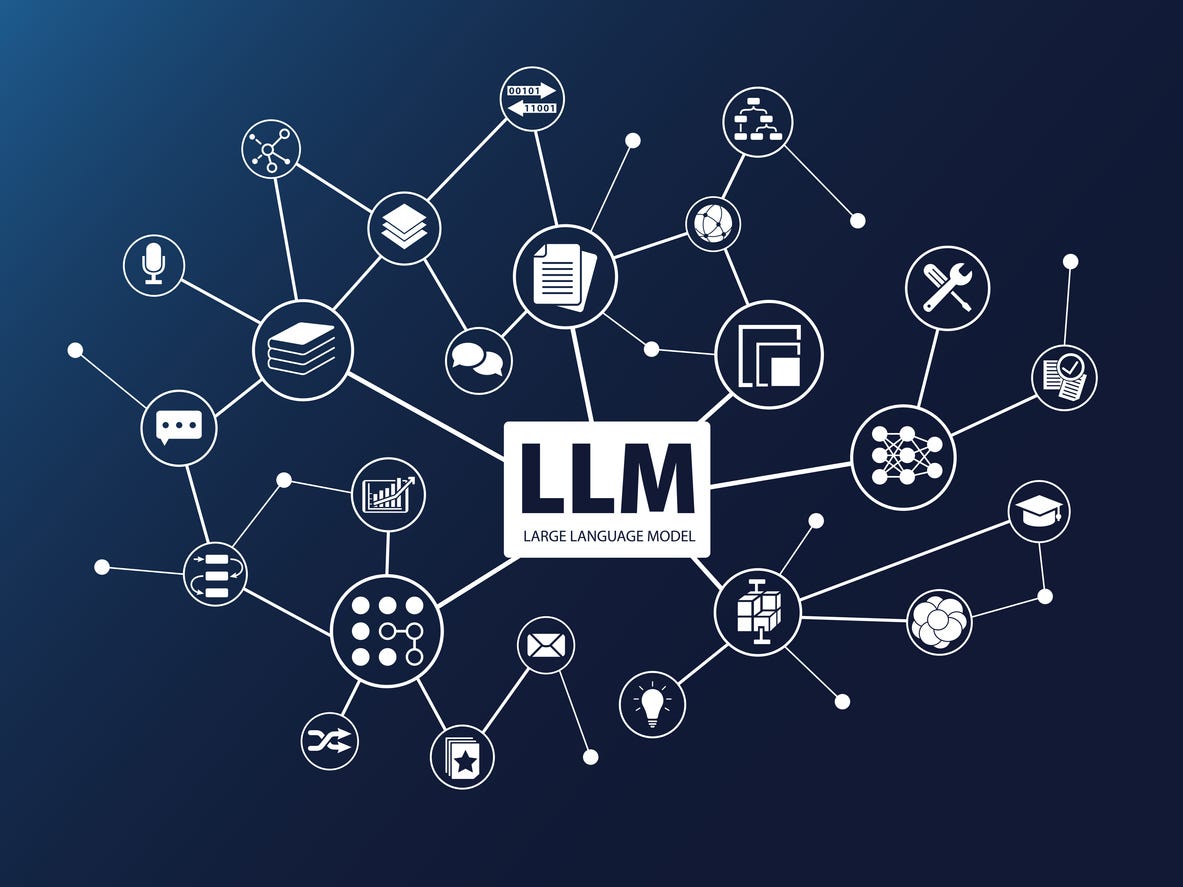
Agentic AI represents a paradigm shift from single-task AI models to autonomous systems capable of planning, executing, and adapting multi-step workflows to achieve complex goals. Unlike a simple chatbot, an agentic AI for retail can autonomously: analyze a client's purchase history and real-time browsing behavior; cross-reference inventory across physical stores and e-commerce; draft a personalized product curation email; schedule a follow-up appointment with a store associate; and adjust its strategy based on client engagement—all without human intervention for each step. This is powered by advancements in large language models (LLMs) like Google's Gemini series, integrated with reasoning frameworks and tool-use capabilities (e.g., accessing CRM, PIM, and booking systems). The recent collaboration between Google and Wesfarmers to redefine shopping experiences using agentic AI signals its move from research to real-world retail pilots.
Why This Matters for Retail & Luxury
For luxury brands, the core challenge is scaling the intimate, trusted advisor relationship of top-tier clienteling to a broader audience. Agentic AI directly addresses this. The Clienteling and CRM departments stand to benefit most profoundly. Specific use cases include:
- Proactive Personal Shopping: The AI can autonomously monitor new arrivals or restocks against a client's known preferences and size, initiating a personalized outreach with curated looks.
- Omnichannel Journey Orchestration: Seamlessly guiding a client from an online browse to an in-store fitting. The AI can book the appointment, notify the store associate of the client's interest, and ensure the items are ready.
- Lifetime Value Optimization: By autonomously managing nurture campaigns, post-purchase follow-ups, and milestone acknowledgments (e.g., birthdays), the AI works continuously to deepen client relationships.
- VIP Event Management: From personalized invitation generation to tracking RSVPs and post-event follow-up sequences, the AI handles the operational burden, allowing human staff to focus on high-touch interaction during the event itself.
Business Impact & Expected Uplift
While large-scale luxury deployments are nascent, early indicators and adjacent implementations suggest significant potential. Industry benchmarks for advanced personalization, which agentic AI supersedes, typically show:
- Conversion Rate Uplift: 15-30% for highly personalized experiences (McKinsey, "The value of getting personalization right—or wrong—is multiplying").
- Average Order Value (AOV) Increase: 10-20% through effective cross-selling and bundling informed by deep client history (Deloitte, "Global Powers of Retailing").
- Client Advisor Productivity: 20-40% time savings on administrative and outreach tasks, reallocated to high-value interactions (Salesforce, "State of Service" reports).
Time to value: Initial impacts on advisor productivity and client outreach scale can be seen within 1-2 quarters. Full impact on conversion and AOV may take 2-3 quarters as the AI learns and optimizes client interactions.
Implementation Approach
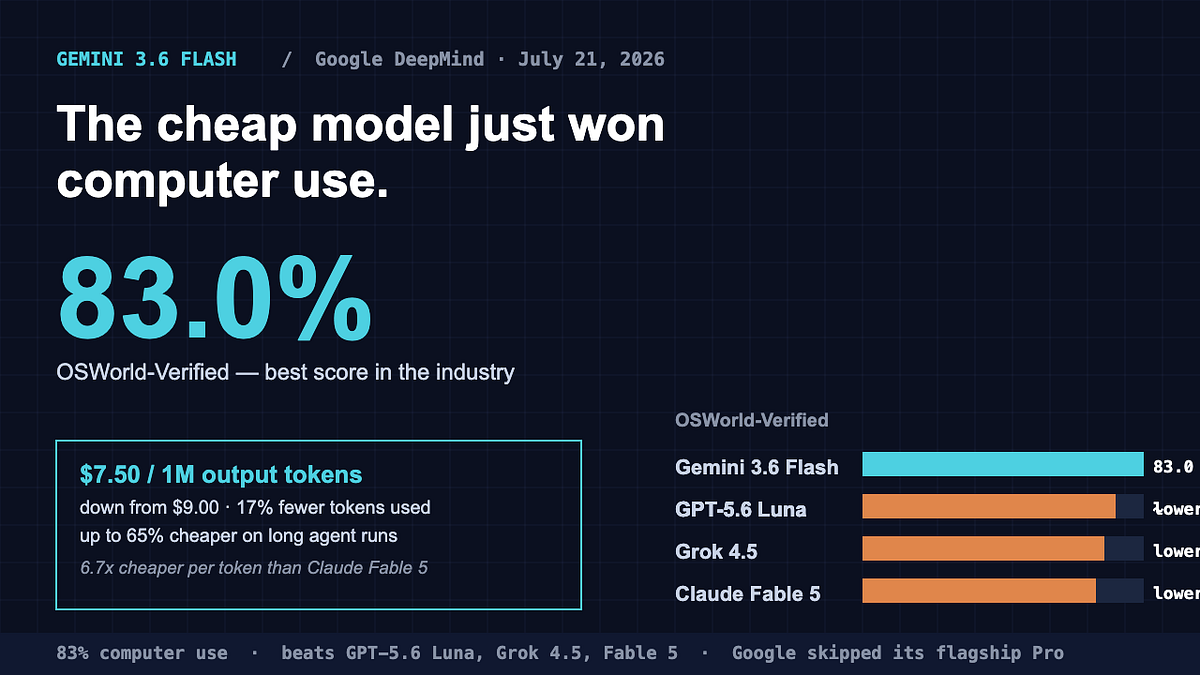
Technical Requirements: A robust data foundation is non-negotiable. This includes a unified client profile (CDP), integrated product data (PIM), real-time inventory feeds, and API-access to communication & scheduling systems. Infrastructure requires a cloud platform (e.g., Google Cloud Vertex AI) capable of hosting and serving LLMs (like Gemini 3.1 Flash-Lite for cost-optimized workflows) and executing the agentic logic.
Complexity Level: High. This is not a plug-and-play API. It requires custom orchestration layer development, significant integration work, and careful design of the AI's goals, actions, and guardrails.
Integration Points: Must integrate deeply with the CRM (e.g., Salesforce, Microsoft Dynamics), CDP, e-commerce platform (e.g., Salesforce Commerce Cloud, Magento), store appointment systems, and email/SMS service providers.
Estimated Effort: A minimum viable pilot for a single use case (e.g., proactive replenishment outreach) is a 3-6 month effort for a dedicated cross-functional team (data engineers, ML engineers, UX designers, clienteling leads). Enterprise-wide scaling is a multi-quarter to multi-year roadmap.
Governance & Risk Assessment
Data Privacy & Consent: This is paramount. All client data usage must be grounded in explicit consent frameworks (GDPR, CCPA). The AI's actions, especially outbound communications, must be governed by clear opt-in preferences. Transparency about AI involvement is a strategic brand decision for luxury houses.
Model Bias & Brand Safety: The AI's curation and communication must reflect the brand's aesthetic and values. Training data and continuous monitoring are needed to prevent bias in product recommendations (e.g., across diverse body types, skin tones, cultural contexts). All autonomous communications require brand tone-of-voice fine-tuning and human-in-the-loop oversight for high-value clients.
Maturity Level: Prototype to Early Production. The underlying LLM technology (Gemini, GPT) is production-ready. However, the agentic orchestration layer for complex retail workflows is in the early adopter phase. The Wesfarmers collaboration is a key indicator of moving toward proven-at-scale.
Honest Assessment: This is beyond experimental but not yet a commoditized solution. For luxury brands, a cautious, pilot-first approach is advised. Start with a bounded, high-impact use case (e.g., VIP event follow-up) with heavy initial human supervision. The strategic imperative from Deloitte's 2026 trends—the need for unprecedented speed and human advantage—makes exploring this technology a competitive necessity, but implementation must be meticulous to protect brand equity.