Industry projections forecast agents handling 50% of online transactions by 2027. google-cloud" class="entity-chip">Google Cloud leads enterprise agentic AI rollouts in banking, per recent consumer research from Retail TouchPoints.
Key facts
- Agents projected to handle 50% of online transactions by 2027.
- Gartner projects 40% of enterprise apps with AI agents by 2026.
- Banks cut processing time 70% with agentic AI automation.
- Google Cloud leads enterprise agentic AI rollouts in banking.
- Payment reliability is the key competitive differentiator.
The race to dominate agentic commerce is narrowing to a single metric: payment reliability. According to Retail TouchPoints, the first wave of consumer research on agentic AI in retail surfaces a stark finding — retailers that fail to guarantee flawless payment execution in autonomous shopping flows will lose customer trust and market share.
Key Takeaways
- Agents projected to handle 50% of online transactions by 2027.
- Payment reliability determines winners in agentic commerce, with Google Cloud leading enterprise rollouts.
The 50% Threshold
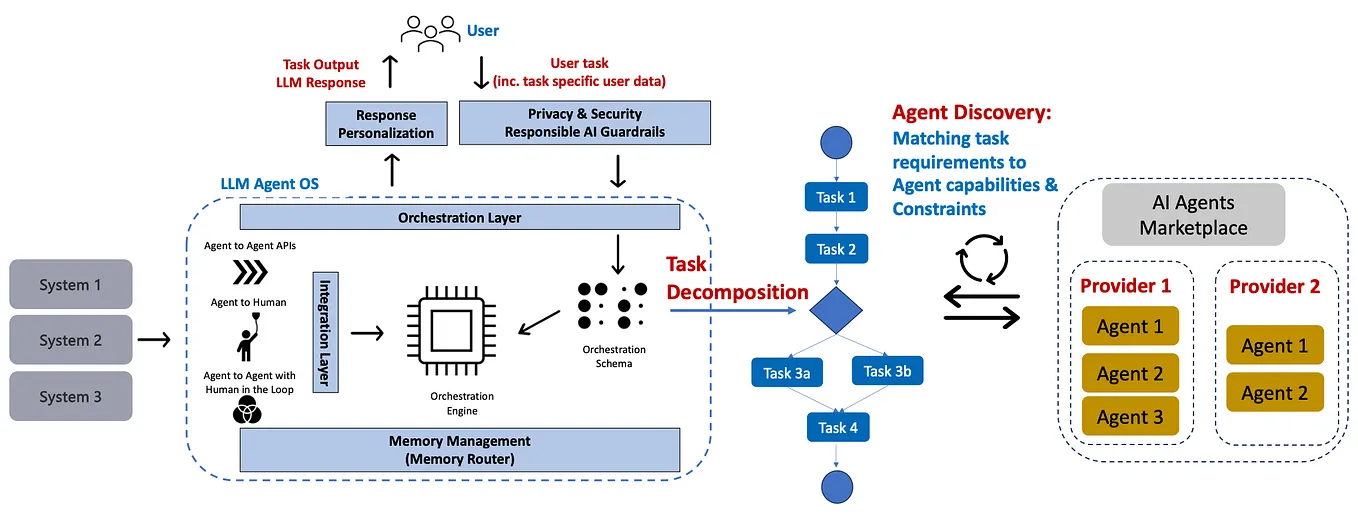
Industry projections forecast agents handling 50% of online transactions by 2027 [According to The Dawn of AI and Agentic Com]. That's up from near-zero today. Gartner projects 40% of enterprise applications will feature task-specific AI agents by 2026 [per Gartner]. The compound growth rate implies roughly 3x year-over-year agent transaction volume through 2027.
Payment Reliability as Moat
The second source, Retail TouchPoints, frames the competitive dynamic: "In Agentic Commerce, Payment Reliability will Determine Who Wins." This isn't a feature — it's the table-stakes requirement. Banks deploying agentic AI for back-office automation have already cut processing time by 70% [According to The Dawn of AI and Agentic Com]. Google Cloud leads these enterprise rollouts in banking [per recent history], suggesting the infrastructure battle is already underway.
The Unique Take
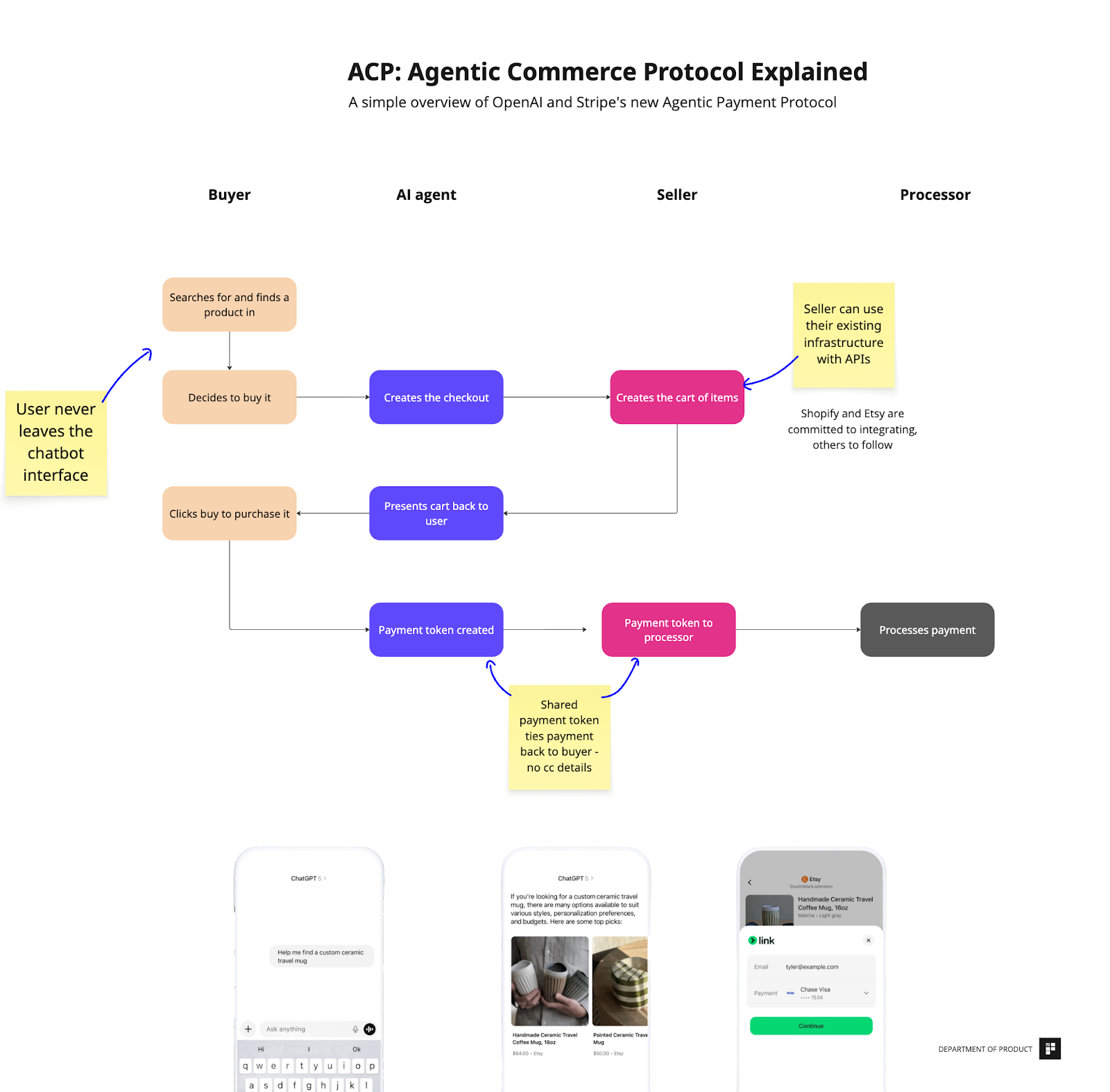
The AP wire would report "retailers explore AI agents." The structural story is different: payment reliability is the bottleneck that separates hype from production. Agentic commerce requires autonomous payment execution with zero latency and zero failure — a bar no current checkout system meets. The winners will be those who solve payment orchestration, not recommendation engines.
Who This Affects
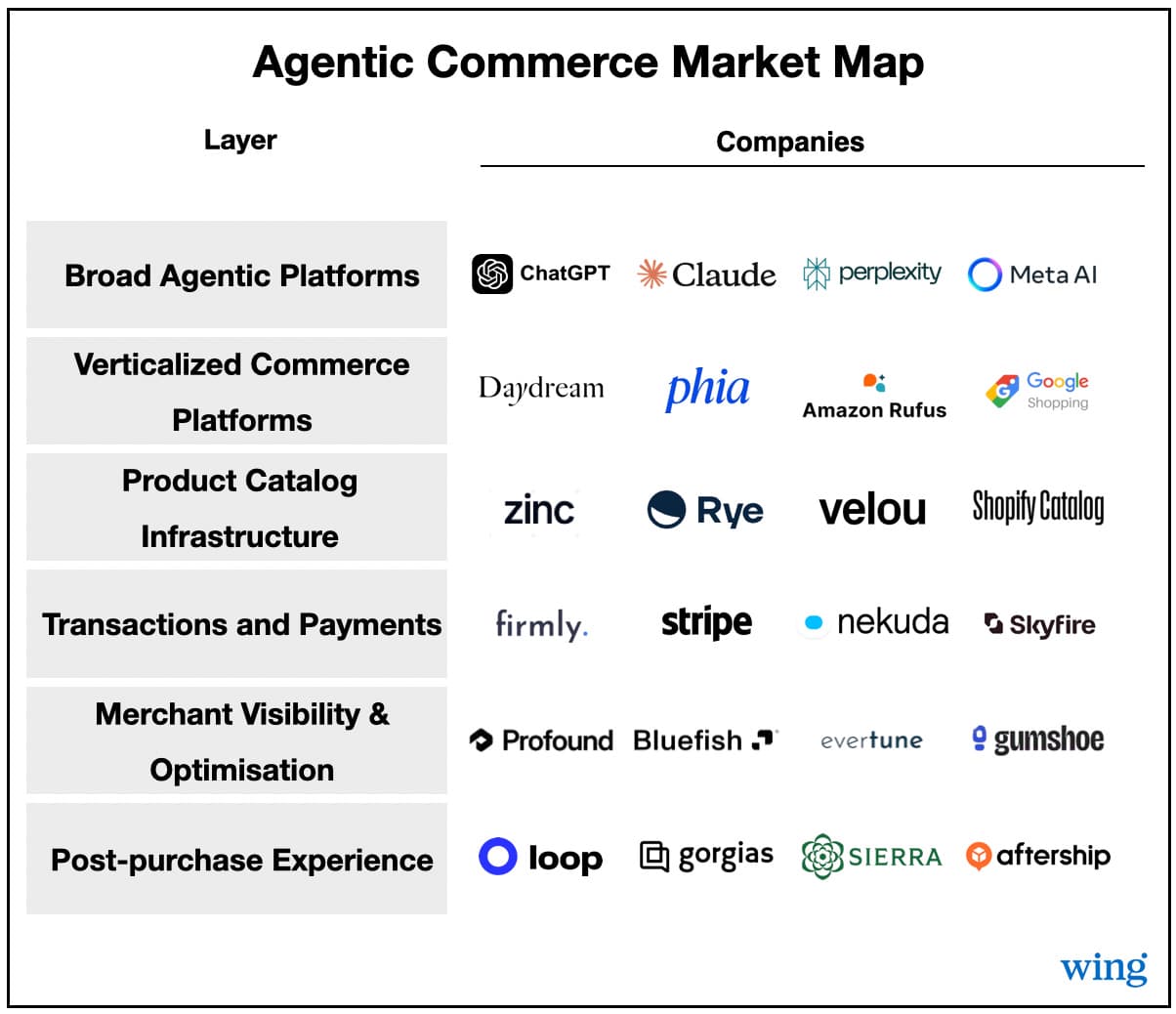
Three user personas face immediate pressure: e-commerce platform operators (Shopify, BigCommerce), payment processors (Stripe, Adyen, Square), and cloud infrastructure providers (Google Cloud, AWS, Azure). For platform operators, the risk is disintermediation — agents may bypass traditional storefronts entirely. For payment processors, the opportunity is becoming the default settlement layer for agent-driven purchases. For cloud providers, enterprise agentic AI rollouts in banking and retail represent a $10B+ infrastructure opportunity by 2027, per analyst estimates.
What to watch
Watch for Google Cloud's Q3 2026 agentic commerce revenue disclosure and whether Stripe or Adyen announces native agent payment APIs. Also track retailer adoption of autonomous checkout flows — the first major brand to publicly commit to agentic commerce will set the competitive benchmark.
[Updated 15 May via gn_ai_retail_usecase]
Stellagent has launched an Agentic Commerce Studio designed to help retailers prepare for AI agent-driven shopping, the company announced via PR Newswire. The studio offers tools to test and optimize autonomous checkout flows, addressing the payment reliability bottleneck identified in recent research. This move signals growing vendor urgency to solve agentic commerce infrastructure challenges.
[Updated 15 May via retail_dive]
Stripe has partnered with Google to bring agentic checkout to four major AI platforms, including Google's Gemini, the companies announced via Retail Dive. The integration enables AI agents to complete purchases using Stripe's infrastructure, directly addressing the payment reliability bottleneck. Stripe CEO Patrick Collison said the partnership aims to make agentic payments "as seamless as human checkout." This collaboration positions Stripe as a default settlement layer for agent-driven purchases, potentially accelerating the 50% transaction threshold.