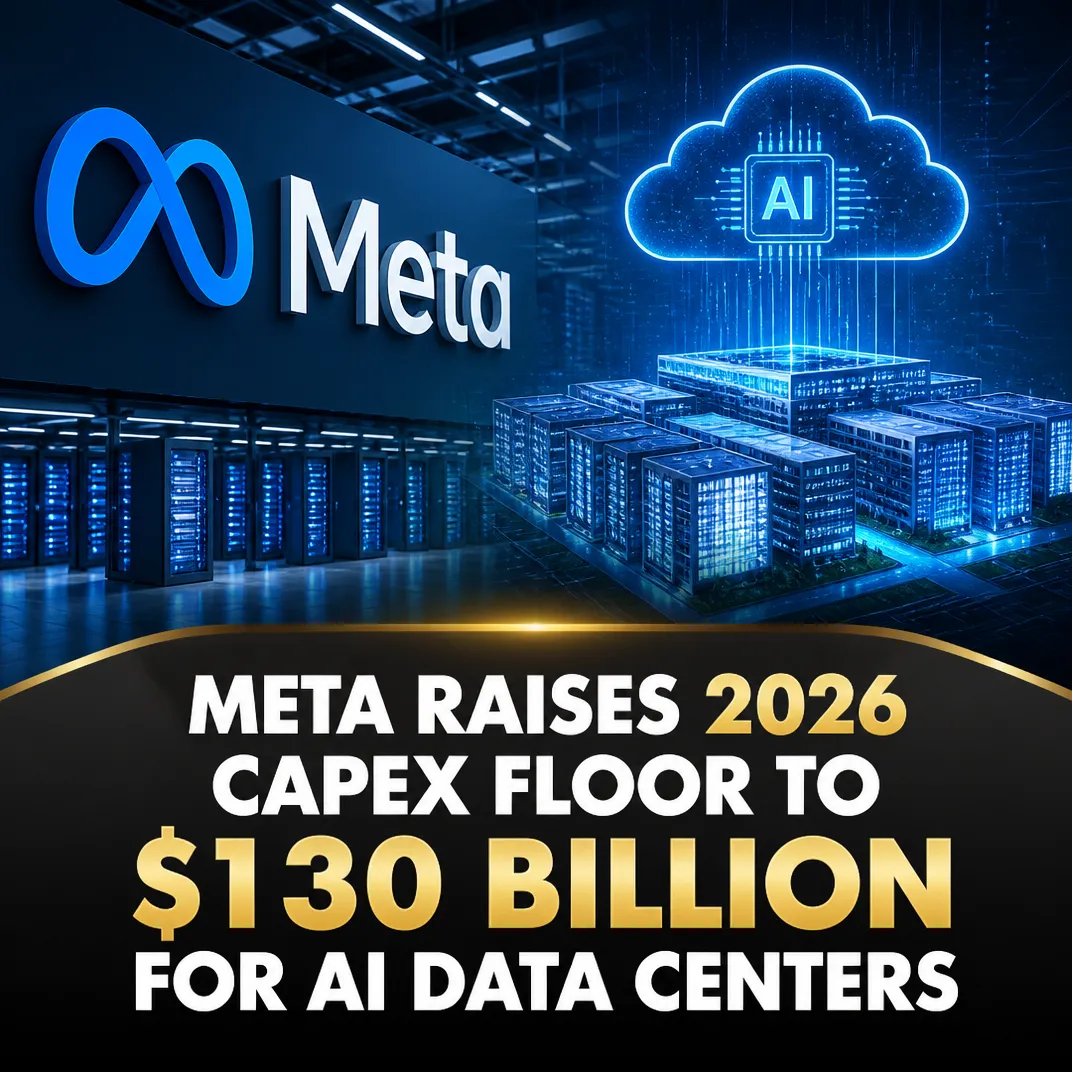
PJM reported 220GW in grid interconnection requests as of April 2026. Hyperscalers including Google, Microsoft, and Amazon face 3-7 year delays for new transmission capacity.
Key facts
- PJM interconnection queue: 220GW as of April 2026.
- 70% of planned U.S. data center capacity faces grid delays.
- Hyperscaler Q1 2026 capex exceeded $90B.
- Google's Texas data center targets 500MW by 2026.
- Transformer manufacturers booked through 2029.
The AI infrastructure buildout has hit a wall that no amount of GPUs can solve: the power grid. [According to POWER Magazine] and corroborated by PJM Interconnection filings, the queue of interconnection requests for new data center load now exceeds 220GW — more than the entire peak demand of the Eastern Interconnection.
This is not a compute shortage. It is a physics and permitting bottleneck. Transformers, switchgear, and high-voltage transmission lines have lead times of 3 to 7 years depending on the region. [Per the source] 70% of planned U.S. data center capacity is currently stuck in interconnection queues, waiting for grid upgrades that were never designed for the load density AI training clusters require.
Key Takeaways
- PJM's 220GW interconnection queue shows AI data center growth is now constrained by power grid capacity, not compute.
- Hyperscalers face 3-7 year delays.
The 220GW Queue: What It Means
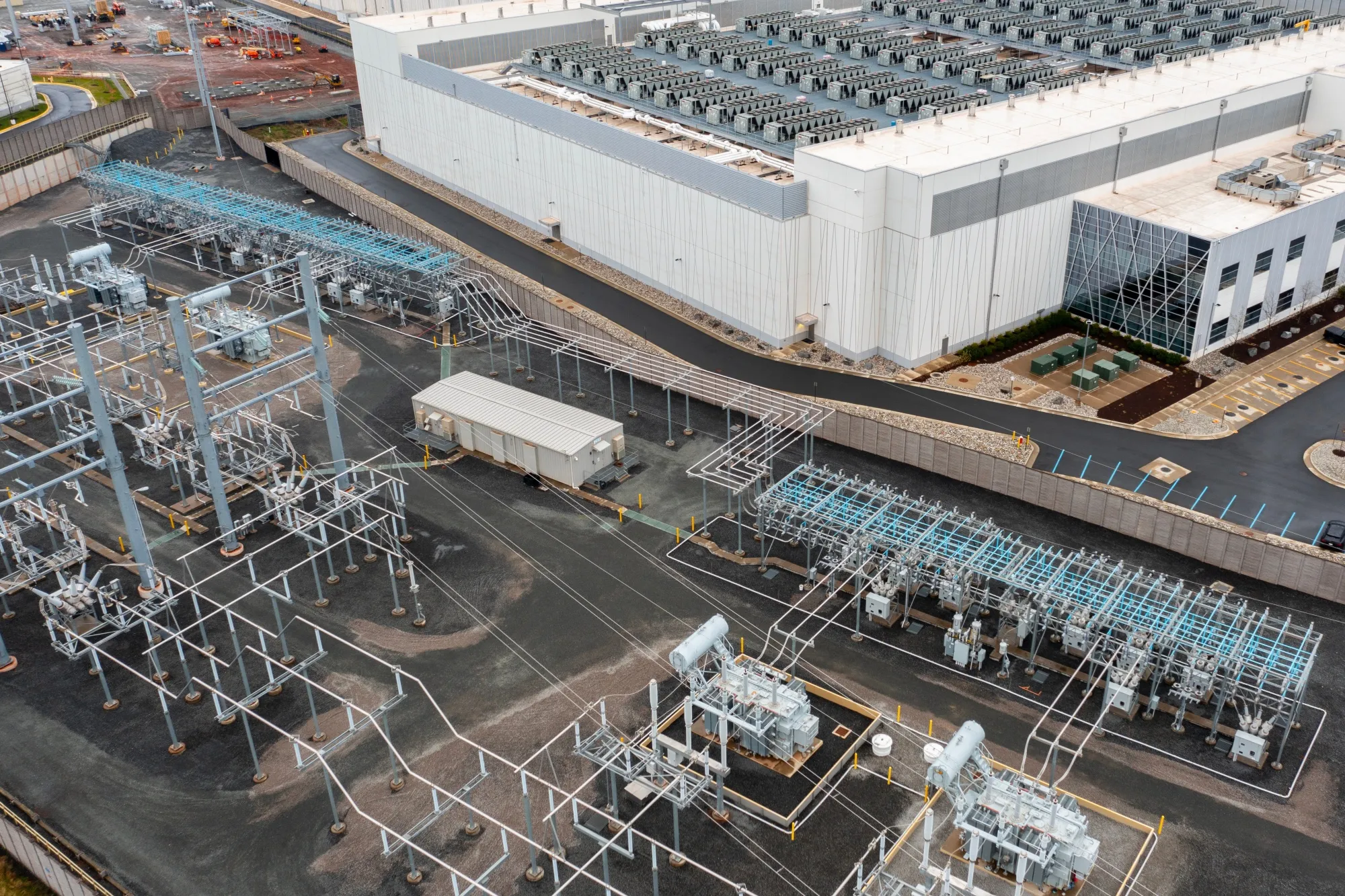
The PJM queue figure, reported in April 2026, represents requests from hyperscalers, colocation providers, and developers. To put that in context: the entire U.S. peak electricity demand is roughly 740GW. A single 1GW AI data center — roughly what a 100,000-H100 cluster draws at full tilt — requires the equivalent of a medium-sized power plant and the transmission infrastructure to support it.
Google, which signed a 5GW compute capacity deal with Anthropic in May 2026 and committed $5B+ to a Texas data center for the company, is among the most exposed. [The company's blog post says] the Texas facility targets 500MW by 2026, but regional grid constraints mean that even fully funded projects face years-long interconnection studies.
Hyperscaler Capex vs. Grid Reality
Major hyperscalers collectively spent over $90B on capex in Q1 2026 alone, much of it on AI infrastructure. [As previously reported] that spending outpaces the rate at which new generation and transmission can be brought online. The result: data centers are being built faster than the grid can connect them, leading to stranded capacity and rising costs.
Microsoft has begun co-locating small modular reactors (SMRs) at data center sites, and Amazon has signed power purchase agreements for 2.5GW of new solar and wind. But these projects take 4-6 years to reach commercial operation. The gap between capital deployment and grid readiness is now the single largest risk factor for AI scaling timelines.
The Unique Take: Silicon Is Solved, Copper Is the Constraint
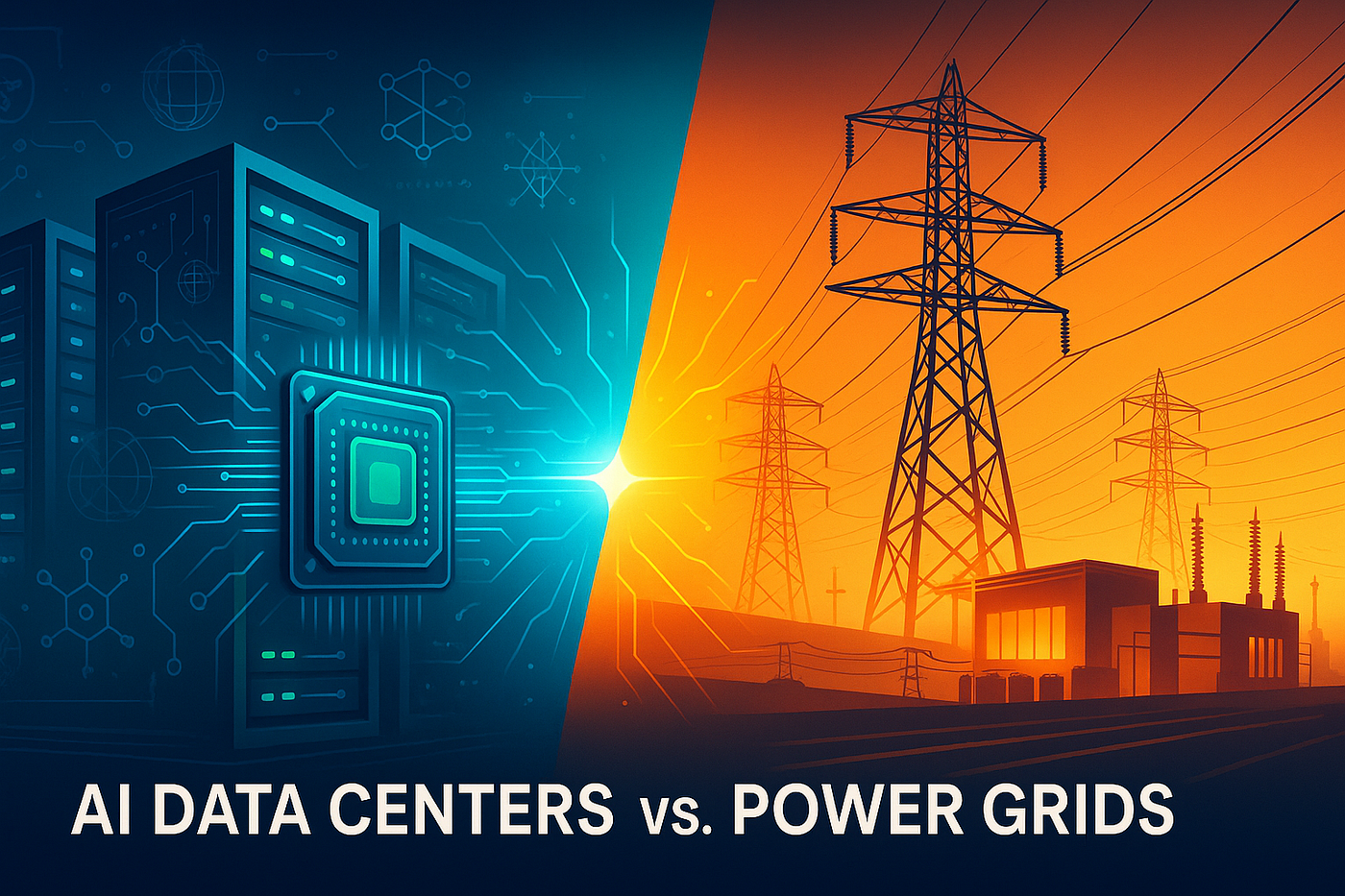
The AP wire coverage frames this as an environmental or regulatory story. The structural take is different: the AI industry has solved chip supply (Nvidia, AMD, Google TPU), networking (InfiniBand, Ethernet), and cooling (liquid, immersion). The remaining bottleneck is the 100-year-old technology of copper wires and steel towers. No amount of model optimization or inference efficiency gains can reduce the physical demand for electrons at training time.
[POWER Magazine notes] that transformer manufacturers are booked through 2029, and the skilled labor shortage for high-voltage line construction is acute. The AI buildout is now a civil engineering problem.
What to watch
Watch for PJM's Q3 2026 interconnection queue update and whether FERC intervenes on queue reform. Also track Google's Texas data center permitting milestones — if interconnection clears before 2027, it signals grid capacity is loosening.
[Updated 04 May via dcd_news]
OpenAI, a key hyperscaler customer, has reportedly missed revenue and user targets, raising internal concerns about its ability to meet data center spend commitments, particularly with the Stargate project. The company is also preparing for an IPO while reworking its Stargate plans, according to Data Center Dynamics. This financial pressure could further strain the already overloaded interconnection queue, as delays in commitments may slow grid upgrade investments.