In a significant partnership announcement, Microsoft has signed an agreement to become the primary satellite service provider for Apple's iPhone and Apple Watch. The deal, announced by Microsoft's Executive Vice President of Devices and Services, Panos Panay, via social media, will see Microsoft's satellite infrastructure integrated into future Apple products to enable emergency and off-grid communications.
What Happened
Microsoft and Apple have entered into a strategic agreement where Microsoft will provide satellite connectivity services for Apple's flagship mobile devices. While specific technical and financial terms were not disclosed, the announcement positions Microsoft as Apple's "primary" provider for this functionality. This suggests Microsoft's Azure Space platform and its partner satellite networks will be the backbone for features like Emergency SOS via satellite on future iPhones and Apple Watches.
Context
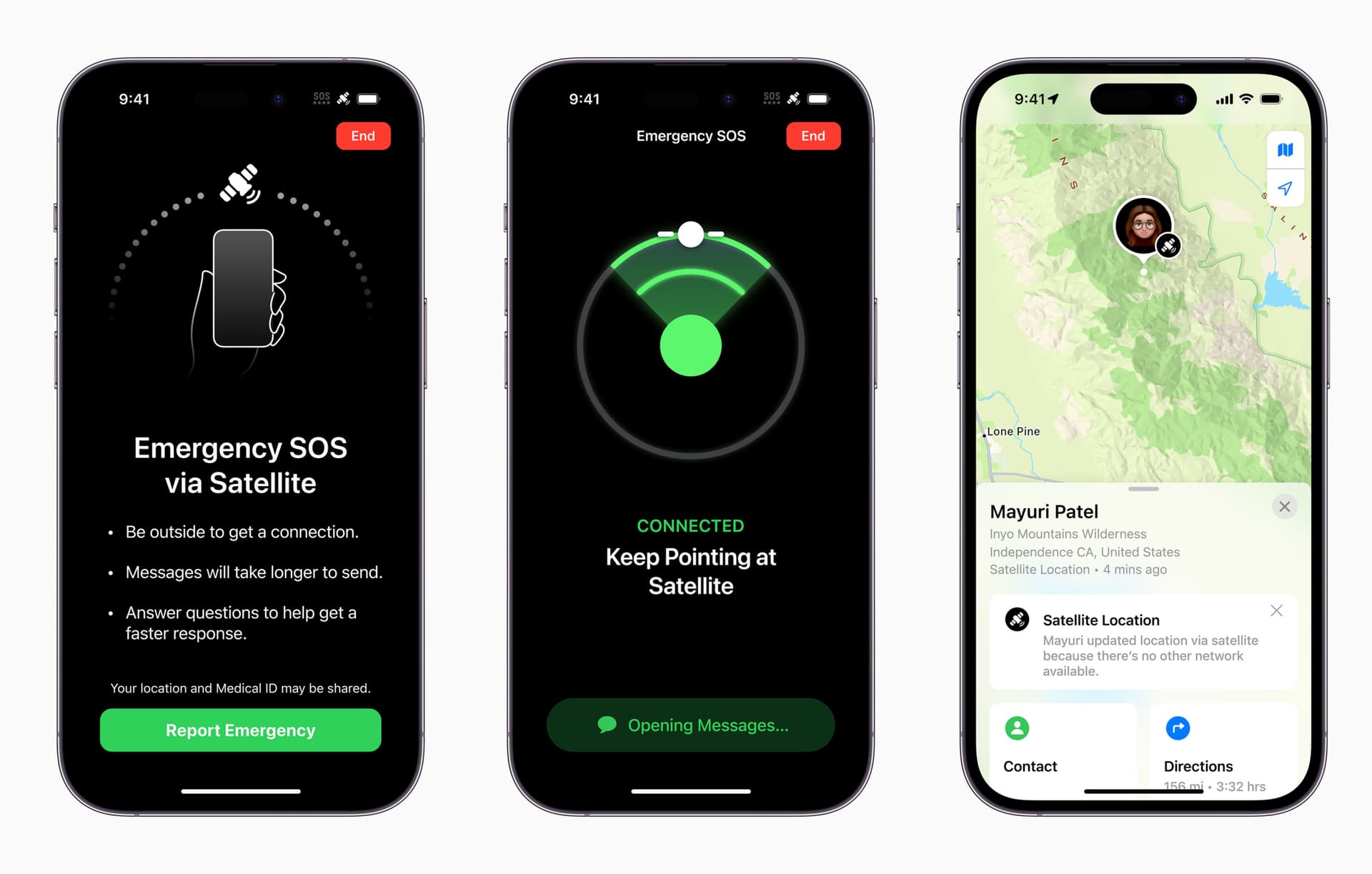
Apple first introduced Emergency SOS via satellite with the iPhone 14 in 2022, initially partnering with Globalstar. The feature allows users to send emergency messages and share location data when outside cellular and Wi-Fi coverage. Microsoft's entry into this space with Apple represents a major expansion of its Azure Space initiative, which aims to integrate cloud computing with satellite and space technology. For Apple, diversifying its satellite provider base could enhance service reliability, coverage, and potentially enable new consumer features beyond emergency services.
What This Means in Practice
For end users, this partnership likely means future iPhones and Apple Watches will connect to a Microsoft-managed satellite network for off-grid messaging and location services. The transition may be seamless, but it represents a backend infrastructure shift of a critical safety feature. For the industry, it signals Microsoft's serious commitment to competing in the satellite-to-device connectivity market, which includes players like SpaceX (Starlink Direct to Cell), AST SpaceMobile, and Amazon's Project Kuiper.
gentic.news Analysis
This partnership is a strategic masterstroke for Microsoft's Azure Space division. While Azure Space has secured government and enterprise contracts, the Apple deal provides an immediate, massive-scale consumer application. It validates Microsoft's cloud-ground-space integration strategy and directly challenges Amazon's Project Kuiper, which has also targeted integration with consumer devices and cloud services. The move also subtly shifts the dynamic between Microsoft and Apple from pure competitors in operating systems to partners in critical infrastructure, a relationship reminiscent of Microsoft's long-standing development of Office for macOS.
Financially, this is a recurring revenue win for Microsoft's Intelligent Cloud segment. More importantly, it embeds Azure as the processing layer for a constant stream of satellite-derived data from hundreds of millions of devices. This data could fuel future AI models for location intelligence, disaster response, and connectivity mapping—areas where Microsoft has invested heavily. The deal also pressures existing satellite-to-phone specialists like Globalstar and Iridium, who may find themselves competing against a cloud giant with deeper integration into the device ecosystem.
Frequently Asked Questions
Which Apple devices will use Microsoft's satellite service?
The announcement specifies iPhone and Apple Watch. It will likely debut in new models released after the agreement is technically implemented, though existing devices with satellite capabilities could potentially be updated depending on hardware compatibility.
Will this replace Apple's current satellite partner, Globalstar?
The announcement states Microsoft will become the "primary" provider, which suggests it will take the lead role. Apple may maintain a multi-vendor strategy for redundancy, but Microsoft's services are expected to form the core infrastructure.
What does this mean for the Emergency SOS via satellite feature?
For users, the experience should remain functionally identical: activating the feature when out of cellular range to message emergency services. The change is in the backend satellite network and cloud processing, which may improve reliability, speed, or future feature potential.
How does Microsoft's satellite network work?
Microsoft Azure Space operates by partnering with satellite constellation operators (like SES, Viasat, and others) and providing the cloud-based ground station network and data processing services. It acts as an aggregator and integrator, not necessarily a satellite owner-operator like SpaceX.