A looming global shortage of DRAM (Dynamic Random-Access Memory) is poised to deliver a significant shock to consumer electronics, with Apple's iPhone lineup potentially facing price increases of up to $250 in the near future. This analysis, highlighted by industry observer @kimmonismus, points to a perfect storm of constrained supply and skyrocketing demand—a situation exacerbated by the artificial intelligence revolution that is consuming memory chips at an unprecedented rate.
The Core of the Crisis: Supply, Demand, and AI
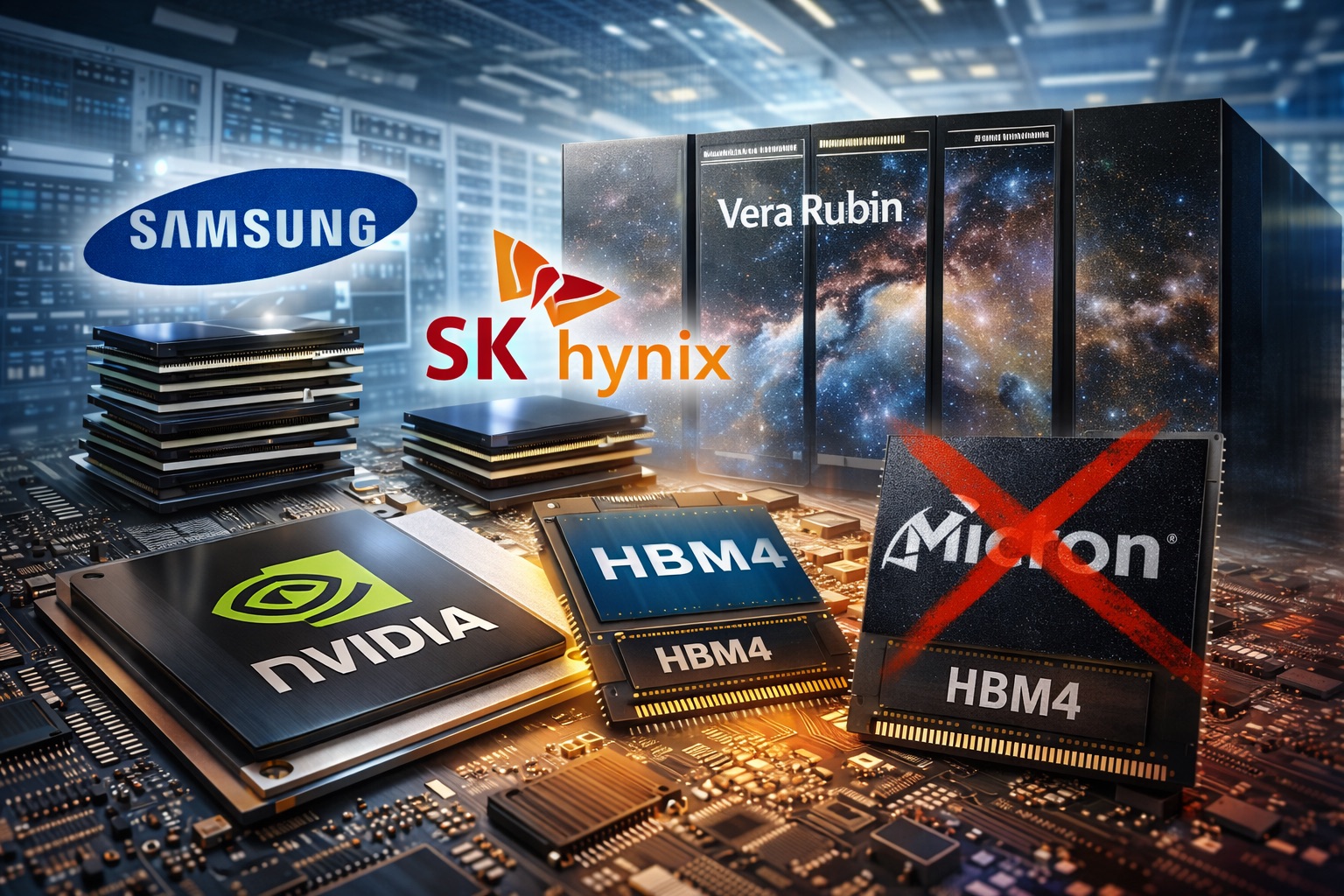
At its heart, the issue is a classic economic imbalance. The production of advanced DRAM chips, a critical component in every modern smartphone, is concentrated among a handful of major manufacturers like Samsung, SK Hynix, and Micron. Recent industry reports indicate that these suppliers are struggling to keep pace with demand. This isn't just about making more phones; the insatiable requirements of AI servers and data centers are diverting high-bandwidth memory (HBM) production capacity. HBM, a specialized, stacked form of DRAM essential for AI accelerators like NVIDIA's GPUs, is manufactured on the same advanced production lines as the LPDDR5X RAM used in flagship smartphones. As chipmakers pivot to fulfill lucrative AI contracts, the output for mobile RAM inevitably tightens.
This supply constraint coincides with a structural increase in the memory needs of devices themselves. Each new generation of iPhone has incorporated more RAM to power sophisticated features, from advanced computational photography to on-device AI processing for Siri and Live Text. The upcoming iOS 18 is rumored to bring a wave of generative AI features to the iPhone, which would further increase baseline memory requirements. When limited supply meets growing per-device demand, prices rise.
Apple's Calculated Response: Protecting the Margin
The most striking assertion from the analysis is Apple's reported stance: "Apple won’t cut on their margin." This single sentence reveals the likely corporate strategy. Apple is renowned for maintaining some of the healthiest profit margins in the technology sector, often between 40-50% on its hardware. Historically, the company has absorbed minor component cost fluctuations. However, a potential $250 increase in the Bill of Materials (BOM) due to memory represents a seismic shift—one that Apple appears unwilling to absorb.
Passing this cost directly to consumers would be a major departure from recent strategy. While iPhone Pro models have crept upward in price, the base models have remained relatively stable, acting as an anchor for the broader ecosystem. A sudden, substantial hike could dampen demand, but Apple may calculate that its loyal customer base and the lack of comparable alternatives in the high-end market will provide enough pricing power.
Broader Implications for the Tech Industry
The iPhone is a bellwether. If Apple, with its unparalleled purchasing power and long-term supply contracts, faces price pressure this severe, the entire smartphone industry will feel the pinch. Android manufacturers, who operate on significantly thinner margins, will be caught in an even tighter bind. They may be forced to raise prices, reduce the amount of RAM in mid-tier devices, or further cut into already slim profits.
This scenario also highlights the hidden infrastructure cost of the AI boom. While users marvel at ChatGPT and image generators, the physical hardware required—the GPUs and their memory—is creating ripple effects across consumer markets. The competition for silicon real estate is now a zero-sum game between data centers and pockets.
What This Means for Consumers and the Market
For consumers, the era of predictable, incremental smartphone upgrades may be facing disruption. The prospect of paying significantly more for a new iPhone, or settling for a device with less memory, could extend replacement cycles. This would have a knock-on effect on the vibrant secondary market and trade-in programs that fuel new sales.
The situation also places greater emphasis on software optimization. Companies like Apple, which control both the hardware and operating system, may accelerate efforts to make iOS more memory-efficient to mitigate hardware requirements. Conversely, it could widen the performance gap between premium and budget devices, as cheaper phones are forced to skimp on RAM.
Ultimately, the predicted price hike is more than a simple cost adjustment; it's a tangible signal of how the strategic priorities of the tech industry—currently laser-focused on AI—are beginning to reshape the products we use every day. The memory inside your next phone isn't just for apps anymore; it's a battleground in the larger war for artificial intelligence supremacy.
Source: Analysis based on reporting from @kimmonismus on X, referencing industry trends in DRAM supply and pricing.