A significant supply chain constraint for artificial intelligence infrastructure is emerging, centered on a specialized and essential component: high-bandwidth memory (HBM). Reports indicate that AI data center operators are actively hoarding HBM chips, which are required for every AI server to handle the massive data throughput of large language model training and inference. The global supply for this critical hardware is controlled by just three manufacturers: Samsung, SK Hynix, and Micron Technology.
What Happened
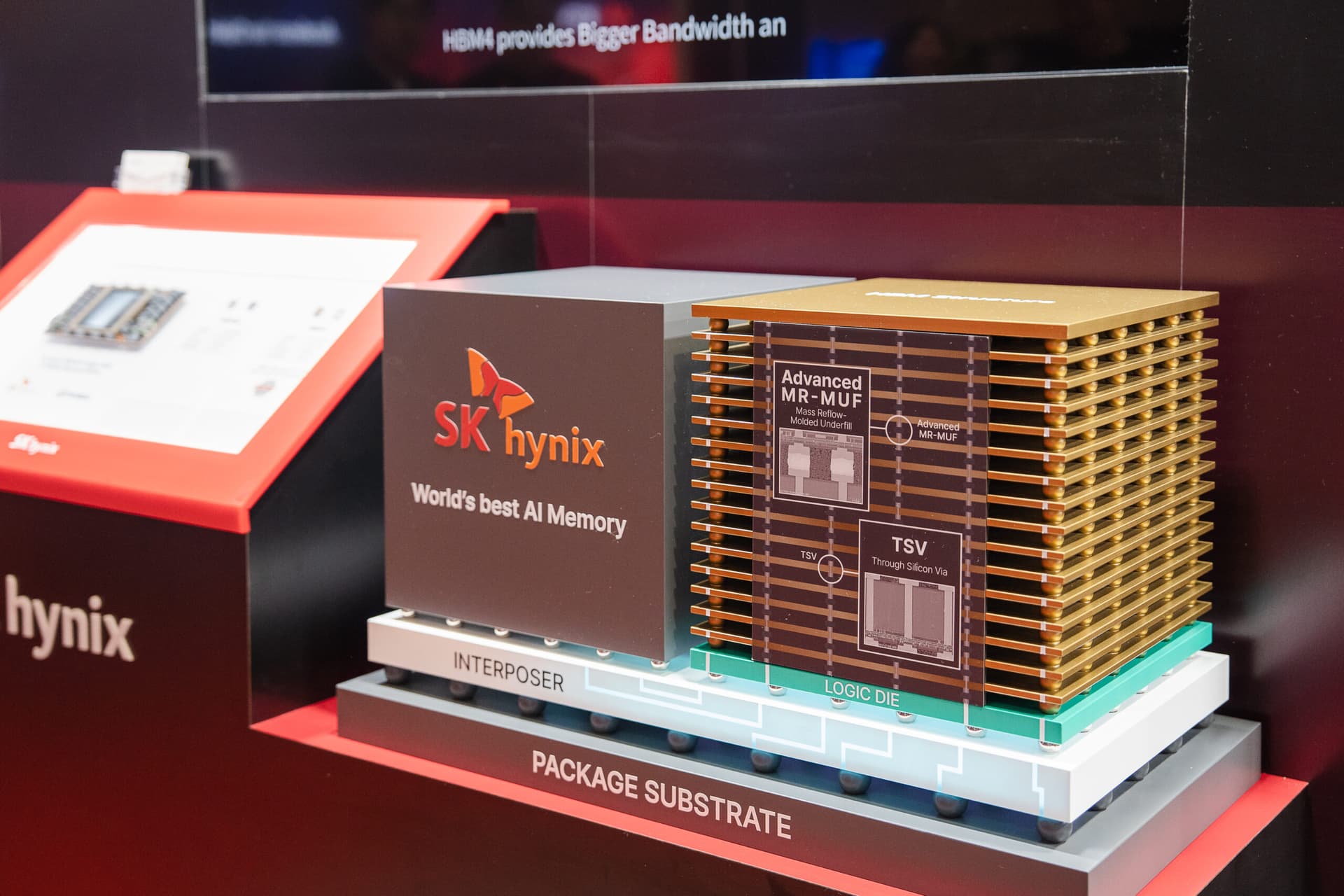
The core issue is a classic supply-demand imbalance, but with a high-tech twist. The explosive demand for AI compute, driven by the training of models like GPT-4, Claude 3, and Gemini, has created an insatiable appetite for the most advanced memory technology. HBM stacks memory dies vertically and connects them using through-silicon vias (TSVs), offering significantly higher bandwidth (over 1 TB/s in the latest HBM3E generation) compared to traditional GDDR memory. This bandwidth is non-negotiable for feeding data-hungry AI accelerators like NVIDIA's H100 and B200 GPUs, AMD's MI300X, and Google's TPUs.
Data center operators, including hyperscalers like Microsoft Azure, Google Cloud, and AWS, as well as large private AI labs, are securing HBM supply through long-term purchase agreements and advance payments. This behavior, described as "hoarding," is a rational response to a feared shortage but exacerbates the scarcity for smaller players and new entrants.
The Supply Chain Reality
The production of HBM is a complex, capital-intensive process, creating a high barrier to entry. The market is an oligopoly:
- Samsung Electronics: The world's largest memory chipmaker, currently in mass production of its 8-layer and 12-layer HBM3E. The company has stated its HBM capacity for 2024 is already sold out and is planning a significant production ramp.
- SK Hynix: Currently considered the leader in HBM market share, it is the exclusive supplier of HBM3 for NVIDIA's H100 GPU. The company is also advancing its HBM3E and next-generation HBM4 technology.
- Micron Technology: The third major player, which began volume shipments of its 8-layer HBM3E in early 2024 and is sampling 12-layer versions.
This concentration means any production hiccup, yield issue, or geopolitical tension affecting these South Korean and American firms directly translates into global AI infrastructure delays.
The Technical and Business Impact
The HBM shortage has direct consequences:
- AI Server Delivery Delays: The lead time for advanced AI servers has stretched from months to, in some cases, over a year. The GPU is often not the bottleneck; the HBM is.
- Increased Costs: Scarce supply drives up prices. The cost of HBM can constitute a significant portion of an AI accelerator's total bill of materials, and these costs are passed down the chain.
- Slowed AI Research & Deployment: Startups and academic labs without pre-existing relationships or massive capital find it increasingly difficult to procure the hardware needed for state-of-the-art model training.
- Strategic Stockpiling: The reported "hoarding" is a defensive strategy by large players to ensure their own AI roadmaps are not derailed, creating a self-perpetuating cycle of scarcity.
gentic.news Analysis
This HBM shortage is not an isolated incident but a predictable inflection point in the AI hardware arms race we have been tracking. It directly connects to our previous coverage of NVIDIA's staggering data center revenue growth and the specific architectural advantages of its Blackwell platform, which relies heavily on HBM3E. The bottleneck validates concerns raised by industry analysts that advanced packaging and memory, not transistor density, are becoming the primary constraints for AI progress.
The dynamics here mirror past shortages in the semiconductor industry but with higher stakes. The three key suppliers are not just competitors; their technological roadmaps define the pace of AI advancement. SK Hynix's early lead with HBM3 gave its partner NVIDIA a tangible advantage. Samsung's aggressive catch-up and Micron's innovations in bandwidth density are critical to watch, as they could shift the supply landscape. Furthermore, this shortage intensifies the geopolitical dimension of AI. With the major producers located in South Korea and the US, the global AI infrastructure supply chain remains vulnerable to regional instability, reinforcing the push for geographic diversification that companies like TSMC are undertaking with new fabs in Arizona and Japan.
Looking forward, this constraint will accelerate two trends: First, increased investment in alternative architectures that may be less HBM-dependent, such as neuromorphic computing or optical interconnects. Second, it will force software-level innovations in model compression, sparsity, and memory management to do more with less bandwidth. The companies that can optimize their AI workloads for memory efficiency will gain a temporary competitive edge while the hardware supply catches up.
Frequently Asked Questions
What is High-Bandwidth Memory (HBM) and why is it important for AI?
HBM is a type of memory where DRAM chips are stacked vertically and connected using thousands of tiny pathways called through-silicon vias (TSVs). This 3D design allows for vastly higher data transfer rates between the memory and the processor (like a GPU) compared to traditional memory modules. AI training involves processing enormous datasets and model parameters, requiring constant, ultra-fast data movement. HBM's high bandwidth is essential to prevent the AI accelerator from sitting idle while waiting for data, making it a critical bottleneck for performance.
Who are the main manufacturers of HBM?
The production of advanced HBM is currently limited to three major companies: Samsung Electronics (South Korea), SK Hynix (South Korea), and Micron Technology (USA). This concentrated supply chain is a primary reason for the current shortage, as they are the only firms with the advanced packaging technology and capacity to manufacture HBM at scale.
How does the HBM shortage affect the cost and availability of AI services?
The shortage increases the cost of building AI servers, which can lead to higher prices for cloud-based AI training and inference services from providers like AWS, Google Cloud, and Microsoft Azure. It also causes long lead times for server deliveries, slowing down the ability of companies to deploy new AI models or scale existing ones. Smaller AI startups may be priced out or face prohibitive wait times, potentially consolidating advantage with the large, well-capitalized hyperscalers.
Are there any solutions or alternatives to HBM on the horizon?
In the short term, manufacturers are ramping up production of HBM3E and developing HBM4. In the medium term, alternatives are being explored, such as GDDR7 (next-gen graphics memory with higher bandwidth), and novel architectures like Compute Express Link (CXL) memory pooling. However, none currently match the bandwidth-per-watt efficiency of HBM for the most demanding AI workloads. The most immediate "solution" is improved software and model design to reduce memory bandwidth requirements through techniques like quantization, pruning, and better caching algorithms.