Inflection AI has released MAI-Image-2-Efficient, a new version of its flagship image generation model optimized for speed and cost. According to CEO Mustafa Suleyman, the model delivers "production-ready quality" while being 22% faster and 4x more efficient than the previous MAI-Image-2. The model is priced "almost the same" as its predecessor, suggesting a significant reduction in cost-per-inference for users.
What's New
The announcement, made via a social media post, positions MAI-Image-2-Efficient as a direct successor focused on operational economics. The key claims are:
- 22% Faster Inference: Reduced latency for generating images.
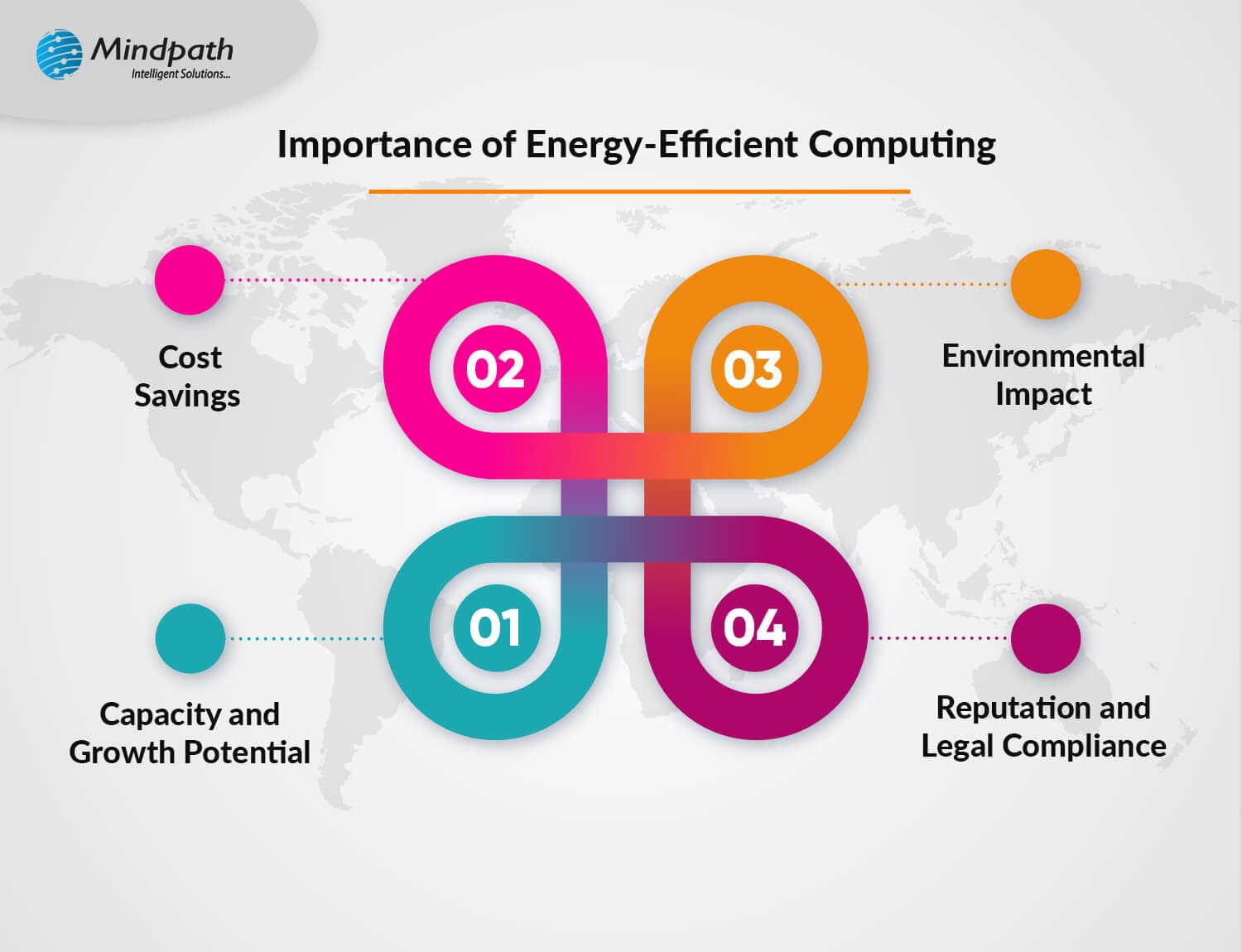
- 4x Greater Efficiency: A substantial improvement in computational efficiency, likely measured in terms of FLOPs or energy consumption per image.
- Production-Ready Quality: Implies the model maintains the visual fidelity and capability of MAI-Image-2, which itself was positioned as a high-quality competitor to models like Midjourney and DALL-E 3.
- Competitive Pricing: Priced "almost the same" as MAI-Image-2, the efficiency gains translate directly to lower operating costs for Inflection and potentially better value for API customers.
Technical & Market Context
This launch follows Inflection's pattern of iterative, performance-focused model releases. The original MAI-Image-2 launched in late 2025 as part of Inflection's push to expand beyond its conversational AI persona, Pi, and establish a foothold in the competitive image generation market.
The move to prioritize efficiency aligns with a broader industry trend. As generative AI moves from research to widespread deployment, inference cost and latency have become critical bottlenecks. Competitors like OpenAI, Anthropic, and Stability AI have all released "smaller" or "turbo" variants of their models (e.g., GPT-4 Turbo, Claude 3 Haiku) aimed at similar trade-offs between capability and cost.
By launching a more efficient model at a stable price point, Inflection is likely targeting developers and enterprises building high-volume applications where cost predictability and throughput are paramount.
What to Watch

The announcement lacks published benchmark scores or direct quality comparisons against MAI-Image-2 on standard datasets (e.g., HPSv2, DrawBench). The claim of "production-ready quality" will need validation from the developer community. Key questions remain:
- What specific architectural changes or training techniques drove the 4x efficiency gain?
- Are there any subtle trade-offs in image composition, prompt adherence, or stylistic range?
- How does the total cost of ownership (TCO) compare when factoring in the efficiency gains?
Inflection's ability to rapidly iterate on model efficiency could strengthen its position as a pragmatic alternative for businesses, distinct from pure research-focused players.
gentic.news Analysis
This release is a textbook competitive move in the now-mature foundation model market. It's no longer enough to have the most capable model; you must also have the most cost-effective one for scale. Inflection's focus here is shrewd. As we covered in our analysis of the MAI-Image-2 launch in 2025, the company has been strategically building a multi-modal suite to compete beyond chatbots. This efficiency update directly addresses the primary commercial barrier to adoption for any image model: inference cost.
The timing is also notable. With Mustafa Suleyman now firmly at the helm following his move from Google DeepMind, Inflection's product cadence appears to be accelerating. The emphasis on operational metrics (speed, efficiency, price) over pure capability metrics (benchmark scores) signals a pivot towards a developer-first, platform strategy. This aligns with the broader industry trend we identified in our trend report, The Efficiency War of 2026, where model providers are competing on TCO as much as on quality.
Furthermore, this creates an interesting competitive wedge against OpenAI's DALL-E 3 and Midjourney. While those models are often cited as quality leaders, their API costs and latency can be prohibitive for high-volume use cases. If MAI-Image-2-Efficient can deliver comparable quality at a fraction of the operational cost, it could capture significant market share in applied verticals like e-commerce, marketing, and game asset generation.
Frequently Asked Questions
What is MAI-Image-2-Efficient?
MAI-Image-2-Efficient is an optimized version of Inflection AI's MAI-Image-2 text-to-image generation model. It is designed to generate images of similar quality to its predecessor but is 22% faster and claims to be 4 times more computationally efficient.
How much does MAI-Image-2-Efficient cost?
Inflection has stated the model is priced "almost the same" as the previous MAI-Image-2. The significant efficiency gains likely mean the cost to Inflection to run the model is lower, but the API pricing to end-users remains stable, effectively offering better value.
How does it compare to DALL-E 3 or Midjourney?
Based on the announcement, it positions itself as a production-ready, cost-optimized alternative. While direct quality comparisons aren't provided, the value proposition is superior speed and efficiency for comparable quality, which could be decisive for applications requiring high-volume generation.
What does "4x more efficient" mean?
While not explicitly defined, in AI model context, "efficiency" typically refers to the computational resources required—such as the number of floating-point operations (FLOPs) or the energy consumption—needed to generate a single image. A 4x improvement means it theoretically uses a quarter of the resources for the same task.