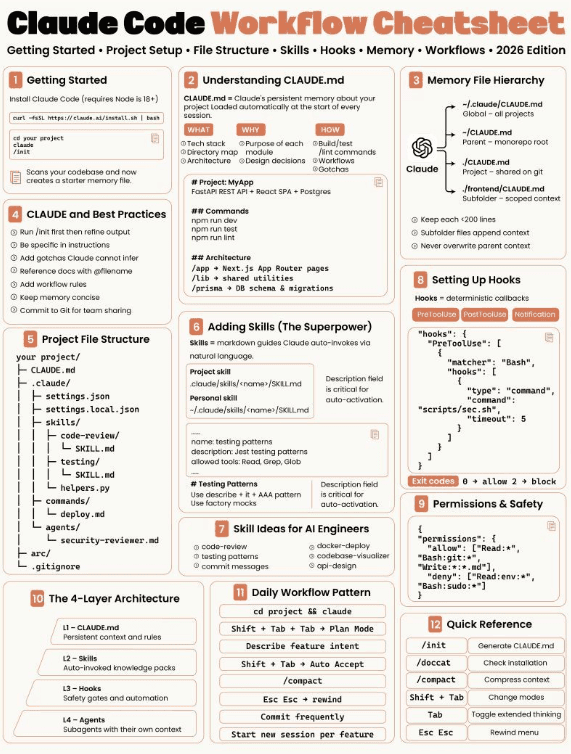
Recent analysis from the AI development community reveals that Anthropic's Claude Code represents far more than just another coding assistant. According to insights shared by @_vmlops on X, this platform has evolved into what can only be described as a "full AI engineering system" rather than merely a prompt-based tool. This distinction marks a significant shift in how developers interact with AI for software creation and maintenance.
The Fundamental Shift in AI Development Tools
Traditional AI coding assistants have typically operated as prompt-response systems where developers ask for specific code snippets or debugging help. Claude Code breaks from this pattern by offering an integrated environment that understands project context, maintains consistency across files, and provides intelligent suggestions throughout the development lifecycle. This systemic approach means the AI doesn't just respond to isolated requests but participates in the entire engineering process.
The platform's capabilities extend beyond simple code generation to include architectural suggestions, dependency management, testing frameworks, and deployment considerations. This holistic understanding of software development distinguishes Claude Code from previous generations of AI coding tools that treated each prompt as an independent request without broader project awareness.
Integrated Development Environment Capabilities
What makes Claude Code particularly noteworthy is its ability to function within existing development workflows while adding intelligent automation layers. Unlike basic prompt tools that require constant manual intervention, Claude Code can analyze entire codebases, identify patterns, suggest optimizations, and even generate comprehensive documentation. This represents a move toward AI systems that can understand software at the architectural level rather than just the syntactic level.
The system appears to excel at understanding complex relationships between different components of a software project, enabling it to make suggestions that consider downstream implications and upstream dependencies. This contextual awareness is what transforms it from a simple tool into an engineering partner.
Implications for Software Development Practices
The emergence of Claude Code as a full engineering system suggests several important shifts in software development:
Reduced Context Switching: Developers can remain within a single intelligent environment rather than constantly switching between different tools for coding, debugging, testing, and documentation.
Enhanced Code Quality: With AI that understands architectural patterns and best practices, codebases may become more consistent, maintainable, and secure from the outset.
Accelerated Development Cycles: The comprehensive nature of the system could significantly reduce the time between concept and deployment by automating many routine engineering tasks.
Democratization of Complex Development: Junior developers and those transitioning between technologies may benefit from having an AI system that understands both the micro (syntax) and macro (architecture) aspects of software engineering.
The Competitive Landscape of AI Engineering Systems
Claude Code's positioning as a complete engineering system places it in competition not just with other AI coding assistants but with traditional integrated development environments and DevOps platforms. This suggests a convergence of AI capabilities with development infrastructure that could reshape the entire software tooling ecosystem.
The distinction highlighted by @_vmlops indicates that Anthropic is targeting a different market segment than companies offering basic prompt-based coding help. By framing Claude Code as an engineering system, they're appealing to organizations looking for comprehensive solutions rather than point tools.
Challenges and Considerations
As with any advanced AI system, Claude Code's evolution into a full engineering platform raises important questions about:
- Intellectual Property: How does the system handle proprietary algorithms and business logic?
- Security: What safeguards exist to prevent the generation of vulnerable code?
- Dependency Management: How does the AI handle updates to libraries and frameworks?
- Team Collaboration: How does the system support multiple developers working on the same project?
These considerations will be crucial as organizations evaluate whether to adopt such comprehensive AI engineering systems for their development workflows.
The Future of AI-Assisted Development
The characterization of Claude Code as a "full AI engineering system" rather than just a prompt tool suggests we're entering a new phase of AI integration in software development. Future systems may increasingly blur the lines between human and AI contributions to codebases, with AI taking responsibility for more architectural decisions and implementation details.
This evolution could lead to development environments where human engineers focus primarily on high-level design, business logic, and creative problem-solving while AI handles implementation details, optimization, and maintenance tasks. Such a division of labor could dramatically increase development velocity while potentially raising new questions about software ownership and accountability.
Source: Analysis based on insights from @_vmlops on X regarding Claude Code's positioning as a comprehensive AI engineering system.