Chinese tech firms raised $20 billion in Hong Kong equity and debt offerings. The capital targets AI and semiconductor expansion amid US chip export controls.
Key facts
- $20 billion raised by Chinese tech firms in Hong Kong.
- Funds target AI and semiconductor expansion.
- Apple suppliers and OpenAI rivals included in fundraise.
- US chip export controls drove domestic investment.
- Hong Kong remains primary offshore capital market.
Chinese tech firms, from Apple suppliers to OpenAI rivals, raised $20 billion in Hong Kong equity and debt offerings, according to Reuters. The $20 billion figure includes follow-on offerings and convertible bonds, not IPOs, signaling established companies doubling down on domestic AI infrastructure rather than new listings.
Why Hong Kong, Not Shanghai

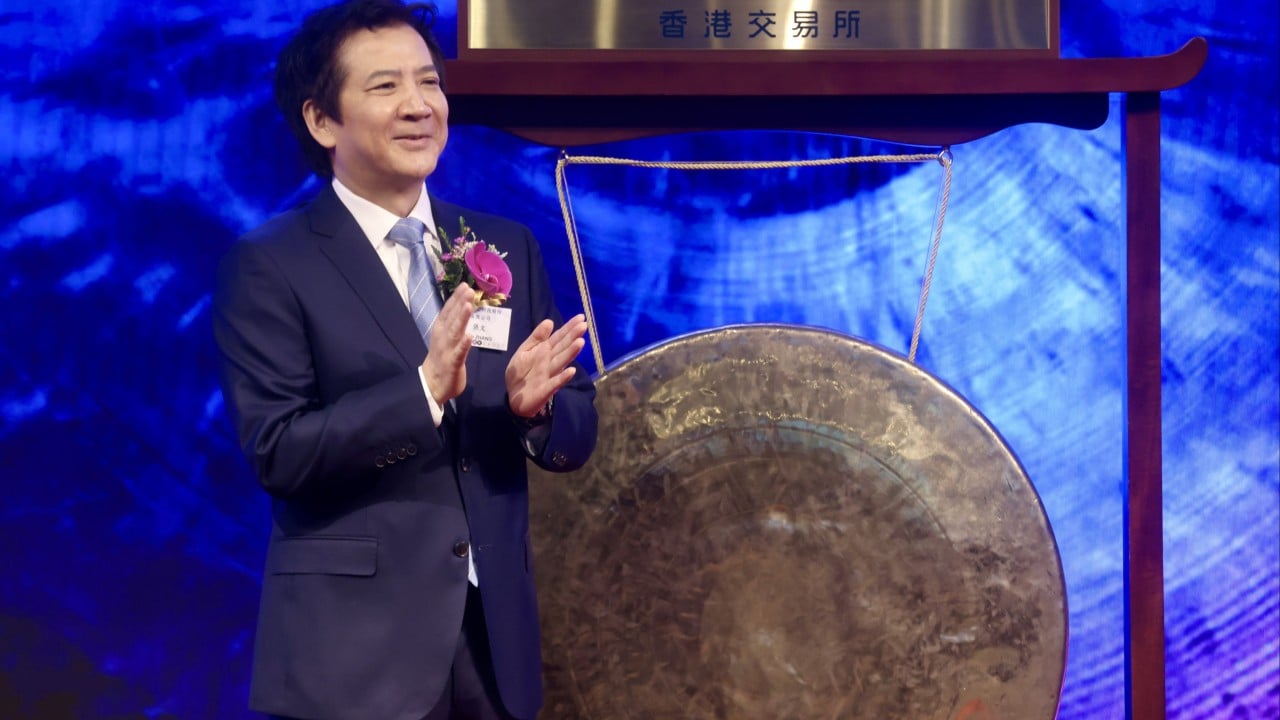
Hong Kong remains the primary offshore capital market for Chinese tech, offering dollar-denominated access and international investor liquidity that mainland exchanges lack. The US export controls on advanced AI chips — tightened again in early 2026 — have accelerated domestic investment in AI infrastructure. Chinese firms are building out their own chip supply chains and data centers, with the $20 billion haul funding everything from GPU clusters to foundry expansions.
The $20B Breakdown
The fundraise spans Apple suppliers like Lens Technology and AAC Technologies, which are diversifying into AI hardware components, and AI model developers competing with OpenAI and Anthropic. Reuters reports the capital will primarily fund AI and semiconductor R&D, though specific allocations remain undisclosed. The US-China tech decoupling is forcing Chinese firms to self-fund rather than rely on US capital markets or Western chip imports.
Competitive Implications

This $20B injection directly funds rivals to OpenAI, Google, and Anthropic in the Chinese market. While Western AI labs raised over $100B combined in 2025-2026, Chinese firms now have dedicated capital to build domestic alternatives. The US export controls may have inadvertently created a parallel Chinese AI ecosystem with its own supply chain, though the technology gap remains significant.
What to watch
Watch for follow-on offerings from SMIC and other Chinese foundries in Q4 2026, and whether the $20B accelerates China's domestic AI chip output to compete with Nvidia's H100-class GPUs within 18 months.
Source: news.google.com