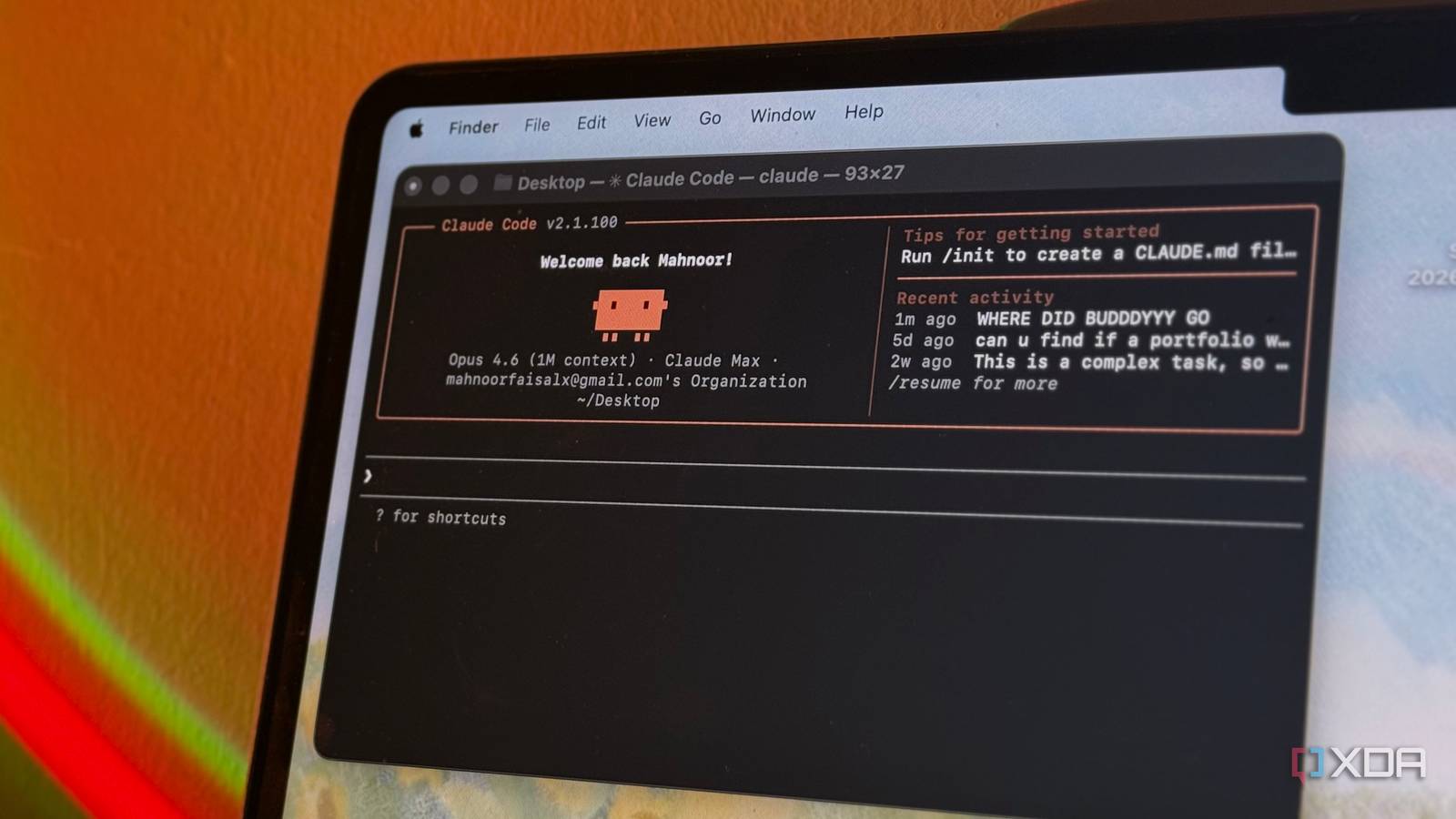
Anthropic has quietly rolled out a game-changing feature for its Claude Code programming assistant: auto-memory capabilities. This development, first highlighted by AI researcher Omar Sar on Twitter, represents a significant leap forward in how AI coding assistants interact with developers and their projects.
What Auto-Memory Actually Means
Traditional AI coding assistants, including previous versions of Claude Code, operate with limited context windows. Each interaction is essentially a fresh conversation, requiring developers to repeatedly provide context about their project structure, coding patterns, and specific requirements. This creates friction in the development workflow and limits the assistant's ability to provide truly personalized, project-aware suggestions.
Auto-memory changes this paradigm fundamentally. The feature allows Claude Code to:
- Retain project context across sessions without manual prompting
- Remember coding patterns and preferences specific to each developer
- Recall previous conversations about the same codebase
- Build understanding of project architecture over time
- Maintain awareness of technical debt and ongoing refactoring efforts
Technical Implementation and Privacy Considerations
While Anthropic hasn't released detailed technical specifications, the auto-memory feature likely builds on their Constitutional AI approach with careful attention to privacy and security. The memory system probably operates through:
- Local project indexing that creates a persistent representation of the codebase
- Contextual embeddings that capture semantic understanding of project structure
- Selective memory retention that prioritizes relevant information while discarding transient details
- Privacy-preserving architecture that keeps sensitive code and data secure
This approach contrasts with simple file scanning or brute-force context window expansion. Instead, Claude Code appears to be developing a genuine understanding of project context that persists and evolves over time.
The Developer Experience Transformation
The implications for developer productivity are substantial. Consider these workflow improvements:
Reduced Context Switching
Developers no longer need to constantly remind their AI assistant about project specifics. When returning to a complex codebase after days or weeks, Claude Code will already understand the architecture, recent changes, and ongoing challenges.
Personalized Code Generation
Auto-memory enables Claude Code to learn individual coding styles and preferences. The assistant can suggest code that matches a developer's established patterns rather than generic solutions.
Enhanced Debugging Capabilities
With memory of previous issues and their resolutions, Claude Code can provide more insightful debugging assistance. The assistant can recognize recurring patterns and suggest solutions that have worked in similar contexts before.
Better Architectural Guidance
As Claude Code builds understanding of the entire project over time, it can provide more coherent architectural advice that considers the system as a whole rather than isolated components.
Competitive Landscape Implications
This development places Anthropic ahead of competitors in a crucial aspect of AI-assisted development. While GitHub Copilot and other tools have made incremental improvements to context handling, none have implemented systematic auto-memory at this scale.
The feature addresses what many developers consider the biggest limitation of current AI coding tools: their inability to maintain continuity and build genuine understanding of complex projects over time.
Potential Challenges and Limitations
Despite its promise, auto-memory introduces several considerations:
Privacy and Security
Developers working with proprietary or sensitive codebases will need assurance that their intellectual property remains protected. Anthropic will need to be transparent about how memory is stored and processed.
Memory Management
How does Claude Code decide what to remember and what to forget? Effective memory management will be crucial to prevent the system from becoming cluttered with irrelevant information.
Performance Impact
Maintaining persistent memory across large codebases could introduce performance considerations, particularly for resource-constrained development environments.
Integration Complexity
Existing development workflows and tools may need adaptation to fully leverage auto-memory capabilities.
The Future of AI-Assisted Development
Claude Code's auto-memory feature represents more than just a technical improvement—it signals a shift toward AI assistants that develop genuine understanding of their users' work. This could lead to:
- Truly collaborative AI partners that understand project history and context
- Personalized development environments that adapt to individual working styles
- Reduced onboarding time for new team members through AI-mediated knowledge transfer
- Enhanced code quality through consistent application of project-specific patterns and standards
Conclusion
Anthropic's introduction of auto-memory in Claude Code addresses one of the most persistent frustrations developers have with AI coding assistants. By enabling persistent context and genuine project understanding, this feature moves beyond simple code completion toward true collaborative partnership.
As developers begin to experience the benefits of an AI assistant that remembers their project history, preferences, and patterns, expectations for all AI development tools will likely rise. This innovation could accelerate the transition from AI as a tool to AI as a genuine collaborator in software development.
The feature is currently available in Claude Code, and early adopters are already reporting significant improvements in their development workflow efficiency and code quality.
Source: Initial report via Twitter/X from AI researcher Omar Sar (@omarsar0)