The Innovation — What the Source Reports
Coresight Research, a leading advisory and research firm specializing in retail and technology, has released a new report titled "Supply Chain Insights for Food, Drug and Mass Retail: Technology, Resilience and the Path to Stronger Margins." While the full report details are behind a paywall, the title and source clearly indicate its core thesis: that targeted technology adoption is a critical lever for building resilient supply chains and, ultimately, driving stronger profitability in the food, drugstore, and mass merchandise retail sectors.
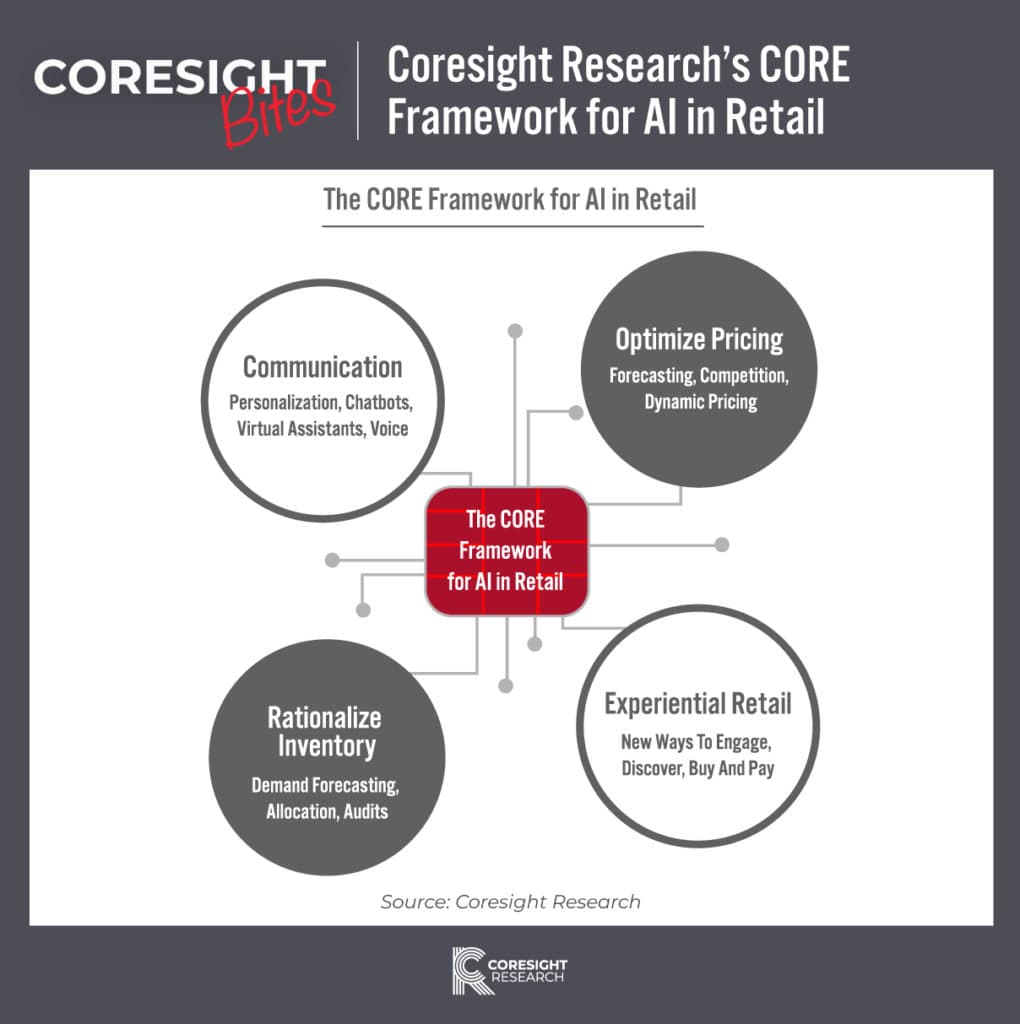
This type of analysis is Coresight's stock-in-trade. The firm consistently tracks how emerging technologies—from AI and machine learning to IoT and blockchain—are being operationalized to solve retail's most persistent challenges: inventory visibility, demand forecasting, logistics optimization, and cost management.
Why This Matters for Retail & Luxury
For luxury and premium retail leaders, the themes of this report are directly applicable, albeit with a different set of operational imperatives. While "food, drug, and mass" (FDM) retail focuses on high-volume, low-margin efficiency, luxury supply chains are built on precision, provenance, and premium customer promise. However, the core goal of using technology to build resilience and protect margins is universal.
- Resilience in a Fragile Ecosystem: Luxury supply chains are often more complex and globally dispersed than mass retail, involving rare materials, artisan labor, and multi-tiered manufacturing. Technology that provides end-to-end visibility—tracking a specific leather hide from source to atelier to store—is not just an efficiency play; it's a brand integrity and sustainability necessity.
- Margin Protection Through Precision: For luxury, margin erosion often comes from overproduction, stockouts of key items, and costly expedited logistics for last-minute requests. AI-driven demand forecasting and inventory optimization are just as critical for a fashion house planning a limited collection as for a grocer forecasting cereal sales. The technology prevents capital from being tied up in unsold inventory and ensures high-value items are available where demand exists.
- The Customer Experience Link: A resilient supply chain is the invisible engine of customer experience. It enables reliable delivery promises for e-commerce, facilitates seamless buy-online-pickup-in-store (BOPIS) and endless aisle services, and ensures a client's special order arrives in time for a key event. Technology that strengthens the supply chain directly strengthens the brand promise.
Business Impact — Quantifying the Tech Investment
Reports like Coresight's typically quantify impact through case studies and aggregate data. While specific metrics from this report are unavailable, the industry-wide evidence is clear. Investments in supply chain technology can lead to:
- Inventory Reduction: AI-powered forecasting can reduce safety stock levels by 20-50% while improving service levels.
- Logistics Cost Savings: Optimized routing and warehouse automation can cut logistics expenses by 10-40%.
- Increased Revenue: Improved product availability can lift sales by 2-10%.
For a luxury group, the impact might be measured differently but is equally significant: reduction in markdowns due to better production planning, increased sell-through at full price, and enhanced brand equity through guaranteed authenticity and sustainable sourcing enabled by blockchain or IoT sensors.
Implementation Approach — Beyond the Hype
Adopting this technology is not a simple plug-and-play. The Coresight report likely outlines a strategic approach:
- Diagnostic First: Map the current supply chain to identify specific pain points—is it raw material sourcing, in-transit visibility, or last-mile delivery in key cities?
- Data Foundation: Technology is only as good as the data it uses. Implementation must start with cleansing and integrating data from ERP, POS, warehouse management, and supplier systems.
- Phased Pilots: Start with a focused use case (e.g., demand forecasting for a specific category or route optimization for a single region) to demonstrate ROI before scaling.
- Partner Selection: Choose technology partners with proven expertise in your sector's unique requirements, whether that's handling highly variable luxury demand or managing the complexities of perishable goods for a retail brand with a food component.
Governance & Risk Assessment
- Data Privacy & Security: Supply chain platforms aggregate highly sensitive data—supplier costs, sales forecasts, logistics contracts. Robust cybersecurity and clear data governance protocols are non-negotiable.
- Supplier Collaboration: Technology's benefits are limited if key suppliers are not onboarded. Implementation requires change management and collaboration with often-fragmented supplier networks.
- Technology Maturity: While core AI for forecasting is mature, other areas like blockchain for provenance are still evolving. A clear-eyed assessment of a technology's readiness for enterprise-scale deployment is crucial.
- Integration Complexity: The biggest hurdle is often integrating new AI tools with legacy enterprise systems (SAP, Oracle). This requires significant IT resources and careful planning.
gentic.news Analysis
This Coresight report underscores a strategic pivot that is already underway among leading luxury groups. The focus has shifted from viewing the supply chain as a pure cost center to recognizing it as a key strategic asset for brand defense and margin growth. This aligns with our previous coverage of LVMH's significant investments in supply chain technology, including its partnership with Google Cloud to build an AI-powered demand forecasting platform. That move, announced in 2023, was a clear signal that the industry leader sees advanced analytics as critical to managing its vast portfolio of brands.
The trend of technology investment in retail operations is sharply trending upward (📈), as evidenced by similar initiatives from Kering and Richemont. For these groups, the driver is not just efficiency but the need for unparalleled agility and transparency to cater to a discerning clientele and meet escalating ESG (Environmental, Social, and Governance) reporting demands. The Coresight report, while focused on FDM, provides a validated framework that luxury strategists can adapt: prioritize technologies that enhance visibility, agility, and data-driven decision-making across the entire value chain. The ultimate goal is the same—transforming operational resilience into financial resilience and competitive advantage.