Fable 5 is the biggest step up since Opus 4.5, according to beta tester @bcherny. The model shifts Claude from a coding agent to a 'thought and design partner' with emergent judgment and taste.
Key facts
- Fable 5 is the biggest step up since Opus 4.5 (November 2025).
- Model acts as a 'thought and design partner' not just a coder.
- First model to methodically debug with logs and verification.
- Behavior is emergent, not prompted by Claude Code system instructions.
- Anthropic has not confirmed Fable 5's existence or release.
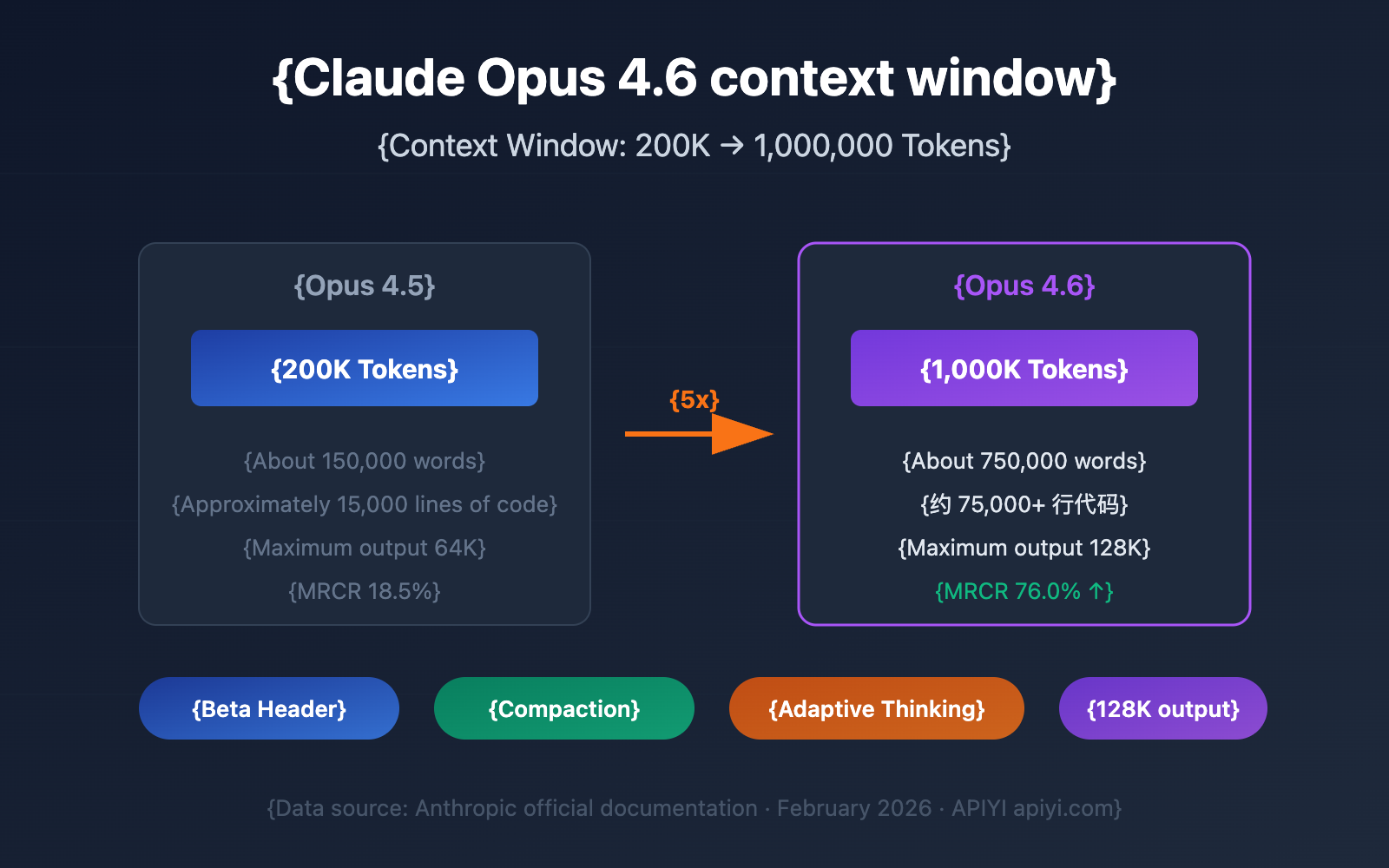
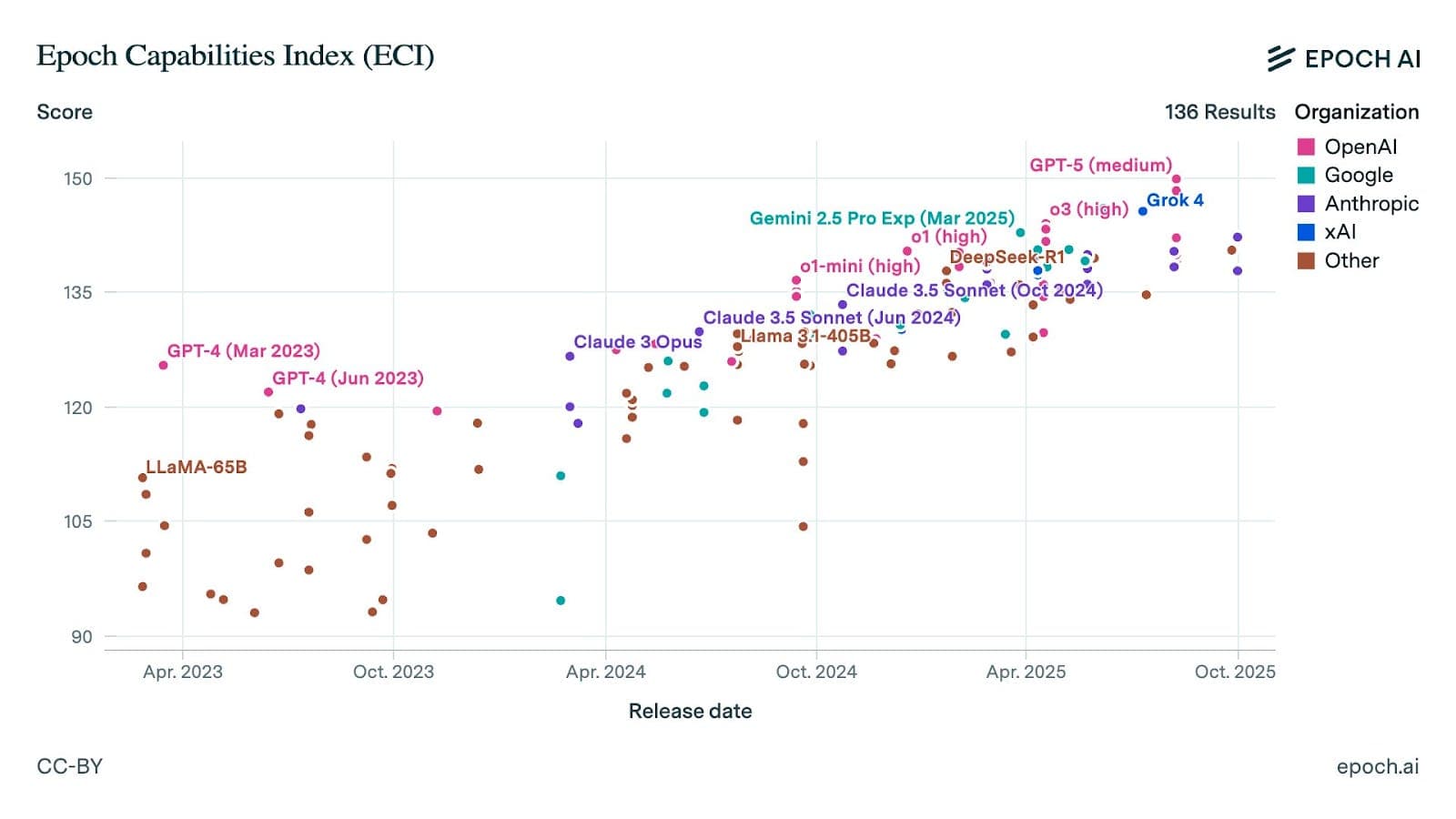
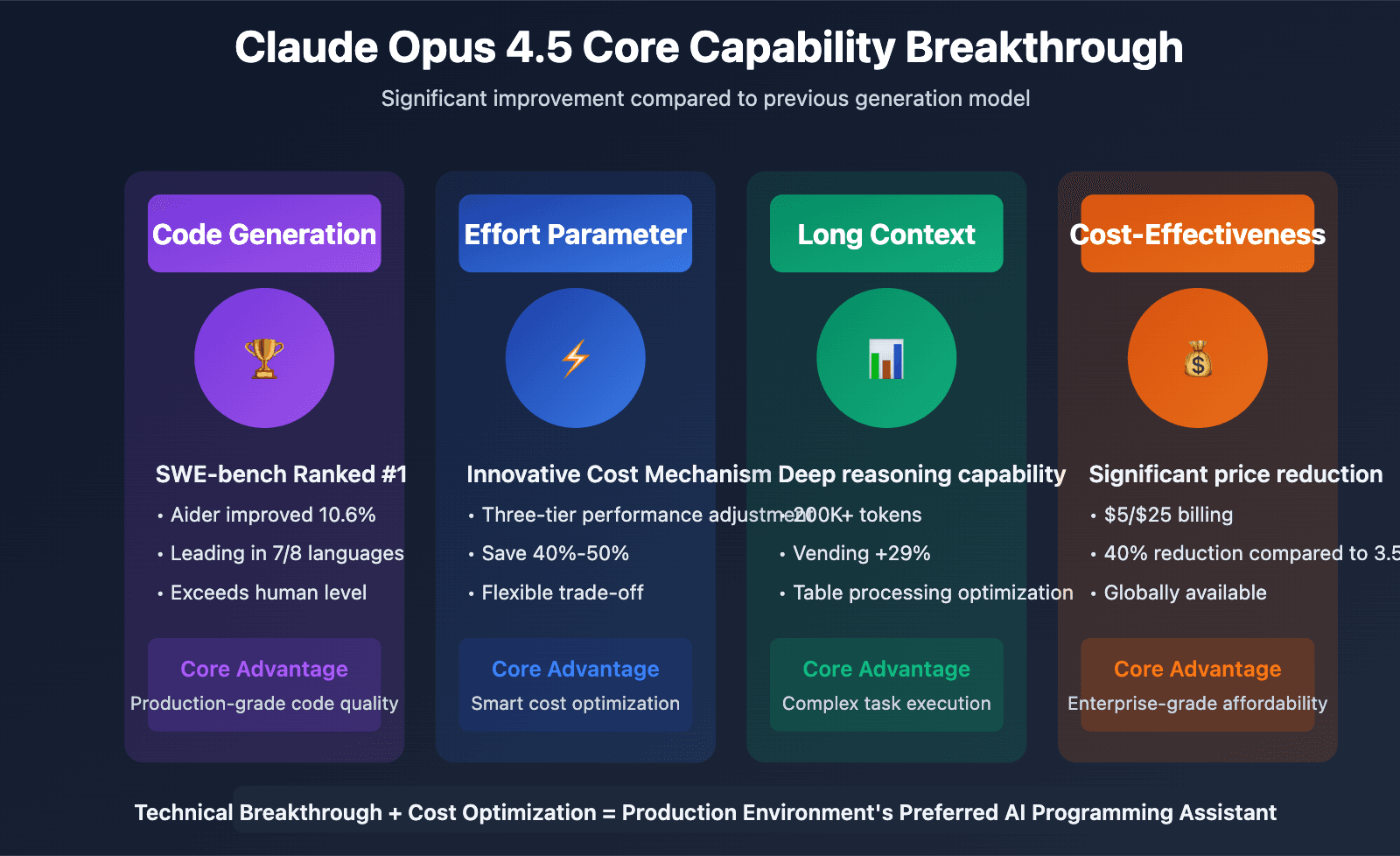
Anthropic's next-generation model, codenamed Fable 5, has drawn effusive praise from early tester @bcherny, who described it as 'the biggest step up I've felt in our models since Opus 4.5 back in November' According to @bcherny. The claim is notable given Opus 4.5 itself represented a major quality jump when it launched in late 2025, prompting @bcherny to uninstall his IDE after realizing he'd been coding entirely in a terminal for weeks.
From Agent to Partner

@bcherny emphasizes a qualitative shift in Fable 5's behavior: 'With Fable, it's felt like Claude has stepped up from being a coding agent to a thought and design partner in building the product.' He attributes to the model 'judgment, taste, and dimensionality in a way that previous models didn't,' leading to greater trust on complex work.
Methodical Debugging
The clearest demonstration came during a debugging session. 'It is the first model I have used that was so methodical and precise, taking measurements and adding logs then verifying that it truly fixed the issue before declaring victory,' @bcherny wrote. He noted this behavior is not prompted by Claude Code's system prompt — 'it's just part of its personality.'
'Big Model Smell'
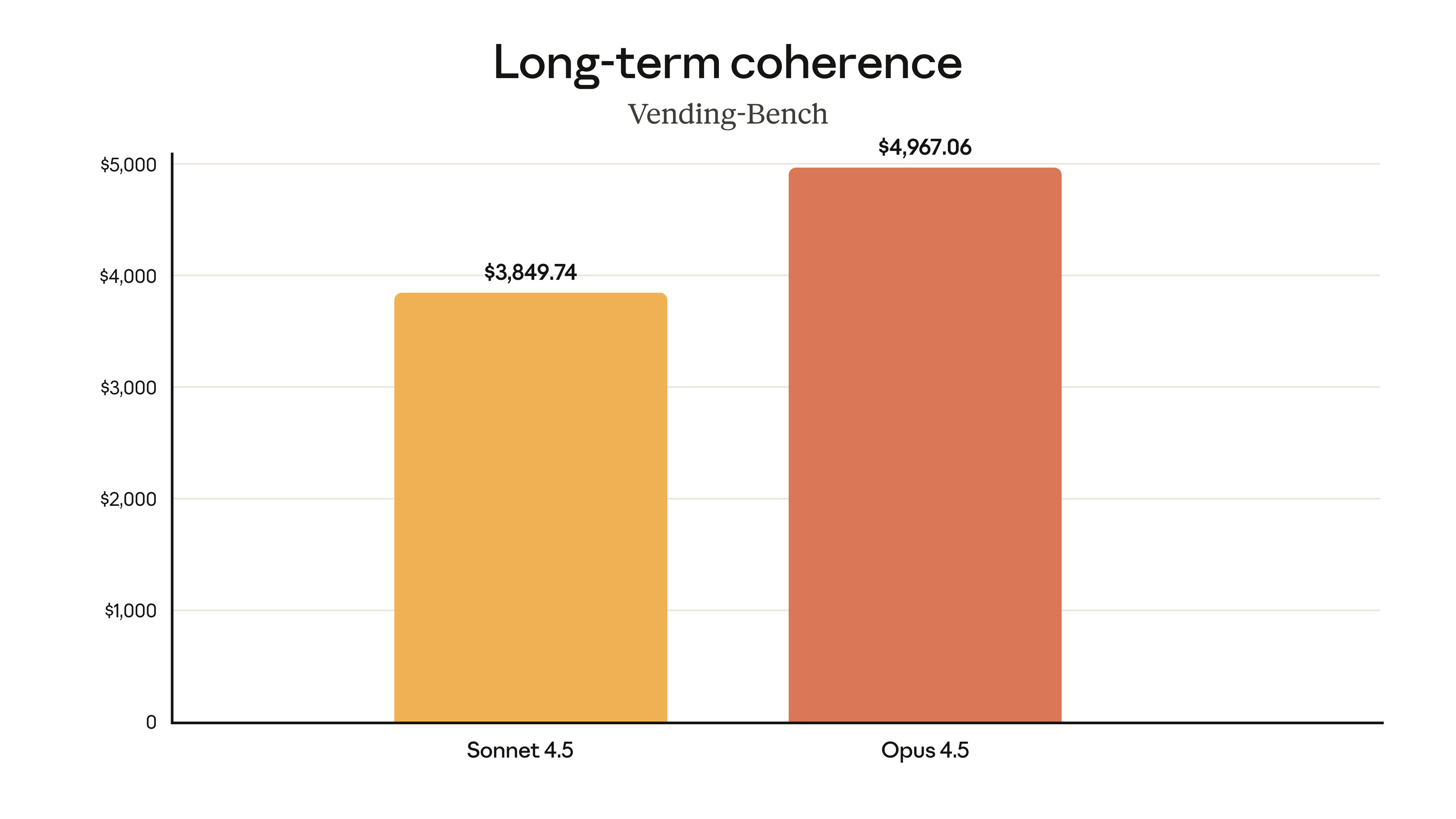
@bcherny invoked a term from the scaling literature: 'It really has this "big model smell" that I haven't felt before.' The phrase typically describes the emergent capabilities that appear only at sufficient scale, suggesting Fable 5 may be a significantly larger or differently trained model than its predecessors.
Anthropic has not publicly confirmed Fable 5's existence, release timeline, or specifications. The company did not respond to a request for comment. The claims rest entirely on a single beta tester's account, so benchmarks and independent verification are pending.
What to watch
Watch for Anthropic's next model release announcement — likely within Q2 2026 given the beta access — and independent benchmark results on SWE-Bench and HumanEval to validate @bcherny's qualitative claims with quantitative data.
[Updated 10 Jun via the_decoder]
Anthropic has officially released Fable 5 as the first model in its new Mythos class, confirming beta tester @bcherny's praise with hard data [per The Decoder]. The model scores 95% on SWE-bench Verified and 80% on SWE-bench Pro, and completed a Stripe code migration in one day that would have taken a team two months. However, it comes with strict safety filters blocking roughly 9% of requests, plus a mandatory 30-day data retention policy even on zero-retention contracts. Pricing is $10–$50 per million tokens — roughly double Opus 4.8 — and Claude subscribers can try it free of usage credits until June 22 [per Engadget].
[Updated 11 Jun via simon_willison]
Simon Willison, a respected developer and frequent model evaluator, spent over five hours testing Fable 5 and described it as 'something of a beast' — slow, expensive, but rarely failing at any task [per Simon Willison's blog]. He noted the model's knowledge feels 'big,' correctly correcting his name and listing 15+ open-source projects with dates, while Opus 4.8 declined for lack of precision. Willison also highlighted a new API fallback mechanism: when Fable 5's strict guardrails block a request, developers can configure automatic fallback to another model instead of losing the query entirely.