In a significant development that could reshape how we interact with artificial intelligence, Google has unveiled an experimental system called "Always-On Memory Agent" that provides AI with persistent, evolving memory capabilities. This breakthrough addresses one of the fundamental limitations of current AI systems: their inability to maintain continuous memory across interactions.
What Is Always-On Memory Agent?
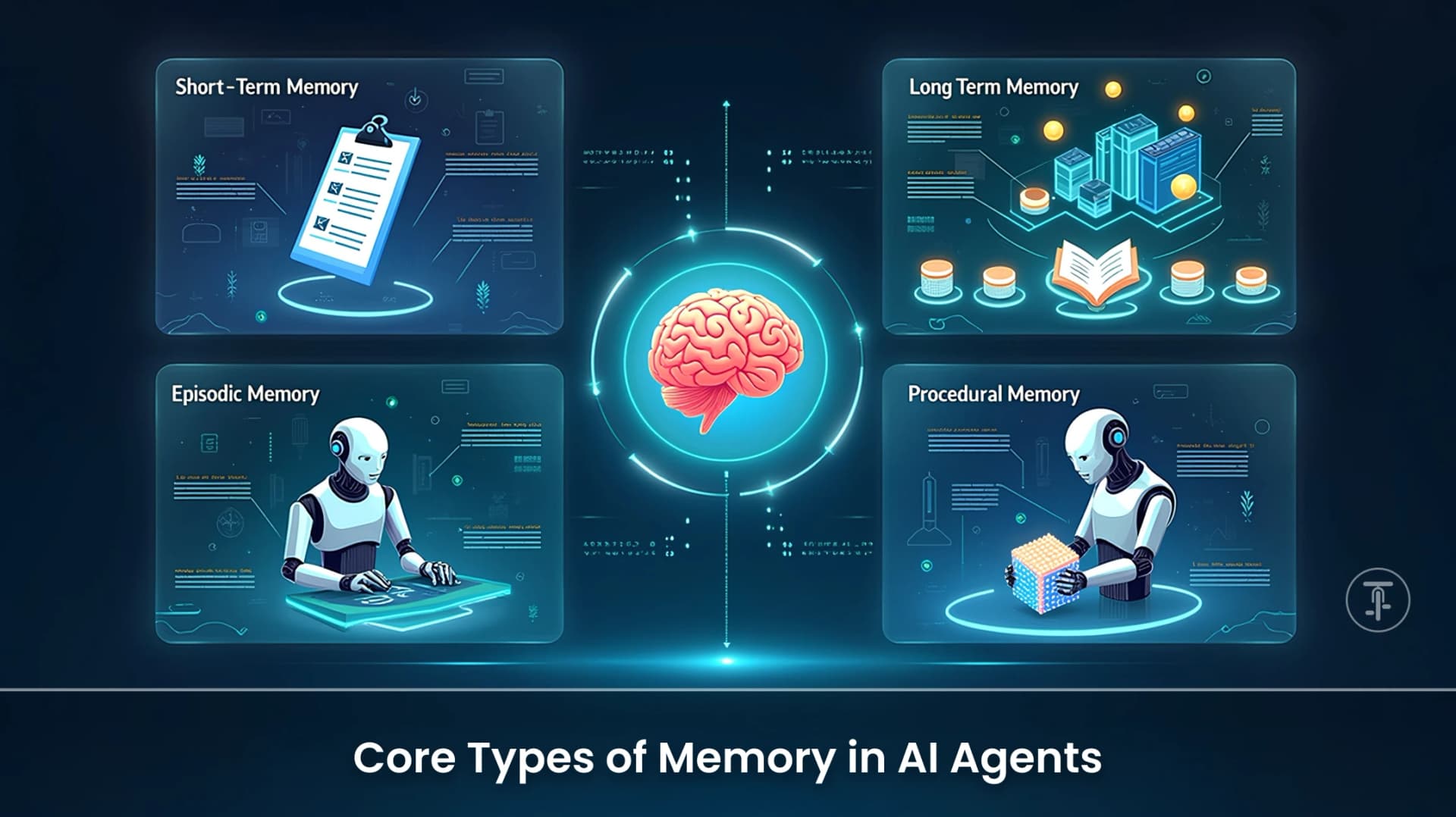
The Always-On Memory Agent represents a paradigm shift in AI architecture. Unlike current AI assistants that typically reset their memory between sessions or have limited context windows, this system maintains a continuous, evolving memory that persists indefinitely. The agent essentially creates a "memory stream" that records, organizes, and retrieves information from all interactions, allowing the AI to build upon previous conversations and experiences.
This technology appears to be an extension of Google's research into memory systems for AI, potentially building upon concepts like memory-augmented neural networks and external memory architectures that have been explored in academic circles for years. What makes this development particularly noteworthy is its implementation as an "always-on" system designed for practical applications.
How It Works: The Technical Foundation
While Google hasn't released complete technical specifications, the Always-On Memory Agent likely employs several innovative approaches to memory management:
Continuous Memory Stream: The system maintains a chronological record of interactions, observations, and learned information that grows over time. This isn't just a simple log but an organized, structured memory that can be efficiently queried and updated.
Selective Retention and Pruning: To prevent memory overload, the system probably includes mechanisms for determining what information to retain, what to compress, and what to discard. This selective memory management is crucial for maintaining performance as the memory grows.
Contextual Retrieval: The agent can likely retrieve relevant memories based on current context, conversation topics, or specific queries, allowing the AI to reference past interactions meaningfully.
Privacy-Preserving Architecture: Given Google's focus on responsible AI development, the system likely includes privacy safeguards, potentially allowing users to control what gets remembered or implementing differential privacy techniques.
Potential Applications and Implications
The implications of persistent AI memory are profound across multiple domains:
Personal AI Assistants: Imagine an AI that remembers your preferences, past conversations, and learned information about you across months or years of interaction. This could create truly personalized assistants that evolve with their users.
Education and Learning: AI tutors with persistent memory could track a student's progress over time, identify persistent knowledge gaps, and adapt teaching strategies based on long-term learning patterns.
Healthcare Support: Medical AI systems could maintain continuous records of patient interactions, symptom progression, and treatment responses, providing more consistent care management.
Creative Collaboration: Writers, artists, and researchers could work with AI partners that remember previous projects, stylistic preferences, and research threads across multiple sessions.
Enterprise Applications: Business AI could maintain institutional knowledge, remember client preferences and history, and provide consistent support across extended timelines.
Challenges and Considerations
Despite its potential, Always-On Memory Agent raises important questions:
Privacy and Security: How is sensitive information protected in persistent memory? What controls do users have over what's remembered and forgotten?
Memory Distortion: Like human memory, AI memory could become distorted over time or develop biases based on what it chooses to retain or emphasize.
Computational Efficiency: Maintaining and querying ever-growing memory stores requires sophisticated optimization to remain responsive.
Ethical Boundaries: Should AI remember everything? What ethical frameworks should govern what AI systems retain about human interactions?
The Competitive Landscape
Google's development comes amid increasing competition in the AI memory space. Other companies and research institutions are exploring similar concepts:
- OpenAI has been working on expanding context windows and memory capabilities for ChatGPT
- Anthropic has researched constitutional AI and memory systems
- Academic researchers have explored various memory architectures for years
Google's approach appears distinctive in its emphasis on "always-on" functionality and practical implementation for consumer and enterprise applications.
Looking Forward: The Future of AI with Memory
The Always-On Memory Agent represents more than just a technical feature—it points toward a future where AI systems develop continuous relationships with users, learn incrementally over extended periods, and provide increasingly personalized and context-aware assistance.
As this technology matures, we may see AI that doesn't just answer questions but maintains ongoing narratives, remembers shared histories with users, and develops what might be considered a form of digital continuity. This could fundamentally change human-AI interaction from transactional exchanges to ongoing partnerships.
Google hasn't announced when this technology might be integrated into consumer products, but its development signals a clear direction for the evolution of AI assistants. As memory capabilities improve, we're moving closer to AI that doesn't just process information in the moment but learns and grows alongside us.
Source: Based on announcement and analysis of Google's Always-On Memory Agent development as reported by @hasantoxr and other industry observers.