The Pipeline: Telegram → Claude Code → Vercel
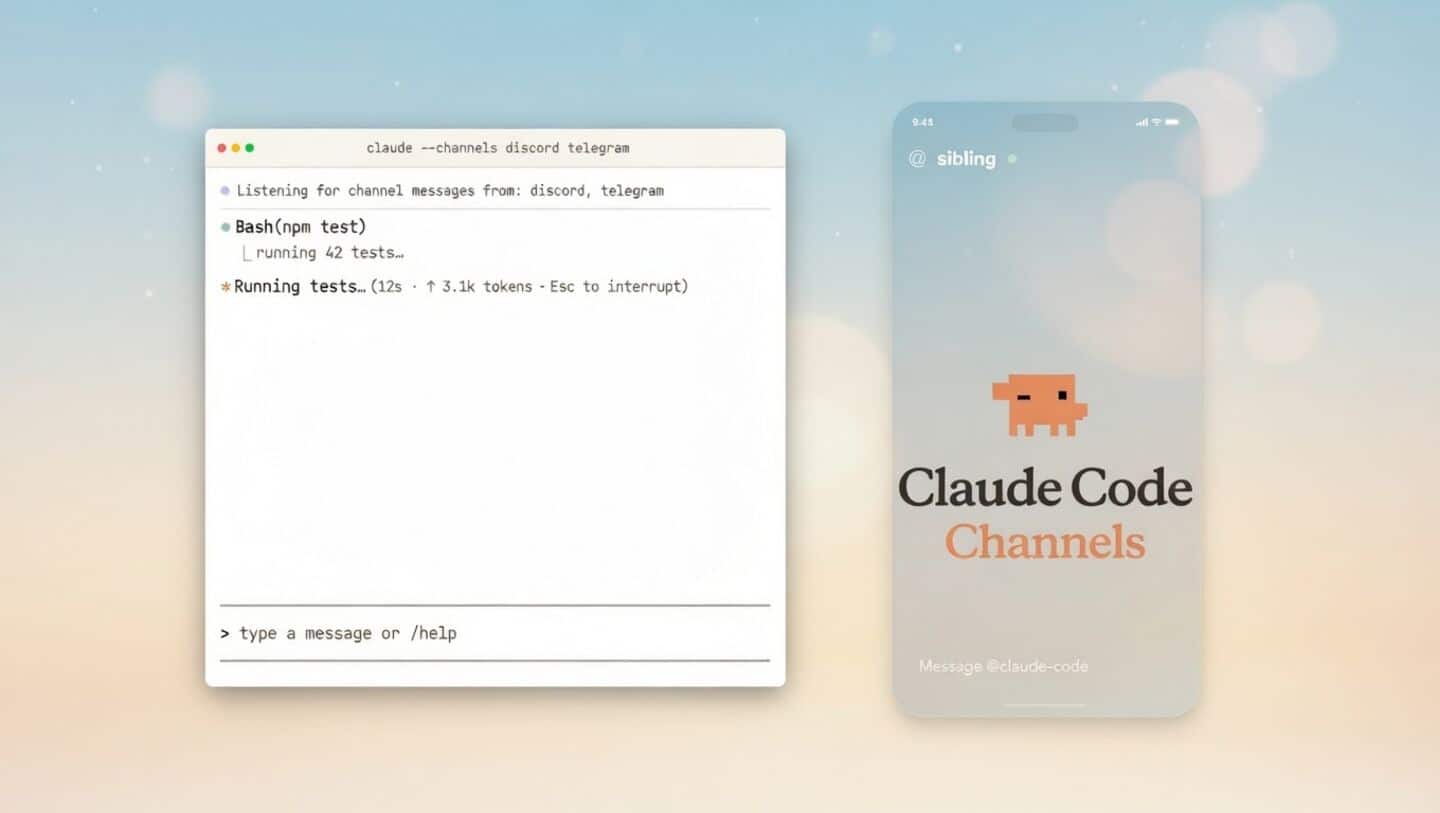
The source article details a practical integration where OpenClaw—a free, open-source AI agent—acts as a bridge between Telegram messaging and Claude Code. When a user sends a message to a Telegram bot, OpenClaw routes it to Claude Code for processing, then automatically deploys the resulting code to Vercel.
This creates what the author calls a "mobile-first development pipeline." Instead of sitting at your computer to use Claude Code, you can send natural language requests via Telegram and get working applications deployed automatically.
Why This Matters for Claude Code Users
This integration transforms Claude Code from a terminal-based tool into a component of an automated agentic system. According to the knowledge graph, AI agents have crossed a critical reliability threshold in 2026, fundamentally transforming programming capabilities. This OpenClaw integration demonstrates exactly that transformation in action.
For developers already using Claude Code daily, this means:
- Mobile accessibility: Code generation and deployment from anywhere
- Automated workflows: Claude Code becomes part of a larger autonomous system
- Reduced context switching: No need to switch between Telegram and your terminal
Setting Up the Integration
While the source article provides a step-by-step breakdown, here's what Claude Code users need to know:
1. Configure OpenClaw with Claude Code Access
OpenClaw needs permissions to execute Claude Code commands. This typically involves:
# In your OpenClaw configuration
claude_code_access:
  enabled: true
  project_path: "/path/to/your/project"
  auto_deploy: true
2. Telegram Bot Setup
Create a Telegram bot via @BotFather, then configure OpenClaw to listen to it:
# OpenClaw config.yaml
telegram:
  bot_token: "YOUR_BOT_TOKEN"
  allowed_users:
    - "your_telegram_username"
  claude_code_commands:
    - "generate"
    - "deploy"
    - "debug"
3. Claude Code Project Structure
Your Claude Code project needs to be Vercel-ready. Create a CLAUDE.md that includes deployment instructions:
## Deployment Instructions

When OpenClaw triggers deployment:
1. Run tests: `npm test`
2. Build project: `npm run build`
3. Deploy to Vercel: `vercel --prod`

Required environment variables:
- VERCEL_TOKEN
- VERCEL_PROJECT_ID
- VERCEL_ORG_ID
4. Testing the Pipeline
Send a Telegram message like:
/generate landing page with contact form
OpenClaw should:
- Parse your request
- Execute
claude code "create landing page with contact form" - Commit changes to Git
- Trigger Vercel deployment
- Reply with the live URL
Practical Use Cases
Rapid Prototyping
"Build a todo app with React and Firebase" → Telegram → Claude Code → Deployed in minutes
Bug Fixes on the Go
"Fix the login button alignment on mobile" → Telegram → Claude Code → Automatic deployment
Content Updates
"Update the pricing page with new tiers" → Telegram → Claude Code → Live in seconds
Limitations and Considerations
- Token usage: Each Telegram request triggers a full Claude Code session
- Security: Telegram bot tokens and Vercel tokens need secure storage
- Complexity: Simple requests work best; multi-step features may need refinement
- Cost: This increases Claude Code usage, potentially hitting rate limits faster
The Bigger Picture
This integration represents a shift toward what the knowledge graph identifies as "agentic AI"—where Claude Code becomes one tool in an autonomous system rather than an endpoint. Following the industry prediction that 2026 is a breakthrough year for AI agents across all domains, this OpenClaw-Claude Code pipeline shows how developers can start building those agentic systems today.
gentic.news Analysis
This development aligns with several trends we've been tracking. First, the knowledge graph shows AI agents appearing in 15 articles this week alone (total: 212), indicating accelerating interest in agentic systems. Second, this follows Anthropic's recent announcement of dynamic loop scheduling for AI agent workflows, suggesting they're actively building infrastructure for exactly this type of integration.
The relationship map reveals that AI agents already use Claude Code in 11 documented cases, but this Telegram→OpenClaw→Claude Code→Vercel pipeline represents a particularly accessible entry point. Unlike more complex agent frameworks, this setup uses familiar tools: Telegram for input, Claude Code for generation, and Vercel for deployment.
This also connects to our previous coverage of Claude Code's deterministic permission system architecture. The OpenClaw integration essentially extends that permission system to mobile inputs, maintaining security while expanding accessibility.
For developers, the key takeaway is that Claude Code is evolving from a standalone coding assistant to a component in larger automated systems. As AI agents continue crossing reliability thresholds, expect more of these integrations that connect Claude Code to other tools in your workflow.