Key Takeaways
- Instacart acquired computer vision firm Arpalus to add real-time shelf intelligence for grocery retailers.
- The technology automates inventory monitoring, product placement, and pricing verification.
What Happened
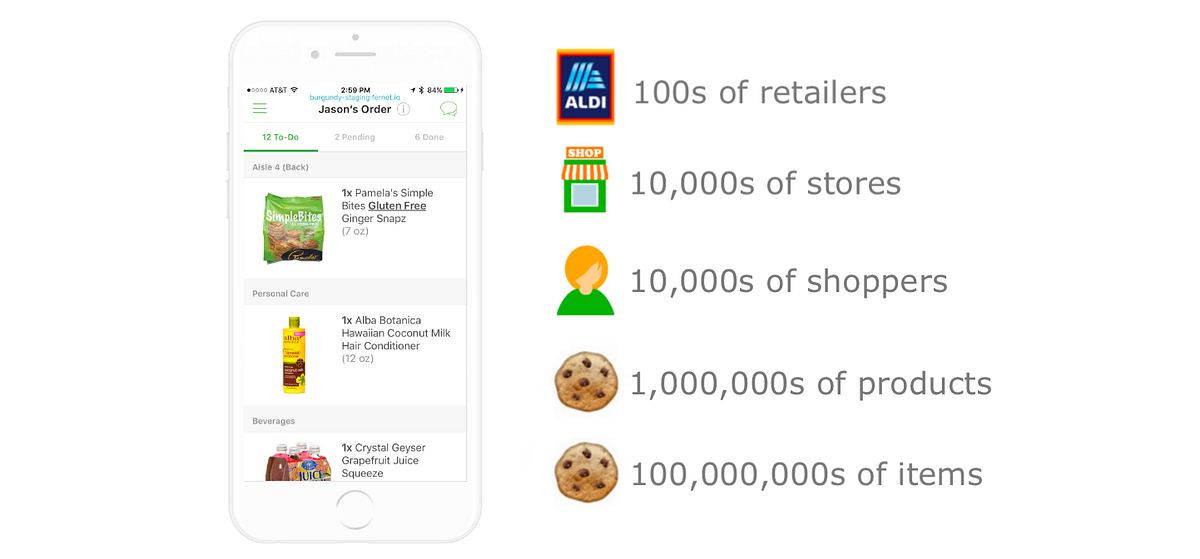
Instacart has acquired Arpalus, a computer vision company specializing in grocery shelf intelligence, according to reports from Investing.com, Pulse 2.0, and Supermarket News. The acquisition is designed to bring real-time computer vision capabilities to grocery retail, enabling automated detection of product availability, shelf placement, and pricing accuracy.
Technical Details
Arpalus develops computer vision systems that analyze retail shelf conditions in real time. The technology uses cameras and image processing to identify:
- Product stockouts and low inventory
- Incorrect product placement
- Pricing discrepancies or missing labels
- Shelf compliance with planograms
While specific technical architectures were not disclosed, the system likely employs object detection models trained on thousands of grocery SKUs, combined with edge computing for low-latency inference at store level.
Retail & Luxury Implications
For grocery retailers, this acquisition signals a maturation of computer vision for operational use cases. Instacart plans to integrate Arpalus into its retail technology platform, offering:
- Real-time inventory visibility: Retailers can see shelf conditions remotely, reducing manual audits
- Automated compliance monitoring: Ensures promotional displays and pricing are executed correctly
- Data for demand forecasting: Shelf-level data feeds into replenishment algorithms
For luxury retail, the direct application is limited—grocery shelf monitoring is a different challenge from luxury store visual merchandising. However, the underlying computer vision techniques (object detection, planogram compliance) could translate to luxury contexts like visual merchandising audits, display compliance, and product placement verification in flagship stores.
Business Impact
Instacart's acquisition of Arpalus is a strategic move to differentiate its retail technology offering. By adding real-time shelf intelligence, Instacart competes more directly with other retail tech providers like Trax and RetailNext. The financial terms were not disclosed, but the move aligns with Instacart's broader strategy to become a technology partner for grocers, not just a delivery intermediary.
Implementation Approach
Retailers looking to adopt similar technology should consider:
- Camera infrastructure: In-store cameras or mobile devices for image capture
- Model training: Custom object detection models trained on specific SKUs and packaging
- Integration: Connecting shelf data to inventory management and POS systems
- Edge vs. cloud: Balancing real-time inference with cost and latency requirements
Governance & Risk Assessment
- Privacy: Cameras in stores raise privacy concerns—systems must avoid capturing customer faces or personal data
- Accuracy: Model misclassifications can lead to incorrect inventory decisions
- Vendor lock-in: Proprietary systems may limit flexibility
- Maturity: Computer vision for shelf monitoring is proven in grocery but less mature in luxury contexts
Source: news.google.com