Key Takeaways
- Logile, a provider of AI-powered workforce solutions, announced its participation in Retail Technology Show 2026.
- The company will showcase its Connected Store Operations platform, emphasizing the industry trend toward integrating labor planning, task management, and store execution.
The Announcement

Logile, Inc., a global provider of AI-powered Connected Workforce solutions, has confirmed its participation as an exhibitor at the Retail Technology Show 2026. The flagship retail event is scheduled for April 22-23 at Excel London. According to the announcement, Logile will use the platform to showcase its Connected Store Operations solutions, which are designed to unify various aspects of in-store management.
While the press release is brief, it positions Logile's offering at the intersection of artificial intelligence and operational execution. The term "Connected Workforce" suggests a platform that integrates scheduling, task management, communications, and performance analytics into a single system, powered by AI for optimization and forecasting.
Why This Matters for Retail & Luxury
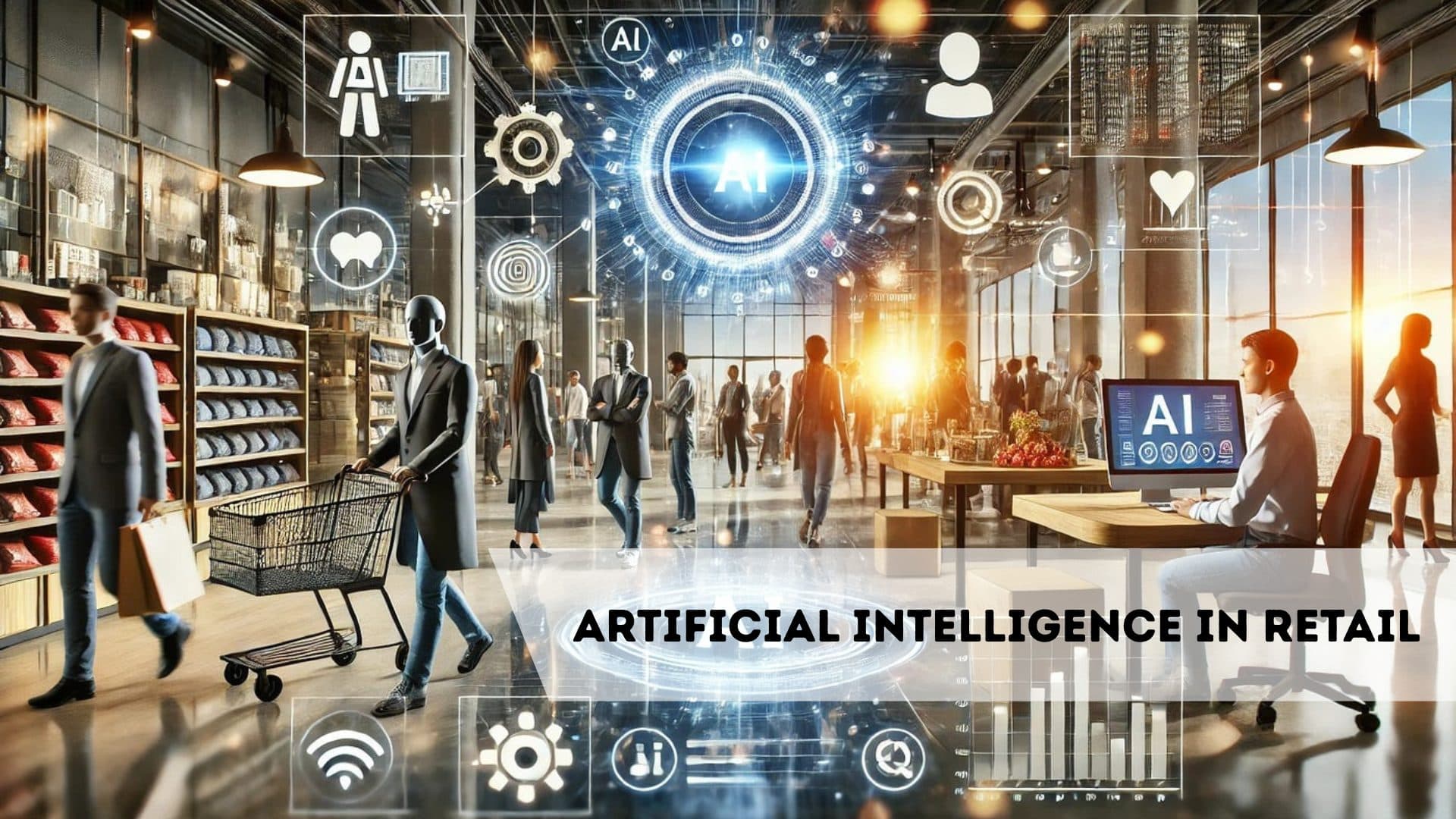
For luxury and premium retail, where in-store experience is paramount and labor costs are significant, the promise of connected operations is particularly relevant. Disconnected systems for scheduling, task lists, inventory checks, and clienteling create operational friction and data silos. A unified platform aims to solve this by:
- Intelligent Labor Optimization: AI can forecast store traffic and sales to create optimal schedules that align staff expertise (e.g., VIP stylists, watch specialists) with anticipated customer demand.
- Unified Task Management: Centralizing tasks—from visual merchandising updates and stock replenishment to pre-opening checks—ensures consistency and accountability across all stores, a critical factor for maintaining brand standards.
- Data-Driven Execution: By connecting workforce data with point-of-sale and inventory systems, managers gain a holistic view of store performance, enabling quicker, more informed decisions.
For luxury houses, the value proposition extends beyond efficiency to brand preservation. Ensuring every associate has the right tools and information at the right moment is essential for delivering the high-touch, knowledgeable service that defines the luxury experience.
Business Impact
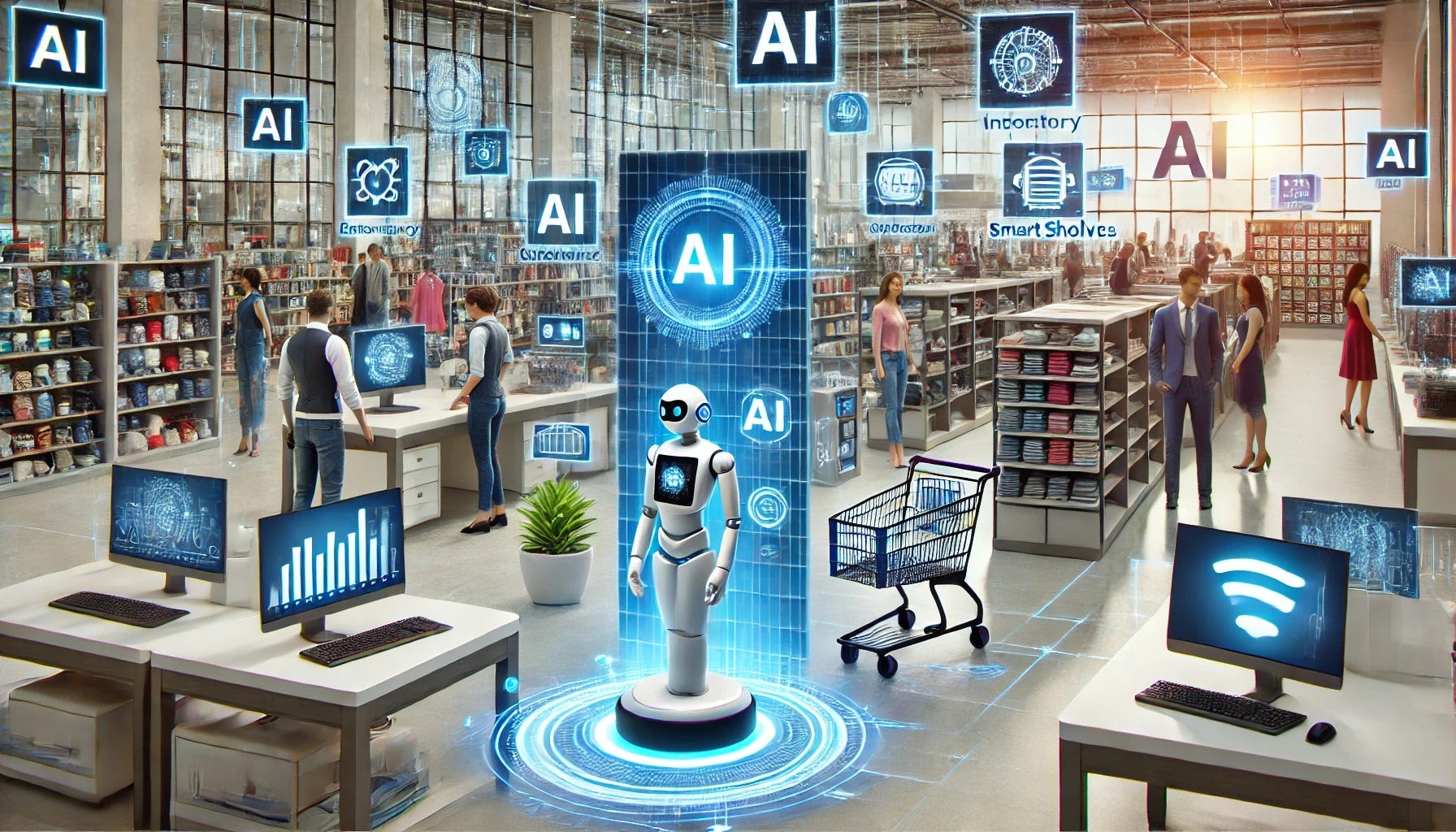
The business case for connected store operations centers on productivity, compliance, and revenue protection.
- Productivity: Reducing administrative time spent on manual scheduling and communication frees store managers and staff to focus on customer engagement and revenue-generating activities.
- Compliance: Automated tracking of labor laws, break times, and certifications helps mitigate regulatory risk, especially for global retailers operating in multiple jurisdictions.
- Revenue Protection: Ensuring stores are properly staffed and operational tasks are completed on time directly impacts sales. An out-of-stock high-margin item or a poorly merchandised window has an immediate cost.
While the announcement does not provide specific ROI metrics, the industry-wide push toward such platforms indicates a recognized need to move from reactive to predictive and connected store management.
Implementation Approach
Implementing a platform like Logile's is a significant operational transformation, not just a software installation. The technical requirements typically involve:
- Systems Integration: The platform must integrate with existing HR systems (for employee data), POS systems (for sales and traffic data), and potentially inventory management systems. This requires robust APIs and a clear data architecture.
- Change Management: Success depends heavily on adoption by store teams. This requires comprehensive training and a shift in daily workflows, moving from paper lists or disparate apps to a single source of truth.
- Data Foundation: The AI components are only as good as the data fed into them. Retailers need clean, consistent historical data on sales, traffic, and task completion for the models to generate accurate forecasts and recommendations.
The complexity is high, involving both IT and field operations teams, and often follows a phased rollout by region or store format.
Governance & Risk Assessment
Adopting AI-driven workforce management tools introduces several governance considerations:
- Data Privacy: These systems process significant amounts of employee data, including location (via mobile apps), performance metrics, and availability. Compliance with GDPR, CCPA, and other regional regulations is non-negotiable.
- Algorithmic Bias: AI scheduling models must be audited to ensure they do not inadvertently create biased schedules based on gender, age, or other protected characteristics. Transparency in how AI makes recommendations is crucial.
- Vendor Maturity: Logile is an established player in workforce management, which suggests a mature product and implementation methodology. However, retailers must conduct due diligence on the specific AI capabilities, model explainability, and the vendor's roadmap for the platform.
- Operational Resilience: Stores become dependent on the platform for daily operations. Robust uptime guarantees, offline functionality, and clear support protocols are essential to avoid store paralysis during an outage.