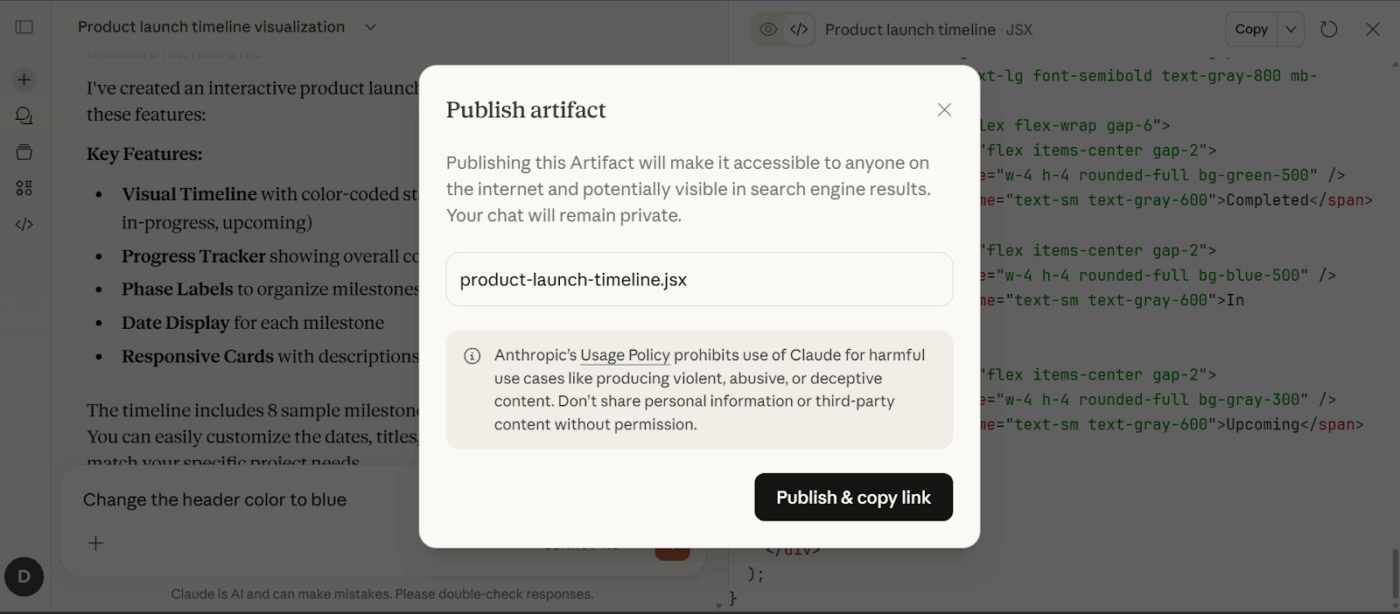
On Wednesday, Anthropic launched Claude Design, a new suite of AI-powered design tools that directly competes with Figma. The launch followed the resignation of Anthropic's Chief Product Officer from Figma's board of directors on Monday and reports that Anthropic was building design tools.
Figma, which had previously integrated Anthropic's Claude AI as its assistant, saw its stock price fall 7% in a single hour following the announcement.
Key Takeaways
- Anthropic launched Claude Design, a direct competitor to Figma, following the resignation of its Chief Product Officer from Figma's board.
- Figma's stock fell 7% in an hour after the announcement.
What Happened: A Timeline of Competitive Moves
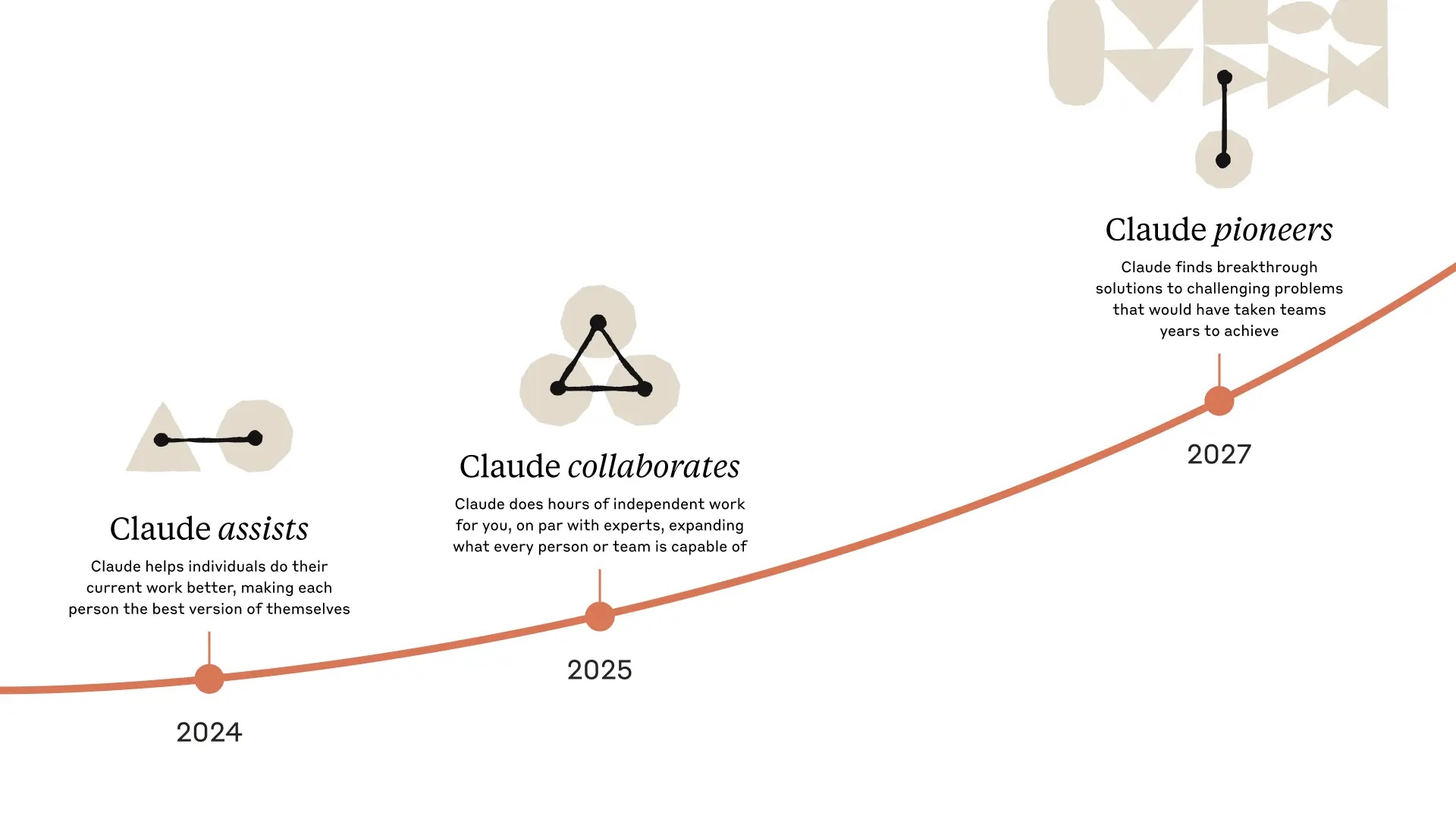
The sequence of events reveals a strategic pivot by Anthropic from partner to competitor:
- Board Resignation: On Monday, Anthropic's Chief Product Officer resigned from his position on Figma's board of directors.
- Reports Surface: The same day, reports emerged that Anthropic was actively developing its own design tools.
- Product Launch: On Wednesday, Anthropic officially launched Claude Design, confirming its entry into the design software market.
- Market Reaction: Figma's stock (ticker: FIGM) dropped approximately 7% within an hour of the news.
This move transforms the relationship between the two companies. Figma had integrated Claude as its primary AI assistant, embedding Anthropic's technology into its core workflow. Now, Anthropic is offering a competing product that likely leverages similar AI capabilities.
The Strategic Implication: When Your AI Partner Becomes Your Rival
The situation illustrates a critical risk for companies building their products on top of AI platforms from major labs. As George Pu's analysis notes:
"Your integration is their research. Your roadmap is their spec. Your customers are their TAM [Total Addressable Market]."
When an AI lab like Anthropic decides to compete directly with its integration partners, it's not a surprise attack but a "planned transition." The partner's product and user base effectively serve as market research and validation for the lab's own vertical product.
What We Know About Claude Design
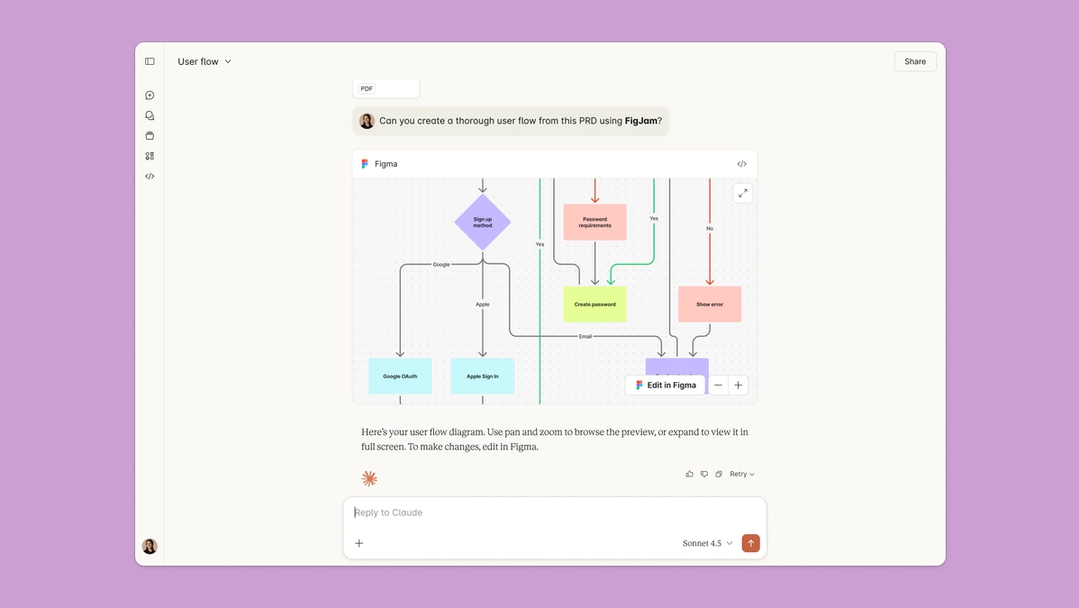
While specific technical details of Claude Design are not yet fully public, its positioning as a "direct Figma competitor" suggests it will offer:
- AI-native design workflows: Unlike Figma's later addition of AI features, Claude Design is likely built from the ground up with AI as the core interaction model.
- Natural language to design: Users may describe interfaces or components in plain English, with Claude generating corresponding designs, prototypes, or code.
- Integration with Claude's reasoning: Leveraging Anthropic's Constitutional AI and long-context capabilities for complex, multi-step design tasks.
The launch represents Anthropic's most significant move beyond its core chat interface and API offerings, signaling an ambition to own specific enterprise verticals with tailored AI applications.
gentic.news Analysis
This development is a stark case study in the evolving and often precarious dynamics between foundational AI model providers and the application-layer companies that depend on them. It validates a growing concern in the ecosystem: that AI labs, having established a technological moat with their models, will inevitably move "downstream" to capture more value by building best-in-class applications themselves.
This follows a pattern we've noted in the AI Platform Risk trend. Previously, we covered how OpenAI's launch of ChatGPT Enterprise and its custom GPT Store created tension with startups building on its API. Anthropic's move is more direct and aggressive, targeting a single, established public company with whom it had a board-level relationship. The timing—a board resignation immediately preceding a competitive launch—is particularly notable and will likely make other companies deeply wary of granting board seats to executives from foundational AI labs.
The fallout will extend beyond Figma. Every SaaS company currently using or considering a deep integration with Claude, GPT-4, or Gemini must now factor in the possibility of the model provider becoming a competitor. This accelerates the incentive for larger companies to develop in-house models and for the ecosystem to support more truly independent, open-weight model providers. The era of naive "build on a platform" partnerships is over; the new reality is one of managed co-opetition, where your most capable technology partner is also your most informed potential rival.
Frequently Asked Questions
What is Claude Design?
Claude Design is a new suite of AI-powered design tools launched by Anthropic. It is positioned as a direct competitor to Figma, suggesting it focuses on user interface and experience design, likely leveraging natural language prompts to generate and manipulate designs.
Why did Figma's stock drop?
Figma's stock fell approximately 7% because a key technology partner and investor (via board representation), Anthropic, launched a competing product. This represents a direct threat to Figma's market position, especially since Figma had integrated Claude's AI, potentially giving Anthropic insight into user needs and workflows.
What does this mean for other companies using Claude's API?
This event serves as a major warning. Companies building core product features on top of a major AI lab's models face the risk of that lab later entering their market. It underscores the importance of having a multi-model strategy, controlling core differentiation, and being cautious about overly deep partnerships that include board access or extensive data sharing.
Was it a conflict of interest for Anthropic's CPO to be on Figma's board?
The rapid sequence of events—resignation followed immediately by a competitive launch—highlights the inherent tension in such board relationships. While the CPO resigned before the launch, Anthropic's development of Claude Design almost certainly occurred during his tenure on Figma's board, raising questions about information flow and strategic alignment.