Key Takeaways
- Maine's legislature passed the first statewide moratorium on new AI data centers, halting approvals for up to two years to study environmental and energy impacts.
- The bill now awaits Governor Janet Mills' decision.
What Happened

Maine has become the first U.S. state to pass a statewide moratorium on new AI data center construction. The legislation, reported by Democracy Now!, would pause approvals for new data centers for up to two years while the state conducts an environmental and energy impact review.
The bill now sits on Governor Janet Mills' desk. If signed, Maine would be the first state in the nation to enact a blanket pause on AI data center development, signaling a growing regulatory pushback against the infrastructure demands of large-scale AI systems.
Why This Matters
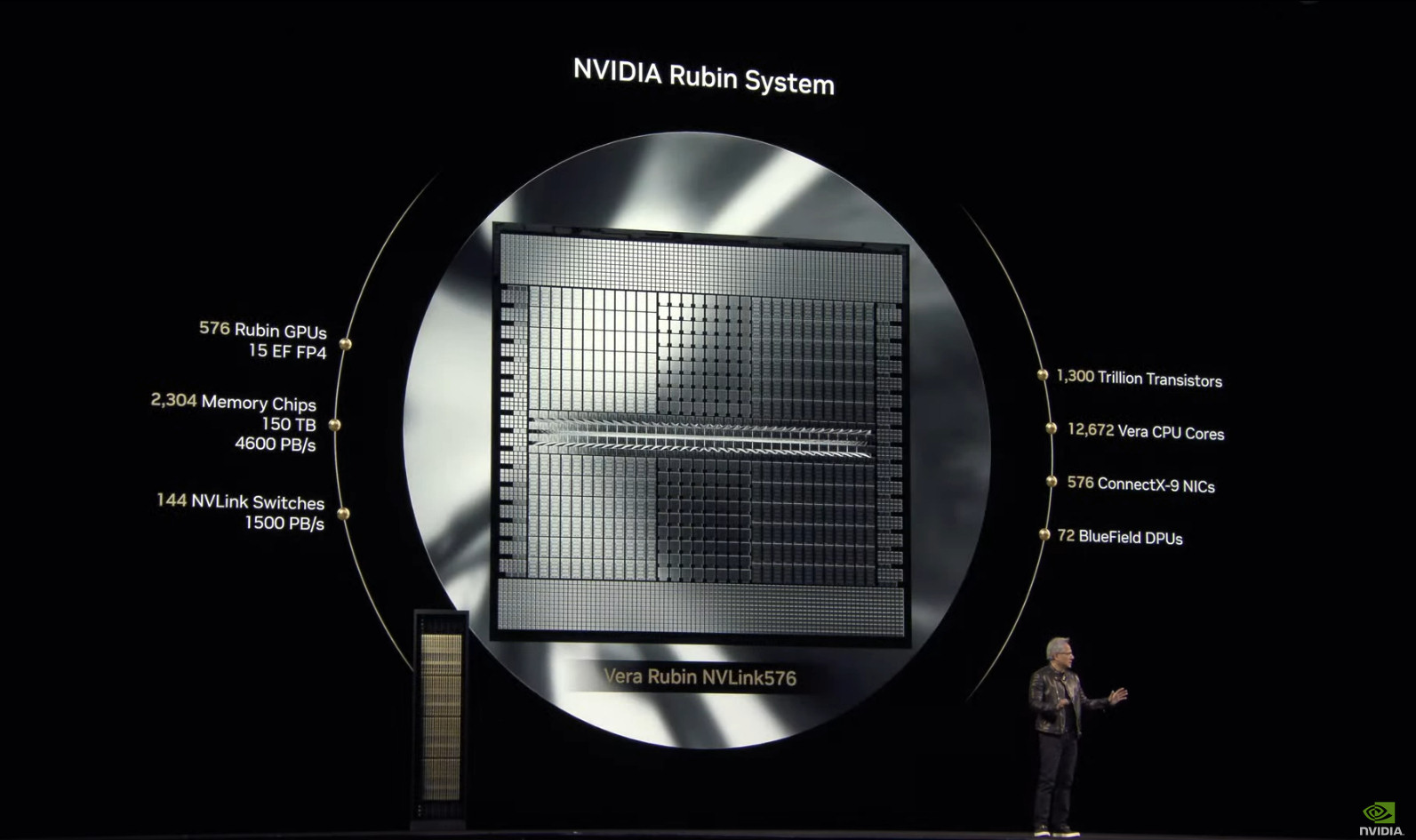
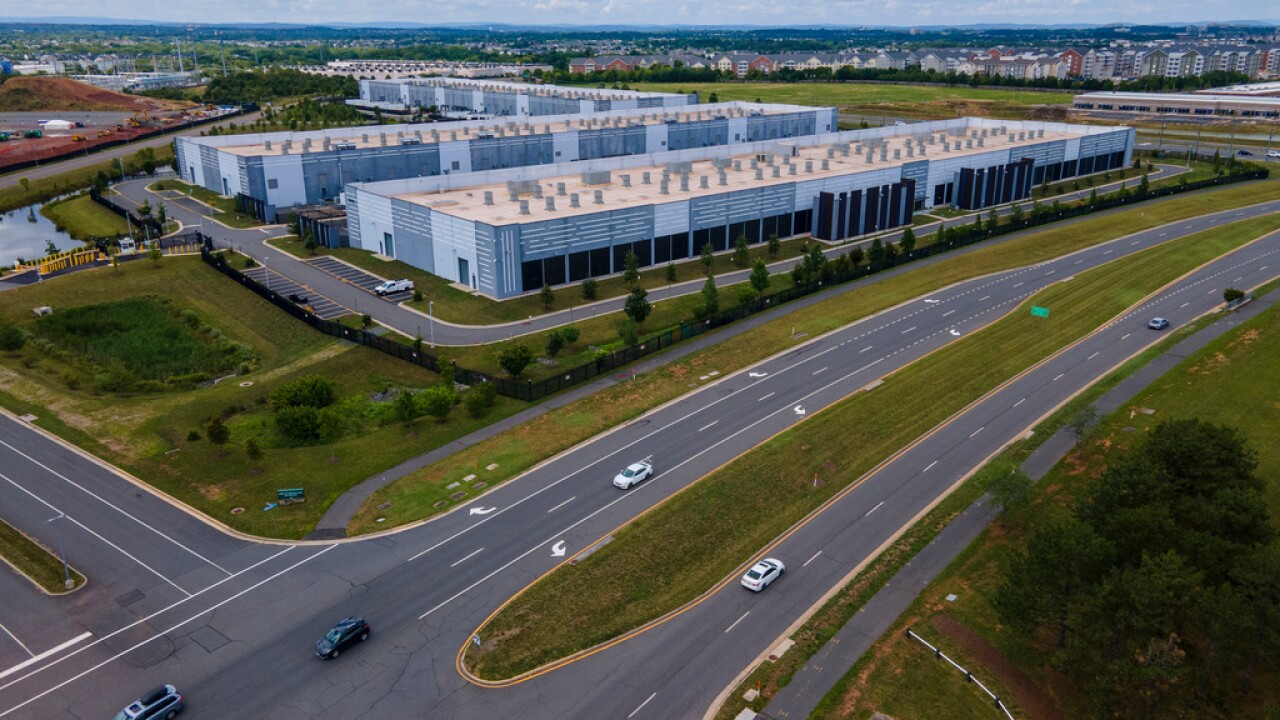
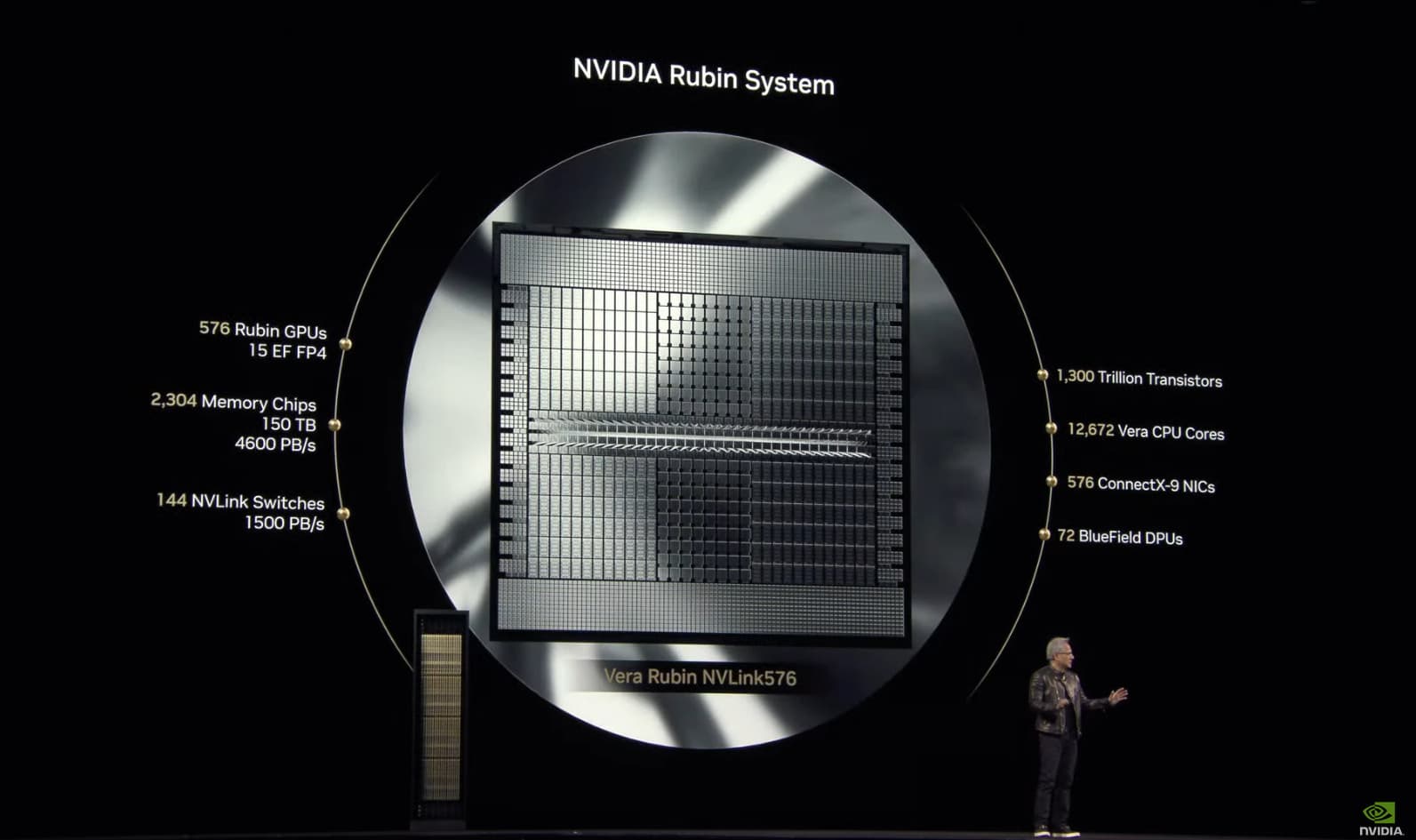
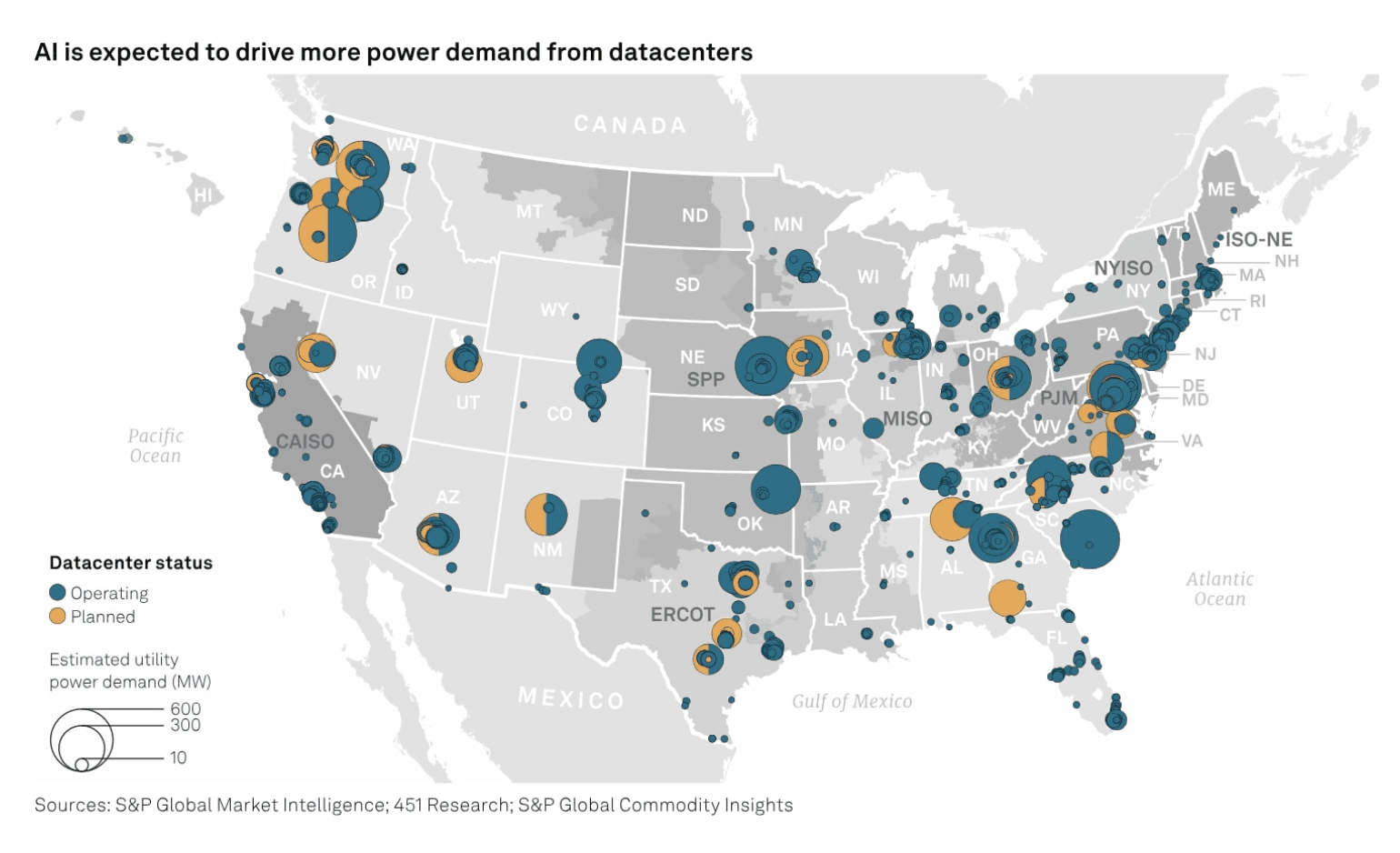
AI data centers are massive consumers of electricity and water. A single large-scale AI training cluster can draw 100–200 megawatts of power—equivalent to tens of thousands of homes—and consume millions of gallons of water daily for cooling. As AI model training scales, so does the physical footprint of the infrastructure required to support it.
Maine's move reflects a broader tension: AI companies need ever-larger data centers to train frontier models, but local communities and states are beginning to push back on the environmental costs. The moratorium gives Maine time to assess grid capacity, water resources, and long-term sustainability before committing to large-scale industrial development.
The Bigger Picture
This is not an isolated event. Across the U.S., local opposition to data center construction has been growing:
- Virginia (the world's largest data center market) has seen community resistance in Prince William County over noise, water use, and grid strain.
- Arizona and Oregon have debated water usage for data center cooling in drought-prone regions.
- Ireland imposed a de facto moratorium on new data centers near Dublin in 2022 due to grid capacity concerns—a precedent that Maine's legislation mirrors.
Maine's law, however, is the first statewide moratorium in the U.S. explicitly tied to AI data centers, rather than general data center development.
What's Next

Governor Mills has not publicly stated her position on the bill. If she signs it, Maine will immediately halt new permits for AI data centers. If she vetoes, the legislature could attempt an override. The outcome will be closely watched by both AI infrastructure developers and environmental groups as a bellwether for similar legislation in other states.
gentic.news Analysis
This is a signal moment for the AI infrastructure supply chain. The data center buildout is the physical backbone of the AI industry—without it, no amount of algorithmic progress can be deployed at scale. A statewide moratorium in Maine, even if small in absolute data center capacity, creates a precedent that could spread to larger markets like Virginia, Ohio, or Texas where data center construction is booming.
What makes this noteworthy is the explicit linkage to AI. Previous data center moratoriums (e.g., Ireland) were framed around general energy and housing concerns. Maine's bill specifically targets AI data centers, reflecting a growing public awareness that AI's environmental footprint is distinct from traditional cloud computing due to the density of GPU clusters and their power and cooling requirements.
For AI practitioners, this means two things: (1) regulatory risk for data center development is now real and quantifiable, and (2) the cost of compute may rise as states impose environmental compliance costs on new facilities. Companies building frontier models should factor this into their long-term infrastructure planning.
Frequently Asked Questions
Why is Maine targeting AI data centers specifically?
Maine's legislation singles out AI data centers because they require significantly more power and water than traditional data centers. AI training clusters use high-density GPU servers that generate extreme heat, requiring intensive cooling systems. The moratorium allows the state to study these unique demands before permitting new construction.
How long would the moratorium last?
The bill proposes a pause of up to two years on new AI data center approvals. During this period, the state would conduct an environmental and energy impact assessment to determine appropriate regulations for future development.
Will other states follow Maine's lead?
Possibly. Similar debates are underway in Virginia, Arizona, and Oregon. Maine's move creates a legislative template that other states could adopt, especially those with limited grid capacity or water resources. The outcome in Maine will be closely watched as a test case for statewide AI infrastructure regulation.
Does this affect existing data centers in Maine?
No. The moratorium applies only to new data center construction. Existing facilities would continue operating under current permits. The bill is forward-looking, designed to prevent new development until the state completes its review.