In a recent statement, billionaire investor and entrepreneur Mark Cuban outlined what he believes will be the next significant wave of job creation and business opportunity: customized AI integration for small to mid-sized companies (SMBs).
Cuban's core argument is that the era of one-size-fits-all software is ending. "Software is dead because everything's gonna be customized to your unique utilization," he stated. The massive opportunity lies in the gap between powerful, generalized AI models and the specific, unique operational needs of individual businesses. The question, as Cuban frames it, is: "Who's gonna do it for them?"
He points to the sheer scale of the potential market: there are 33 million companies in the United States, the vast majority of which are small to medium-sized enterprises. These businesses lack the in-house expertise to effectively integrate AI tools like large language models (LLMs), computer vision, or predictive analytics into their workflows, CRM systems, inventory management, or customer service operations.
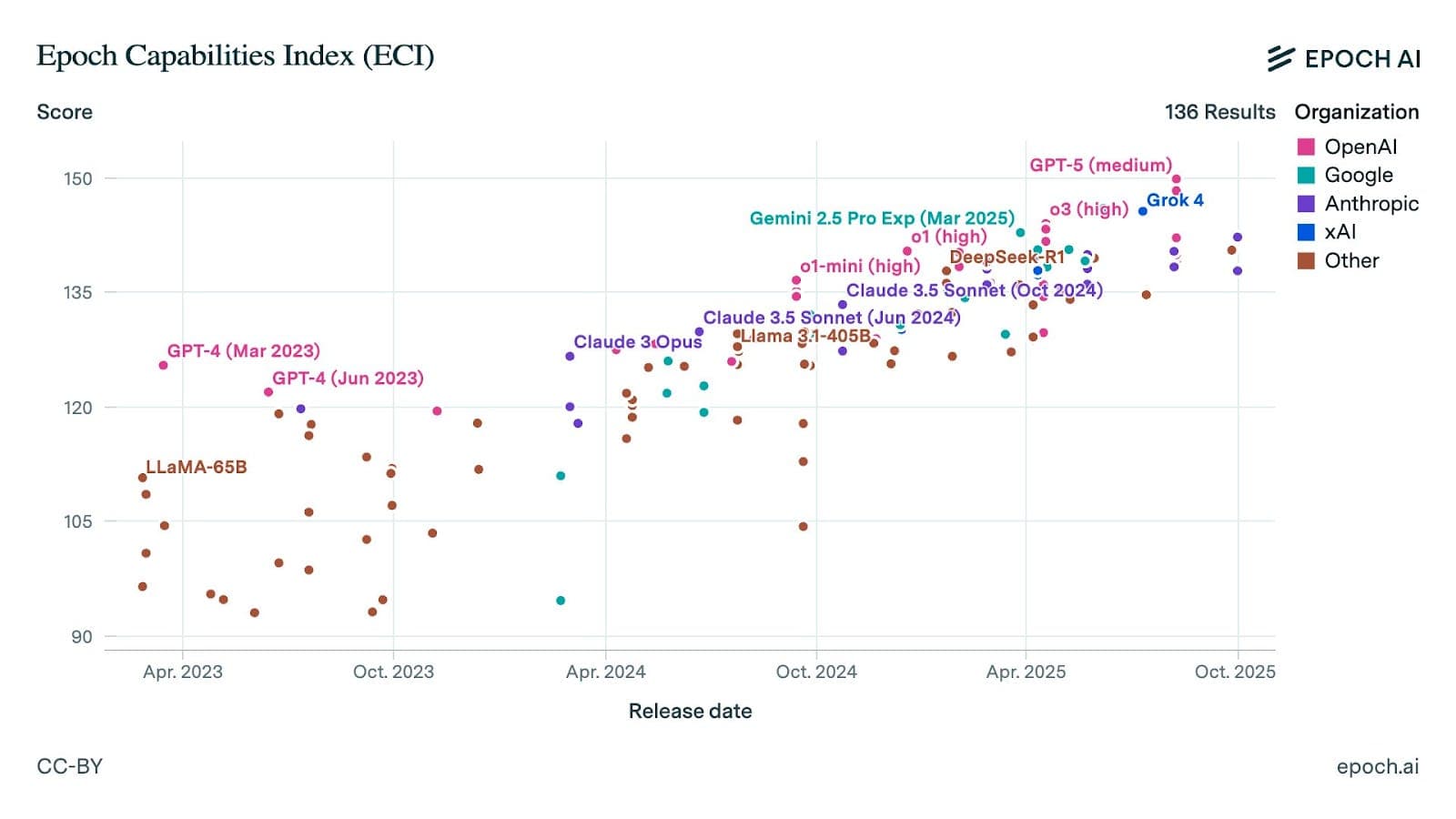
This prediction signals a shift from the current focus on building foundational AI models (like GPT-5, Claude 3.5, or Gemini) towards the crucial last-mile problem of implementation. The value will increasingly be captured not by the model makers alone, but by the integrators, consultants, and developers who can tailor these technologies to solve concrete business problems.
Key Takeaways
- Mark Cuban predicts the next major job wave will be in custom AI integration for small to mid-sized companies, stating generic 'software is dead' as everything becomes uniquely customized.
- He highlights a market of 33 million US companies needing these services.
The "Integration Layer" Opportunity

Cuban's commentary highlights the emerging "AI integration layer." This encompasses:
- Prompt Engineering & Fine-Tuning: Moving beyond basic chatbot interfaces to creating robust, context-aware agents that understand a company's specific data, jargon, and processes.
- Workflow Automation: Connecting AI capabilities to existing software stacks (like Salesforce, QuickBooks, or Shopify) to automate complex, multi-step tasks.
- Data Pipeline Creation: Structuring a company's unstructured data (emails, documents, support tickets) to make it usable for AI models.
- Custom Tool Development: Building lightweight applications atop API-accessible models to address niche needs.
For the 33 million SMBs, the barrier is not access to AI technology—APIs are readily available—but the technical skill and strategic vision to deploy it effectively and safely.
Implications for the Job Market
Cuban's framing of this as the "next job wave" suggests a surge in demand for roles that blend domain expertise with technical AI proficiency. This includes:
- AI Integration Specialists: Technicians who can implement and connect AI tools.
- Machine Learning Engineers focused on light fine-tuning and deployment for specific business cases.
- Product Managers who understand both AI capabilities and specific industry verticals (e.g., retail, manufacturing, professional services).
- Consultants and Agencies that offer AI strategy and implementation as a service.
This trend could decentralize AI innovation, moving it from a few large tech hubs into a wide array of industries and localities, as local experts learn to apply AI to local business problems.
gentic.news Analysis
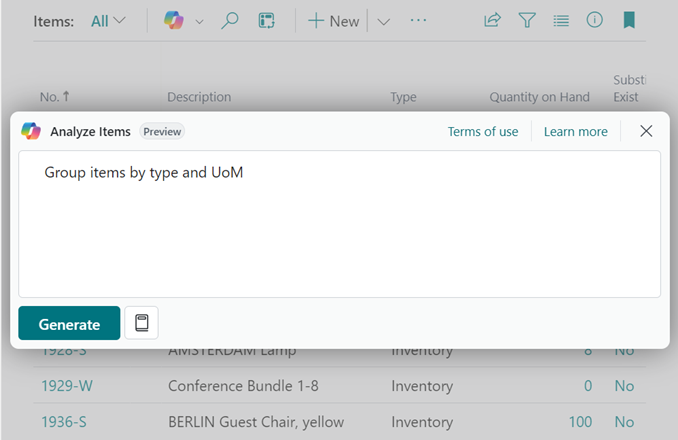
Mark Cuban's prediction aligns with a clear and accelerating trend we've been tracking in the enterprise AI space. While much media attention remains on the frontier model race between OpenAI, Anthropic, and Google, the real-world economic impact is being determined in the integration layer. This follows a pattern we noted in our coverage of Microsoft's Copilot ecosystem rollout and ServiceNow's industry-specific AI agents, where the focus shifted to customization and workflow embedding.
Cuban, through his investments and role on Shark Tank, has a front-row seat to the challenges faced by SMBs. His statement directly contradicts the narrative that AI will only benefit tech giants; instead, he posits it as a democratizing force, but one that requires a new class of technical interpreters. This connects to our previous reporting on the rise of "AI Solution Architect" roles and the funding boom for startups like Synthesia and Adept, which are building applied AI tools for specific use cases.
The scale—33 million companies—is the critical number. It defines a market that is too large and fragmented for any single vendor to dominate with a monolithic product. The winners will be platforms that empower integrators (like Retool's AI agent building blocks or Vercel's AI SDK) and the integrators themselves. The key challenge for this wave will be standardization and scalability of custom work—can integration patterns be productized, or will it remain a bespoke services business? Cuban's bet appears to be on the latter creating a sustained employment boom.
Frequently Asked Questions
What did Mark Cuban say about AI and jobs?
Mark Cuban stated that the "next job wave" will be in customized AI integration for small to mid-sized businesses. He argued that generic software is becoming obsolete because business needs are unique, and there are 33 million US companies that will need experts to tailor AI solutions for them.
What is customized AI integration?
Customized AI integration involves adapting general-purpose artificial intelligence tools and models (like large language models) to fit the specific data, processes, and goals of an individual business. This goes beyond using a standard chatbot and includes fine-tuning models on company data, connecting AI to existing software, and building custom applications to automate unique workflows.
Why is this a big opportunity for small businesses?
Small and mid-sized businesses often lack the resources to develop AI in-house but possess valuable, niche data and face specific operational inefficiencies. Custom AI integration can help them automate complex tasks, gain insights from their data, and improve customer service without needing to build technology from scratch, potentially offering a significant competitive advantage.
What kind of jobs will this AI integration wave create?
This trend is expected to create high demand for roles such as AI Integration Specialists, ML Engineers focused on light deployment, consultants who develop AI strategy for specific industries, and product managers who understand both AI capabilities and domain-specific business problems. It emphasizes hybrid skills combining technical AI knowledge with sector expertise.