Meta deployed unified AI agents to automate performance optimization at hyperscale. The system autonomously tunes infrastructure parameters across Meta's massive data-center fleet, reducing manual intervention and operational costs.
Key facts
- Meta deployed unified AI agents for hyperscale performance optimization.
- System autonomously tunes power, cooling, and workload scheduling.
- Meta's 2026 AI capex is $145B with 8,000 job cuts.
- Meta mandated 65-80% of developer code be AI-generated by mid-2026.
- Google and others also use AI for data-center optimization.
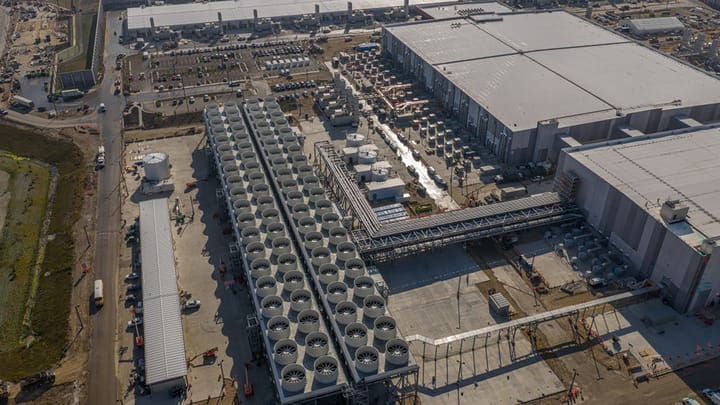
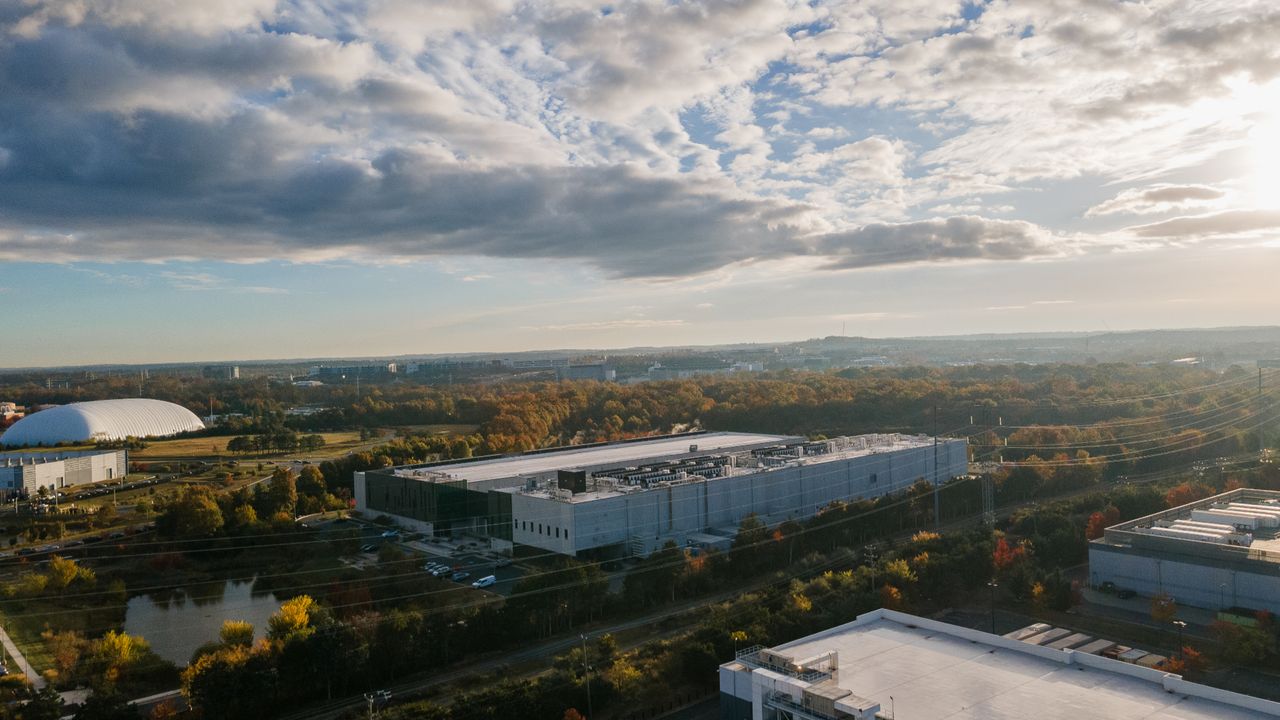
Meta has deployed unified AI agents to automate performance optimization across its hyperscale data centers, according to a report from InfoQ. The agents target infrastructure efficiency gains by autonomously tuning parameters such as power allocation, cooling, and workload scheduling, reducing the need for human operators.
How the System Works
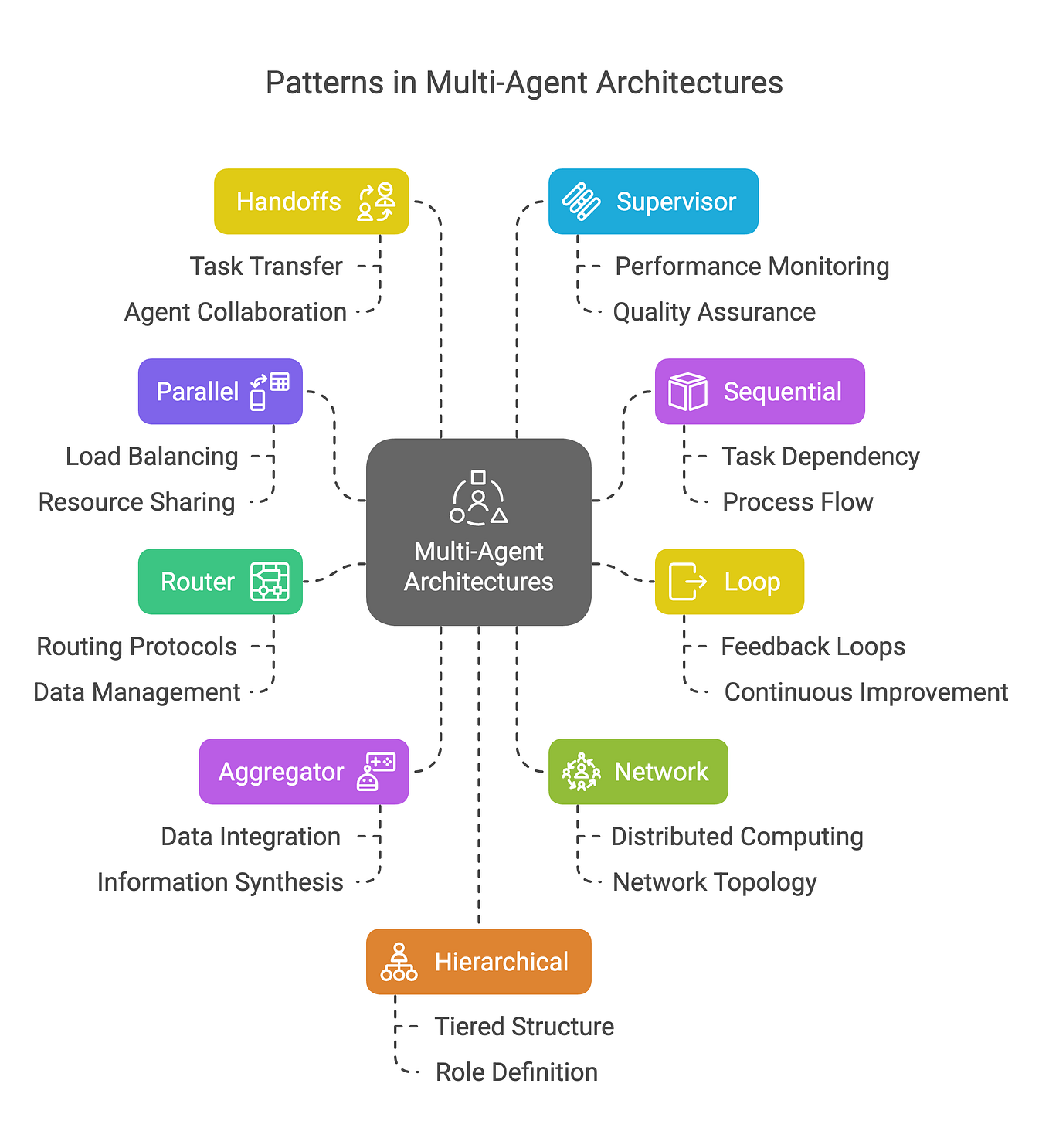
The AI agents are designed to operate across Meta's fleet of data centers, which support its social media platforms, AI training workloads, and cloud services. The system uses reinforcement learning and real-time telemetry to identify optimization opportunities and adjust configurations without human intervention. Meta did not disclose specific performance improvements or cost savings, but the deployment signals a shift toward fully autonomous infrastructure management.
The move follows Meta's earlier mandate that 65-80% of developer code must be AI-generated by mid-2026, as previously reported. This new initiative extends AI automation from code generation to the underlying hardware and operations.
Context and Industry Implications
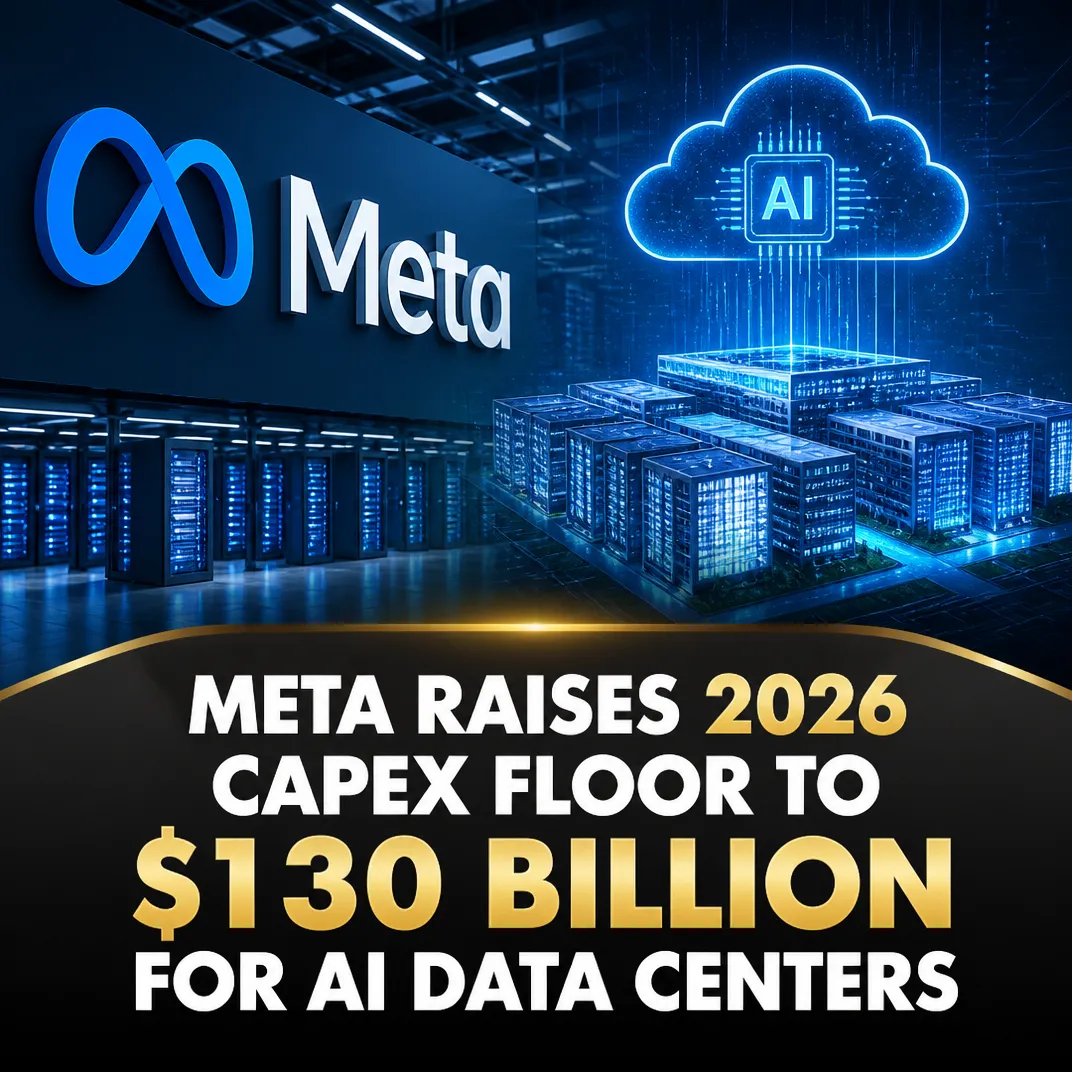
Meta's $145B AI capital expenditure plan for 2026, announced alongside 8,000 job cuts, underscores the urgency to maximize infrastructure efficiency. The AI agents could help Meta reduce operational overhead at a time when hyperscalers face mounting pressure to control costs while expanding capacity.
Google and other hyperscalers have also deployed AI for data-center optimization, but Meta's unified agent approach is notable for its ambition to cover end-to-end performance tuning. The company has not published benchmark results, making direct comparison difficult.
What This Means for the Industry

The deployment suggests that hyperscalers are moving beyond simple automation scripts toward agentic systems that can manage complex, dynamic environments. If successful, Meta's agents could set a template for other large-scale operators seeking to reduce human-in-the-loop costs.
However, the autonomous nature of the system raises questions about failure modes and safety. Meta has not detailed how it handles edge cases or prevents cascading errors from agent-driven changes.
What to watch
Watch for Meta to disclose specific performance improvements or cost savings from the AI agents in its next quarterly earnings call. Also watch whether Google or Microsoft announce similar unified agent deployments for their own data centers.