In a move that could reshape the artificial intelligence landscape, Meta has reportedly entered into a monumental $100 billion agreement with semiconductor giant AMD to secure 6 gigawatts (GW) of planned data center capacity. This unprecedented deal, revealed just one day before NVIDIA's fourth-quarter results for fiscal year 2026, represents one of the largest infrastructure commitments in technology history and signals Meta's determination to compete at the highest levels of AI development.
The Scale of the Commitment
The sheer magnitude of this agreement is difficult to overstate. At $100 billion, the deal dwarfs most technology infrastructure investments and approaches the scale of national infrastructure projects. The 6GW capacity—enough to power approximately 4.5 million homes—represents a massive expansion of Meta's computational capabilities specifically dedicated to artificial intelligence workloads.
This commitment comes as Meta continues its aggressive push into generative AI, competing with industry leaders like OpenAI, Google, and Anthropic. The company's Llama series of large language models has gained significant traction in the open-source AI community, but scaling these models to compete with proprietary offerings requires extraordinary computational resources.
Strategic Timing and Competitive Implications
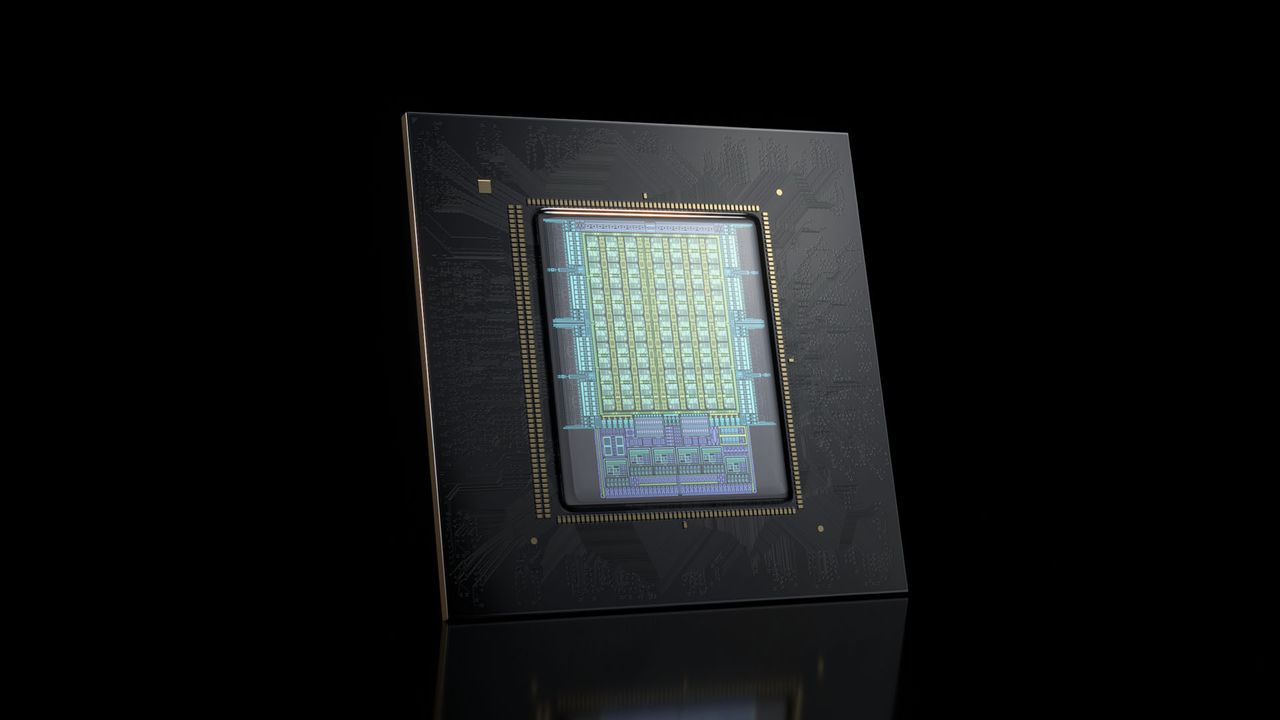
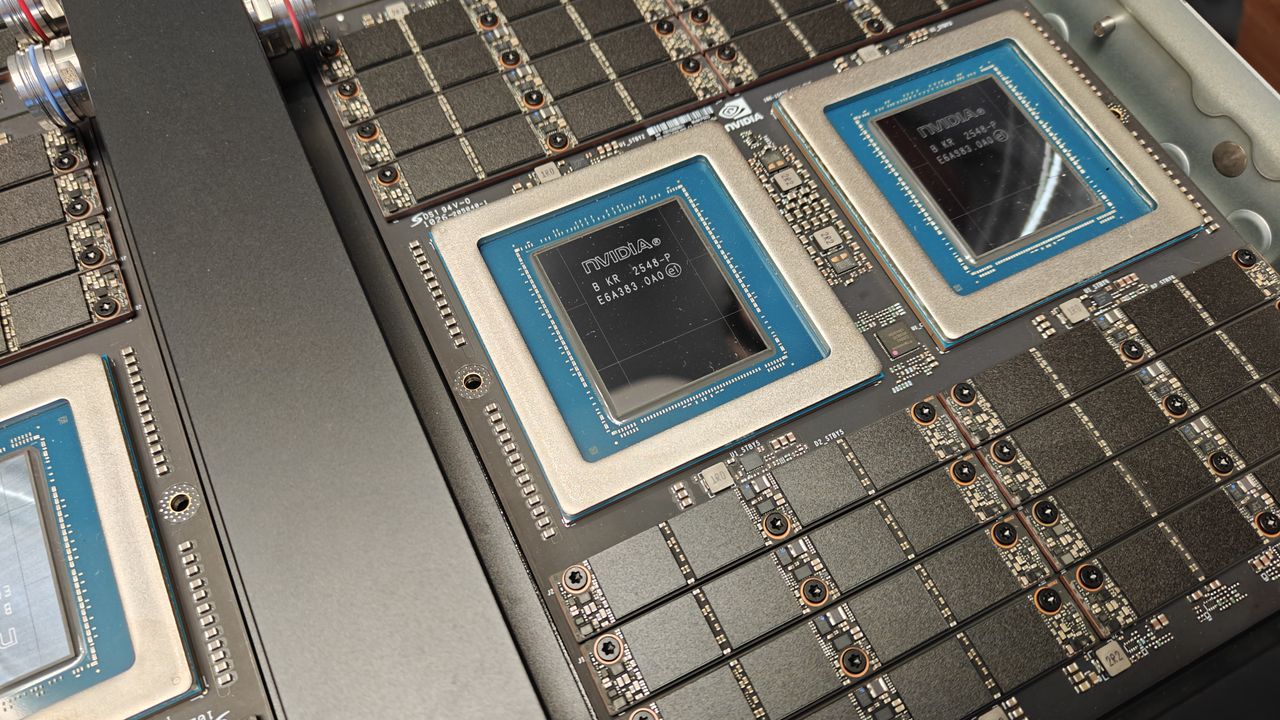
The timing of this announcement, just before NVIDIA's quarterly earnings report, sends a powerful message to the market. NVIDIA has dominated the AI chip market with its H100 and newer Blackwell architecture GPUs, creating supply constraints that have hampered many AI companies' expansion plans. By securing such a massive commitment with AMD—NVIDIA's primary competitor in the AI accelerator space—Meta is diversifying its supply chain while potentially gaining leverage in future negotiations.
This deal represents a significant win for AMD, which has been working to expand its presence in the AI accelerator market with its Instinct MI300 series. Securing Meta as a marquee customer at this scale could accelerate AMD's roadmap and validate its technology against NVIDIA's offerings.
The Infrastructure Arms Race
Meta's investment reflects a broader trend in the technology industry: an escalating arms race for AI infrastructure. As models grow larger and more complex, the computational requirements increase exponentially. Training frontier AI models now requires tens of thousands of specialized processors running for weeks or months, with inference (running trained models) demanding additional massive infrastructure.
Other tech giants have made similar, though smaller, commitments:
- Microsoft has invested billions in OpenAI's infrastructure needs
- Google continues to expand its TPU (Tensor Processing Unit) infrastructure
- Amazon is scaling its custom Inferentia and Trainium chips for AWS customers
However, Meta's $100 billion commitment sets a new benchmark for vertical integration in AI infrastructure, suggesting the company believes controlling its entire AI stack—from silicon to software—is essential for long-term competitiveness.
Technical and Logistical Challenges
Building out 6GW of data center capacity presents enormous technical and logistical challenges. Data centers of this scale require:
- Strategic geographic placement near reliable power sources and cooling solutions
- Advanced networking infrastructure to connect thousands of accelerators
- Sophisticated cooling systems to manage the immense heat generated
- Renewable energy commitments to address environmental concerns
Meta will likely distribute this capacity across multiple locations, potentially including existing data center hubs in the American Midwest, Scandinavia, and Southeast Asia. The company has previously committed to powering its operations with 100% renewable energy, meaning this expansion will likely drive significant investment in solar, wind, and other clean energy sources.
Economic and Market Implications
The economic ripple effects of this deal will be substantial. Beyond the direct investment in AMD's technology, the infrastructure build-out will create thousands of construction jobs, drive demand for specialized components, and potentially reshape energy markets in regions where these data centers are located.
For the semiconductor industry, this deal validates the enormous growth potential of the AI accelerator market. While NVIDIA currently dominates with an estimated 80% market share, Meta's commitment to AMD suggests that competition is intensifying, which could lead to more innovation and potentially lower prices for AI hardware over time.
Meta's AI Ambitions
This infrastructure investment provides crucial context for understanding Meta's AI strategy. CEO Mark Zuckerberg has repeatedly emphasized the company's commitment to building general artificial intelligence and making it openly available. The computational resources secured through this deal will support:
- Training increasingly sophisticated foundation models beyond the current Llama 3 architecture
- Powering AI features across Meta's family of applications (Facebook, Instagram, WhatsApp, Messenger)
- Developing advanced AI assistants that can compete with offerings from OpenAI and Google
- Supporting the metaverse vision, which relies heavily on AI for content generation, avatar animation, and world simulation
Environmental Considerations
A commitment of this scale inevitably raises environmental questions. 6GW of continuous power consumption represents a significant addition to global energy demand. However, Meta has been a leader in committing to sustainable data center operations, and this expansion will likely accelerate investment in:
- Next-generation cooling technologies to improve power usage effectiveness (PUE)
- Direct renewable energy procurement through power purchase agreements
- Research into more energy-efficient AI algorithms and hardware
The company will face scrutiny to ensure this massive infrastructure expansion aligns with its 2030 net-zero emissions target.
The Future of AI Competition
Meta's $100 billion AMD deal represents a watershed moment in the AI infrastructure race. It signals that the largest technology companies view computational capacity as a strategic resource as critical as talent or data. As AI models continue to scale, access to specialized hardware may become the primary constraint on innovation, giving companies with vertically integrated infrastructure significant advantages.
This investment also suggests that the AI industry is moving beyond the experimental phase into an era of industrial-scale deployment. The companies that can secure and efficiently utilize massive computational resources will likely lead the next wave of AI innovation, while those dependent on cloud providers may face cost and flexibility constraints.
Source: Initial report from @kimmonismus on X/Twitter regarding Meta's agreement with AMD, with additional context from industry analysis of AI infrastructure trends.