Nvidia, the dominant supplier of AI accelerator chips, is advancing its internal silicon photonics technology to address one of the most pressing bottlenecks in modern AI infrastructure: moving data between chips and servers at scale. While the company's GPUs provide immense computational power, the performance of AI training clusters is increasingly gated by the speed and efficiency of their interconnects. Nvidia's development of photonics-based solutions signals a strategic push to control more of the critical technology stack powering next-generation AI supercomputers.
Key Takeaways
- Nvidia is developing its own silicon photonics-based interconnects to address the growing data transfer bottleneck within AI data centers and supercomputers.
- This move is critical as AI model size and cluster scale continue to grow exponentially.
The Interconnect Bottleneck in AI Clusters
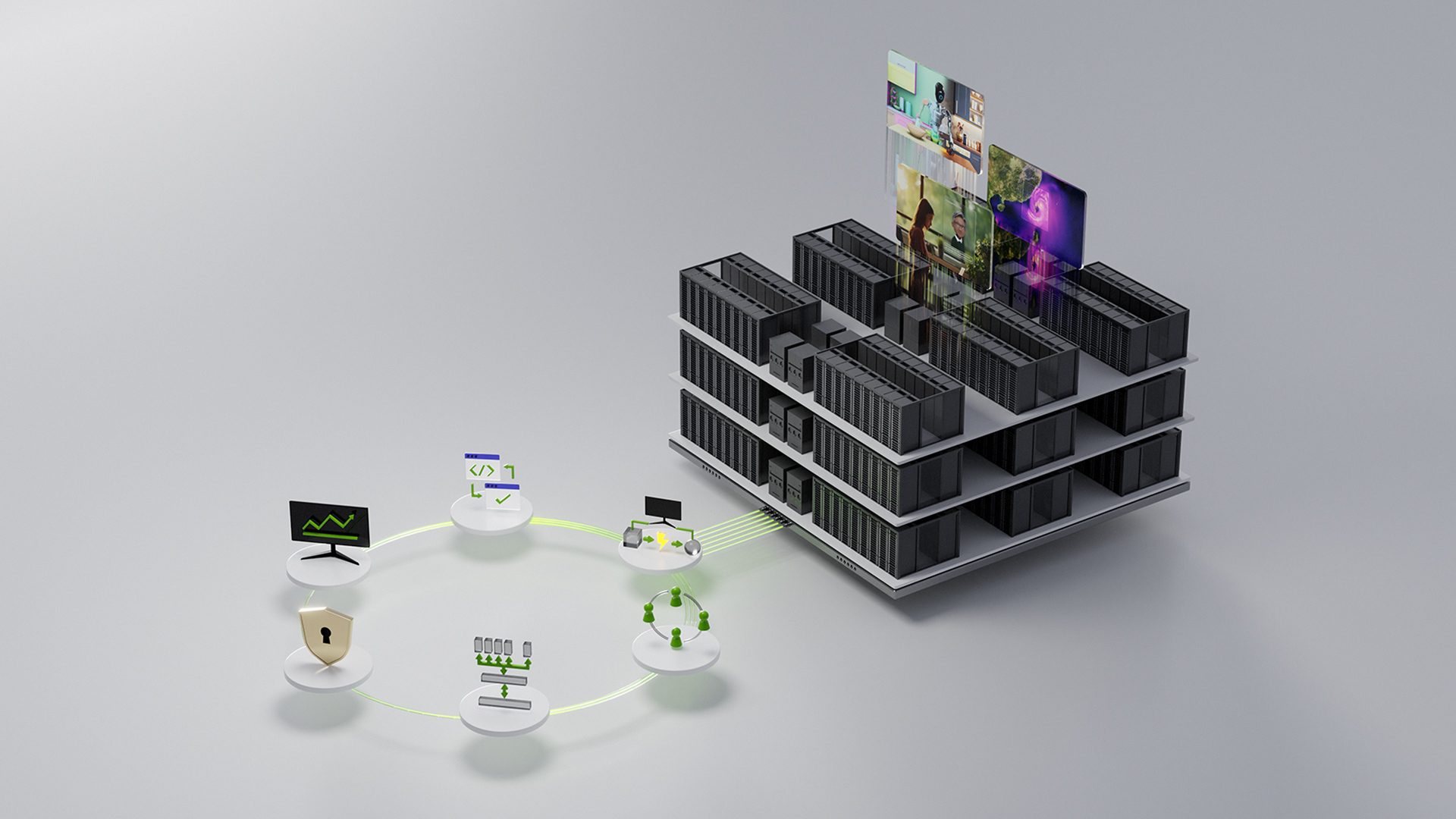
Training frontier AI models like GPT-5, Claude 4, or Gemini 2.0 requires thousands of GPUs working in concert for months. The communication links between these chips—Nvidia's NVLink for chip-to-chip and InfiniBand for server-to-server—must keep pace with the computational throughput. As model parameter counts soar into the tens of trillions, the volume of data exchanged during distributed training grows correspondingly, creating a fundamental physical limit. Electrical interconnects face challenges with bandwidth, power consumption, and distance. Silicon photonics, which uses light to transmit data, offers a path to higher bandwidth density and lower energy per bit over longer ranges within a data center.
What Nvidia is Building
While specific product details and timelines from the reported roadmap are scarce, the strategic direction is clear. Nvidia is investing in the design and likely eventual manufacturing of its own optical interconnect components. This technology integrates lasers, modulators, and detectors onto silicon chips to convert electrical signals to light and back, enabling high-speed optical data links. For Nvidia, this isn't just about buying optical transceivers; it's about co-designing photonic interconnects with its GPU and networking silicon (like the Grace CPU and Spectrum-X Ethernet platform) for optimal performance and power efficiency in AI workloads.
The Competitive and Strategic Landscape
Nvidia's move places it in direct competition with established optical component suppliers like Broadcom, Marvell, Intel (through its Silicon Photonics division), and startups like Ayar Labs. More significantly, it represents vertical integration. By bringing photonics development in-house, Nvidia aims to:
- Tighten System Integration: Optimize the entire data path from GPU memory to the optical fiber, reducing latency and jitter critical for synchronous distributed training.
- Control Roadmaps: Align interconnect development directly with GPU and network switch generations, avoiding dependency on external supplier cycles.
- Improve Margins: Capture value from a high-margin component that is becoming essential in multi-billion-dollar AI cluster sales.
This follows Nvidia's established pattern of expanding its technological moat, similar to its development of the NVLink interconnect, CUDA software platform, and acquisition of networking leader Mellanox.
Implications for AI Infrastructure
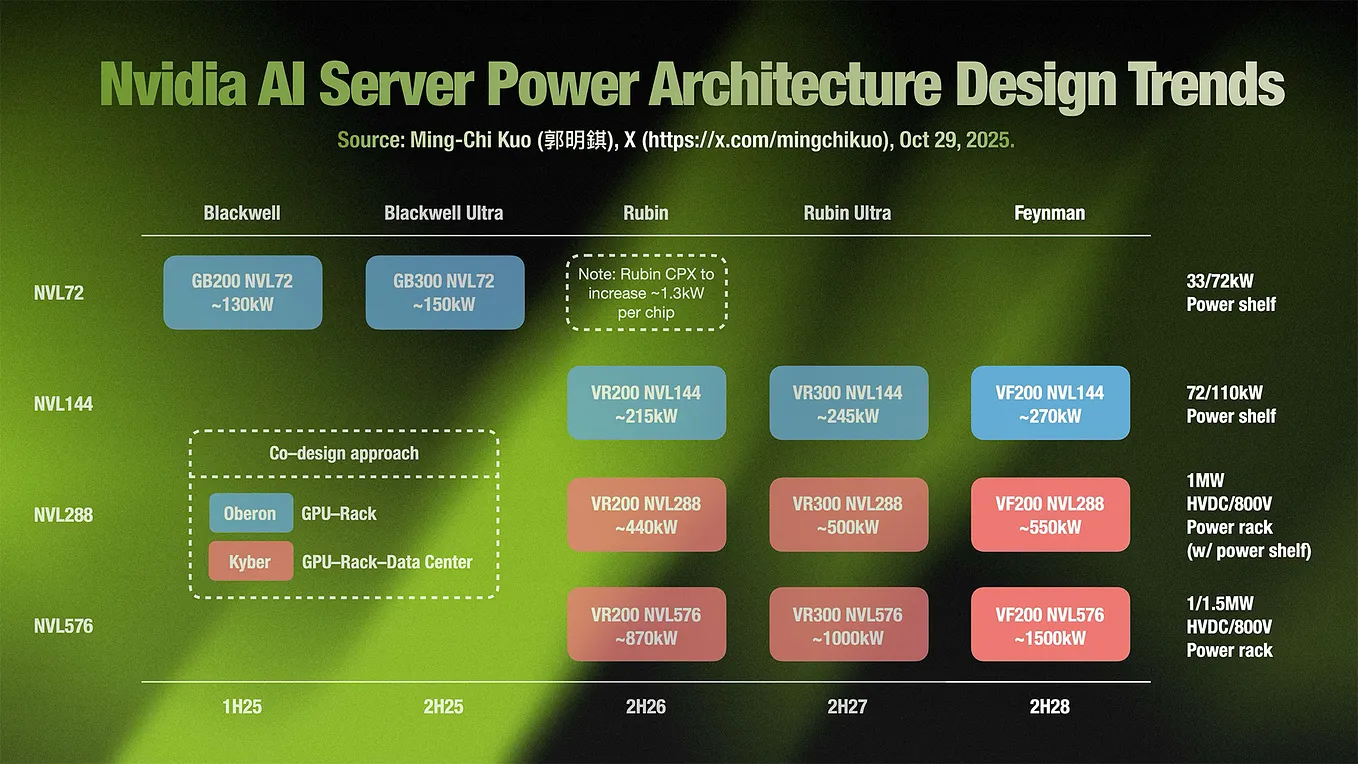
The success of silicon photonics at Nvidia scale would have tangible impacts on AI development:
- Larger Feasible Clusters: More efficient interconnects could make clusters of 100,000+ GPUs more practical and performant, enabling the next leap in model scale.
- Reduced Energy Use: Data movement is a major contributor to total data center power consumption. More efficient optical links could lower the operational cost and carbon footprint of AI training.
- Architectural Shifts: It could enable new distributed AI architectures that are less constrained by physical topology, making data center design more flexible.
The development is a long-term play. Silicon photonics design and manufacturing is complex, and integrating it into high-volume server products will take years. However, for Nvidia, the investment is a necessary hedge against a future where interconnect performance could otherwise stifle the demand for its computational engines.
gentic.news Analysis
Nvidia's silicon photonics push is a logical and defensive expansion in the high-stakes AI infrastructure war. It directly responds to the scaling challenges we've covered extensively, such as in our analysis of Google's TPU v5e and Axion CPU and AMD's Instinct MI300X launch, where interconnect bandwidth is a key differentiator. This move also aligns with a broader industry trend we noted in our piece on Cerebras' wafer-scale engine and SwarmX interconnect, where specialized, high-bandwidth networking is becoming the defining feature of AI supercomputers, not just the processors.
Critically, this isn't Nvidia's first foray into optics; its 2019 acquisition of Mellanox for $6.9 billion provided deep networking expertise and the InfiniBand portfolio. The silicon photonics effort appears to be the next-layer-down integration, aiming to own the physical layer (PHY) of the interconnect stack. If successful, it would further consolidate Nvidia's control over the AI data center, making it harder for competitors using merchant silicon—like AMD, Intel, or cloud-specific ASICs—to match the end-to-end system performance. The ultimate goal is to ensure that the value of scaling AI accrues to Nvidia's hardware ecosystem, from the transistor to the data center rack. The timeline and execution risk are substantial, but the strategic imperative is clear.
Frequently Asked Questions
What is silicon photonics?
Silicon photonics is a technology that builds optical (light-based) components on silicon wafers using similar fabrication techniques to electronic chips. It allows for the creation of miniaturized lasers, modulators, and detectors that can transmit data at extremely high speeds and over longer distances with lower power consumption compared to traditional electrical copper wires.
Why does Nvidia need its own silicon photonics?
As AI models and the clusters that train them grow, the speed of data transfer between GPUs becomes a critical bottleneck. By developing its own silicon photonics, Nvidia can co-design the optical interconnects with its GPUs and networking switches, optimizing the entire system for AI workload performance, power efficiency, and cost, rather than relying on generic components from third-party suppliers.
How does this affect other companies like Broadcom or Intel?
Nvidia's entry into silicon photonics design positions it as a potential competitor to established optical component suppliers like Broadcom, Marvell, and Intel. In the near term, Nvidia may still rely on these companies for manufacturing. Long-term, if Nvidia successfully vertically integrates, it could capture a larger portion of the value in AI cluster sales and reduce its dependence on these merchant silicon vendors.
When will we see Nvidia's silicon photonics in products?
A public product roadmap or launch date has not been announced. Developing and integrating this technology into reliable, high-volume server products is a multi-year endeavor. It will likely first appear in future generations of Nvidia's DGX supercomputers or as part of a new interconnect technology supplementing or succeeding NVLink and InfiniBand later this decade.