What Happened
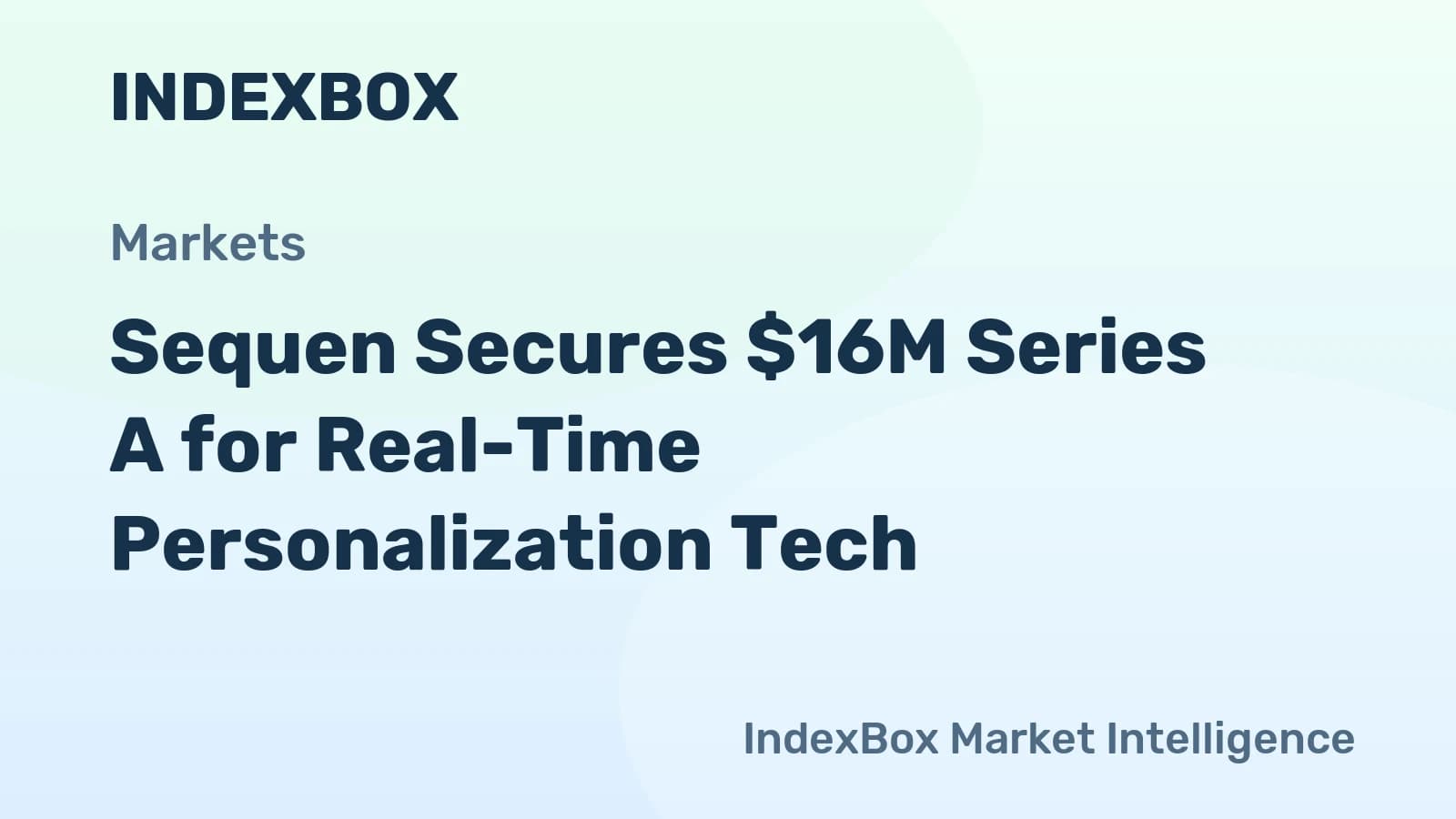
Sequen, a startup founded by former Etsy AI executive Zoë Weil, announced a $16 million Series A funding round on June 9, 2025. The investment was co-led by White Star Capital and Threshold Ventures. The company's stated mission is to bridge a critical infrastructure gap: making the sophisticated, real-time personalization and ranking technology used by tech giants like TikTok, Instagram, and YouTube accessible to large consumer brands outside the core tech industry.
At its core, Sequen offers a platform called RankTune, which provides API access to what the company terms "frontier ranking models" and real-time ranking models. The key technical differentiator is its focus on Large Event Models (LEMs). While Large Language Models (LLMs) generalize text, Sequen's LEMs are designed to generalize streams of real-time user events—clicks, scrolls, hovers, and even conversational cues within a session. CEO Zoë Weil argues that this approach moves beyond traditional recommendation systems into subtly shaping user intent over time, a capability she credits for driving a billion-dollar increase in gross merchandise volume during her tenure at Etsy.
Technical Details: The "Large Event Model" and Privacy Claim
The source material highlights several critical technical and philosophical claims from Sequen:
Real-Time, Session-Based Learning: The models learn from live user actions within a given session, not from static user profiles or historical data aggregated over long periods. This allows for personalization even with sparse initial data on a user.
Identity-Irrelevant Personalization: A central claim is that the technology is less privacy-invasive than third-party cookies or persistent tracking. Weil states, "the user’s identity is completely irrelevant." The model infers intent and context from the stream of events themselves, theoretically without needing to know who the user is. This is positioned as a privacy-forward alternative in a post-cookie regulatory landscape.
Performance: The system is engineered for speed, boasting sub-20-millisecond decision-making latency, which is critical for real-time user experiences like feeds, search rankings, and dynamic content surfaces.
Integration: The go-to-market strategy is via API. The assumption is that target Fortune 500 customers already have a relevance stack powered by an internal API; Sequen's play is to become a drop-in replacement via its RankTune API.
Retail & Luxury Implications
For luxury and retail brands, Sequen's proposition targets a fundamental pain point: achieving hyper-personalized, dynamic digital experiences at the scale and speed of social media platforms, but without building a trillion-parameter AI infrastructure in-house.
Potential Applications:
- Dynamic Site & App Experience: Personalizing the homepage, product feed, search ranking, and "You May Also Like" sections in real-time based on a user's in-session behavior, not just their purchase history. A user hovering over high-end handbags could see the site dynamically re-prioritize leather goods and related accessories.
- Content & Campaign Personalization: Adjusting the narrative, imagery, and product focus of marketing content (e.g., lookbooks, editorial content) displayed to a user based on their real-time engagement signals.
- Post-Cookie Commerce Strategy: If the technology works as described, it offers a potential path for personalization that relies less on cross-site tracking and persistent identifiers, aligning with tightening global privacy regulations (GDPR, various state laws) and the deprecation of third-party cookies.
- Unified Ranking Infrastructure: A single, sophisticated model could be used to power ranking across multiple consumer touchpoints—e-commerce site, mobile app, email product listings, and even in-store digital screens—creating a consistent, intent-driven experience.
The promise is to move from segment-based personalization ("women who bought this dress") to true session-based, intent-driven personalization ("a user currently exploring summer linen suits and Italian tailoring videos"), mimicking the addictive, relevance-driven feed mechanics of social platforms.
Business Impact & Implementation Approach
The implied business impact is direct: increased conversion rates, average order value, and customer engagement through superior relevance. Weil's cited success at Etsy provides a compelling, though not guaranteed, precedent.
Implementation would involve a technical integration project:
- API Swap: Replacing or augmenting existing internal ranking/personalization API calls with calls to Sequen's RankTune platform.
- Event Stream Integration: Instrumenting digital properties (web, app) to feed the necessary real-time event streams (view, hover, scroll, etc.) to Sequen's models.
- Model Tuning & Governance: Collaborating with Sequen to ensure the models align with brand values, merchandise hierarchy, and business rules (e.g., not discounting iconic products, maintaining brand adjacency).
The complexity is not trivial but is positioned as lower than building and maintaining a competing in-house AI team and infrastructure from scratch.
Governance & Risk Assessment
While Sequen markets its approach as privacy-forward, luxury brands must conduct rigorous due diligence:
- Data Sovereignty & Security: Where is the event data processed and stored? What guarantees exist for data handling, especially for high-value customer sessions?
- Algorithmic Bias & Brand Safety: Can the "black box" model be guided to avoid inappropriate recommendations or reinforce undesirable biases? How does the platform ensure a luxury brand's curated image isn't compromised by an overly aggressive relevance engine?
- Vendor Lock-in & Maturity: Relying on a startup's proprietary API for a core commerce function carries inherent risk. What are the service level agreements, uptime guarantees, and long-term roadmap commitments?
- True Privacy Verification: The claim that personalization works without identity needs independent verification. Brands must ensure the implementation complies with all applicable privacy laws and their own privacy promises to customers.
Sequen represents an ambitious attempt to productize and democratize the most advanced personalization AI. For retail and luxury leaders, it's a signal that the infrastructure gap is closing, but the decision to adopt requires a careful balance between the promise of TikTok-level engagement and the paramount need for brand governance, customer trust, and operational stability.