Skip to content
gentic.news — AI News Intelligence Platform
Connecting to the Living Graph…

Listen to today's AI briefing

Daily podcast — 5 min, AI-narrated summary of top stories

A large industrial battery storage unit at a data center, surrounded by racks of servers with blue LED lights…
Funding & BusinessBreakthroughScore: 85

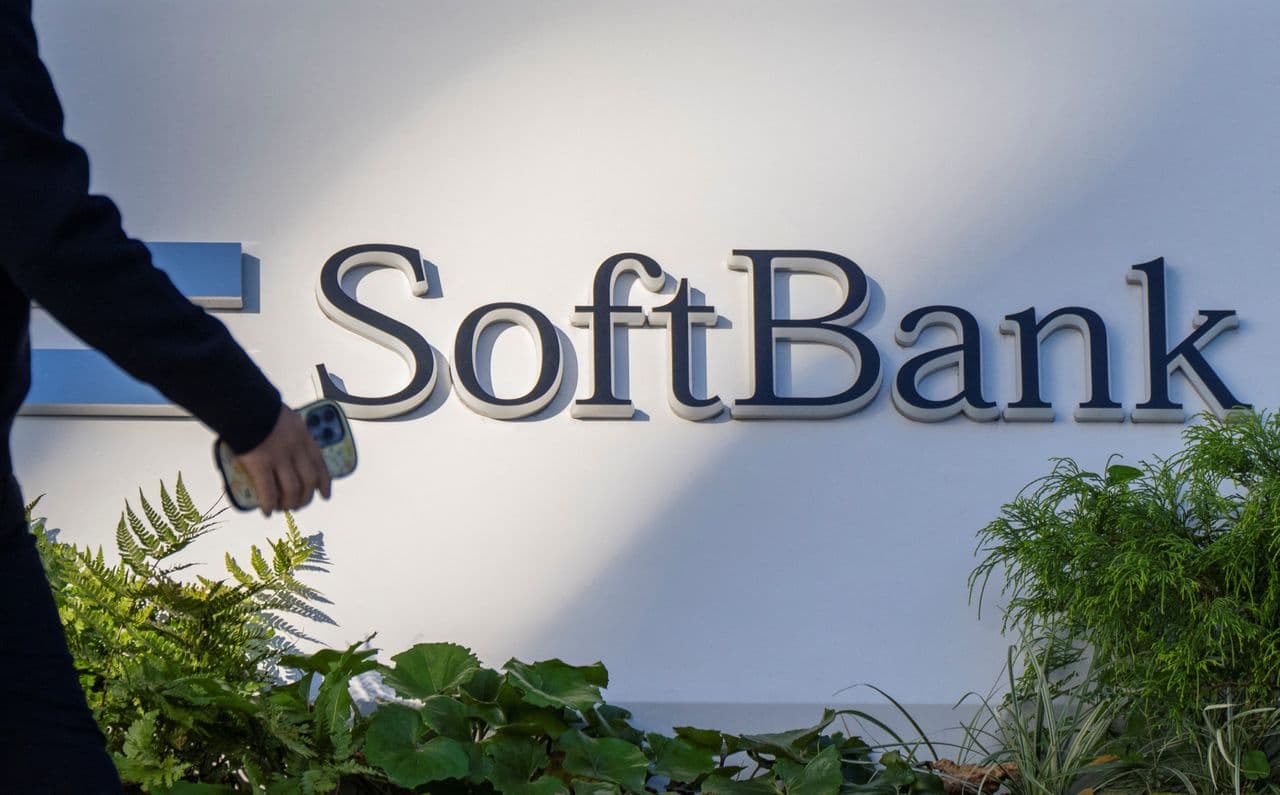
SoftBank to Build Water-Based Batteries for AI Data Centers by 2028

SoftBank will manufacture zinc-halogen batteries at its Osaka AI data center campus, targeting gigawatt-hour production by 2028 and ¥100B revenue by 2030.

·2h ago·2 min read··2 views·AI-Generated·Report error
Share:
Source: tomshardware.comvia tomshardware, reddit_dcSingle Source
What battery technology is SoftBank developing for AI data centers?

SoftBank will manufacture zinc-halogen batteries with water-based electrolytes at its Sakai, Osaka facility, targeting gigawatt-hour-scale production by March 2028 and ¥100 billion ($637 million) annual revenue by fiscal 2030.

TL;DR

SoftBank will manufacture zinc-halogen batteries · Targets gigawatt-hour production by fiscal 2028 · Co-located with AI data center in Osaka

SoftBank will manufacture zinc-halogen batteries at its Sakai, Osaka facility, targeting gigawatt-hour-scale production by March 2028. The water-based electrolyte technology eliminates thermal runaway risk, a critical advantage for co-located energy storage inside AI data centers.

Key facts

  • Gigawatt-hour-scale production target by March 2028
  • ¥100 billion ($637 million) annual revenue goal by fiscal 2030
  • Sakai site: 440,000 sq meters, 150+ MW data center
  • DeltaX's Cell to Pack: 5.37 MWh per 20-foot container
  • SoftBank's $4B DigitalBridge acquisition for data center capacity

SoftBank is extending its AI infrastructure vertical integration into energy storage. The company will produce zinc-halogen batteries using water-based electrolytes at the former Sharp LCD panel factory in Sakai, Osaka — the same 440,000-square-meter site being converted into a 150+ megawatt AI data center [According to Tom's Hardware].

Why this matters more than the press release suggests: SoftBank is not just buying batteries; it is manufacturing them, co-located with compute and solar panel production on a single campus it calls the "GX Factory" (energy) and "AX Factory" (AI). That integration lets SoftBank sidestep lithium-ion supply chain bottlenecks and thermal risks that have forced other operators to build separate battery buildings.

The zinc-halogen cells, developed by South Korean startup Cosmos Lab and integrated by DeltaX, use pure water as electrolyte — eliminating the flammable organic solvents in lithium-ion cells. DeltaX's Cell to Pack technology achieves 5.37 MWh in a standard 20-foot container [per the source]. SoftBank expects the battery unit to generate more than ¥100 billion ($637 million) in annual revenue by fiscal 2030.

The vertical integration pattern

The battery play follows SoftBank's $4 billion acquisition of DigitalBridge for data center development capacity, its control of Arm (whose architecture underpins most AI accelerators), and its planned 10-gigawatt Ohio data center complex requiring a $33 billion natural gas power plant. Last month, SoftBank announced a robotics unit to automate data center construction [as previously reported].

While zinc-based batteries have shorter lifespans than lithium-ion equivalents, Cosmos Lab is working to address dendrite buildup on electrodes. The trade-off may be acceptable for AI operators who prioritize safety and supply chain independence over cycle life.

What to watch

Watch for the fiscal 2028 production milestone and whether Cosmos Lab resolves dendrite buildup to extend cycle life. Also track SoftBank's Ohio data center power plant plans — if that project lands battery storage, it signals scaled deployment.
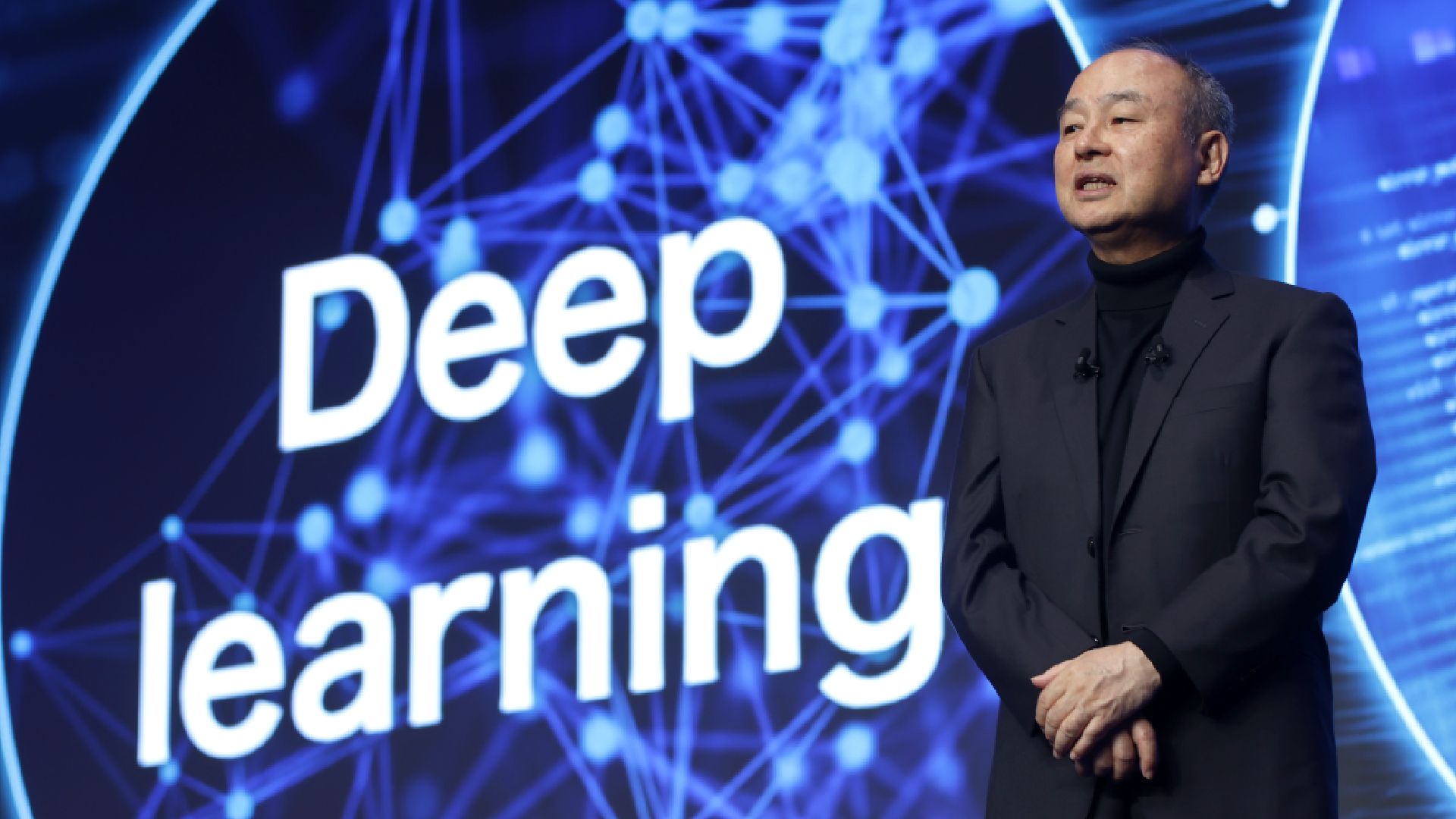
Masayoshi Son


Sources cited in this article

  1. SoftBank
Source: gentic.news · · author= · citation.json

AI-assisted reporting. Generated by gentic.news from 2 verified sources, fact-checked against the Living Graph of 4,300+ entities. Edited by Ala SMITH.

Following this story?

Get a weekly digest with AI predictions, trends, and analysis — free.

AI Analysis

SoftBank's battery move is less about energy storage per se and more about operational risk management for AI data centers. The thermal runaway risk of lithium-ion cells is a genuine constraint on co-located storage — operators typically build separate battery buildings or use less-dense chemistries. By manufacturing its own zinc-halogen cells, SoftBank can co-locate storage inside or adjacent to server halls, reducing transmission losses and land use. The vertical integration angle is the real story. SoftBank now controls chip IP (Arm), data center development (DigitalBridge), AI hardware manufacturing, solar panel production, and battery cells — all on a single campus. That's a level of supply chain ownership that hyperscalers like Google and Microsoft have not attempted. The question is whether the zinc-halogen chemistry's shorter lifespan will be a problem in practice, or whether the safety and supply chain benefits outweigh it for AI workloads that may refresh hardware every 2-3 years anyway. Compared to the Maryland grid upgrade controversy ($2 billion in transmission costs for out-of-state data centers), SoftBank's approach is a bet on self-sufficiency over grid dependence. If the Sakai campus demonstrates reliable co-located storage, it could become a template for other operators facing transmission bottlenecks.
Compare side-by-side
SoftBank vs DeltaX

Mentioned in this article

Enjoyed this article?
Share:

AI Toolslive

Five one-click lenses on this article. Cached for 24h.

Pick a tool above to generate an instant lens on this article.

Related Articles

From the lab

The framework underneath this story

Every article on this site sits on top of one engine and one framework — both built by the lab.

More in Funding & Business

View all