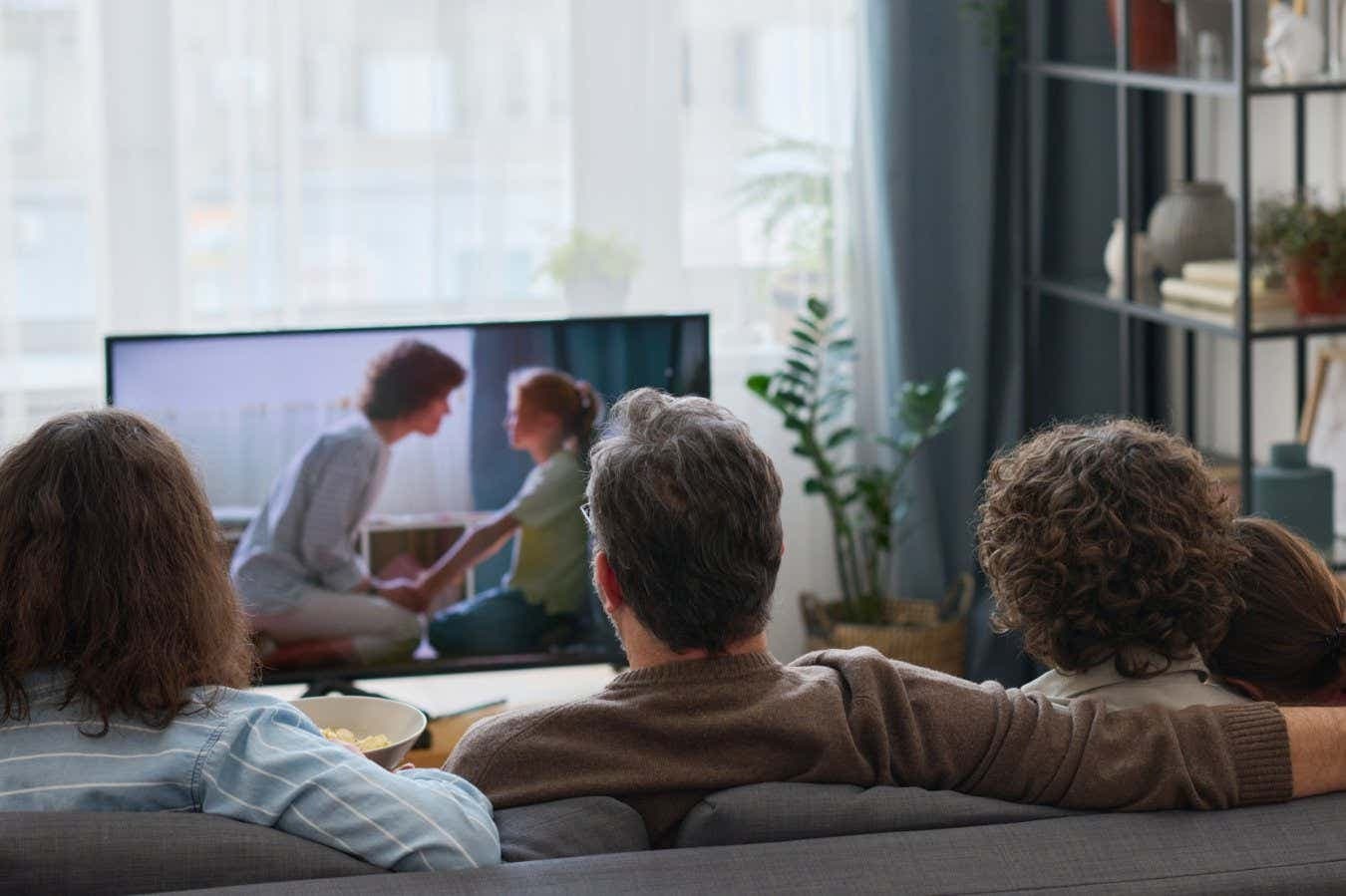
A peer-reviewed study conducted by researchers from the University of California, Davis, University College London, and Universidad Carlos III de Madrid has documented systematic screenshot capture by popular smart television brands. The findings, highlighted by security researcher Navtoor, reveal that these devices are taking periodic images of the displayed content without explicit user notification.
What the Research Found
The study, which examined the behavior of smart TVs from major manufacturers, identified two distinct capture intervals:
- Samsung TVs: Capture screenshots approximately every minute
- LG TVs: Capture screenshots approximately every 15 seconds
This capture occurs regardless of content source—including when the television is being used as a computer monitor, displaying sensitive documents, personal photos, or confidential information.
How the Screenshot System Works
The screenshot functionality is embedded in the television's operating system and appears to be tied to automated content recognition (ACR) systems. These systems analyze captured images to identify what users are watching—whether it's broadcast television, streaming services, gaming consoles, or connected devices.
The data is then used to:
- Build viewing profiles for targeted advertising
- Improve content recommendation algorithms
- Provide analytics to content providers and advertisers
- Train machine learning models for better content identification
The AI and Privacy Implications
This systematic data collection represents a significant privacy concern, particularly because:
- Continuous monitoring: The 15-second interval for LG TVs means potentially 5,760 screenshots per day of continuous use
- Lack of transparency: Most users are unaware this capture occurs, even when reviewing privacy settings
- Data sensitivity: Screenshots can capture passwords, private messages, medical information, and other sensitive data displayed on screen
- Network transmission: While the study focused on local capture, similar systems often transmit data to remote servers for processing
How to Disable Screenshot Capture
Researchers and security experts recommend checking these settings:
For Samsung TVs:
- Go to Settings → Support → Terms & Policies
- Disable "Viewing Information Services" and "Voice Recognition Services"
- Navigate to Settings → General → Privacy → Smart TV Experience and disable data collection options
For LG TVs:
- Go to Settings → All Settings → General → AI Service
- Disable "AI Recommendation" and "Voice Recognition"
- Navigate to Settings → All Settings → General → About This TV → User Agreements
- Disable "Collection of Watching Info" and "Voice Information"
General recommendations:
- Review all privacy settings during initial setup
- Consider using external streaming devices (Roku, Apple TV, etc.) instead of built-in smart TV apps
- Regularly check for firmware updates that may change privacy defaults
- Use a separate monitor for sensitive work rather than a smart TV
The Broader Context of AI Training Data Collection
This discovery comes amid increasing scrutiny of how AI systems collect training data. Smart TVs represent just one endpoint in a broader ecosystem of always-on devices that continuously gather information for machine learning applications.
Previous research has shown similar data collection practices in:
- Smart speakers analyzing ambient conversations
- Mobile devices tracking location and usage patterns
- Connected appliances monitoring household routines
What makes the TV screenshot discovery particularly concerning is the visual nature of the data and the frequency of collection—creating what amounts to a continuous surveillance system in living rooms and bedrooms.
gentic.news Analysis
This study validates long-standing concerns about the data-hungry nature of modern AI systems. The 15-second capture interval on LG TVs is particularly aggressive—more frequent than many security camera systems—and suggests these devices are optimized for maximum data extraction rather than user privacy.
From a technical perspective, the screenshot functionality represents a sophisticated edge computing implementation. These TVs are performing local image capture before (presumably) transmitting processed data or metadata to cloud systems for AI analysis. This architecture allows for continuous data collection even with intermittent internet connectivity.
This discovery should prompt several questions for the AI engineering community:
- Data minimization: Are we collecting more data than necessary for the stated purpose?
- Transparency: How can we make data collection practices more visible to users?
- Security: What protections exist for this highly sensitive visual data in transit and at rest?
- Consent: Does current opt-out methodology constitute meaningful consent for non-technical users?
The timing is notable—as AI companies face increasing regulatory pressure around training data sourcing (particularly following various copyright lawsuits), they may be leaning harder on first-party data collection through owned devices like smart TVs. This creates a concerning incentive structure where privacy violations become a competitive advantage in the race for proprietary training data.
Frequently Asked Questions
How do I know if my smart TV is taking screenshots?
Check your TV's privacy settings for terms like "Viewing Information Services," "Collection of Watching Info," or "AI Recommendation." If these are enabled, your TV is likely capturing screenshots. The study specifically confirmed this behavior on Samsung and LG models, but other brands may have similar systems.
Can these screenshots capture passwords or sensitive information?
Yes. Since the capture occurs at the display level, anything shown on screen—including passwords typed into connected devices, private messages, financial information, or confidential documents—could be captured in the screenshots. This is particularly concerning when using smart TVs as computer monitors.
Is this data collection illegal?
It depends on jurisdiction and how the data is used. Many regions require transparency about data collection and provide opt-out mechanisms. However, the buried nature of these settings and the technical complexity of understanding what's being collected may violate principles of informed consent in privacy regulations like GDPR or CCPA.
Will disconnecting my TV from the internet stop the screenshot capture?
Disconnecting from the internet may prevent data transmission to remote servers, but the local capture functionality is embedded in the TV's firmware and may continue operating. The only way to reliably disable it is through the privacy settings described above, and even then, some basic functionality may require re-enabling certain data collection features.