Key Takeaways
- Talkie is a new 'vintage language model' trained on 260 billion tokens of historical English text from before 1931, developed by a team including Alec Radford, co-author of the original GPT paper.
- It offers a unique linguistic artifact for NLP research.
What's New
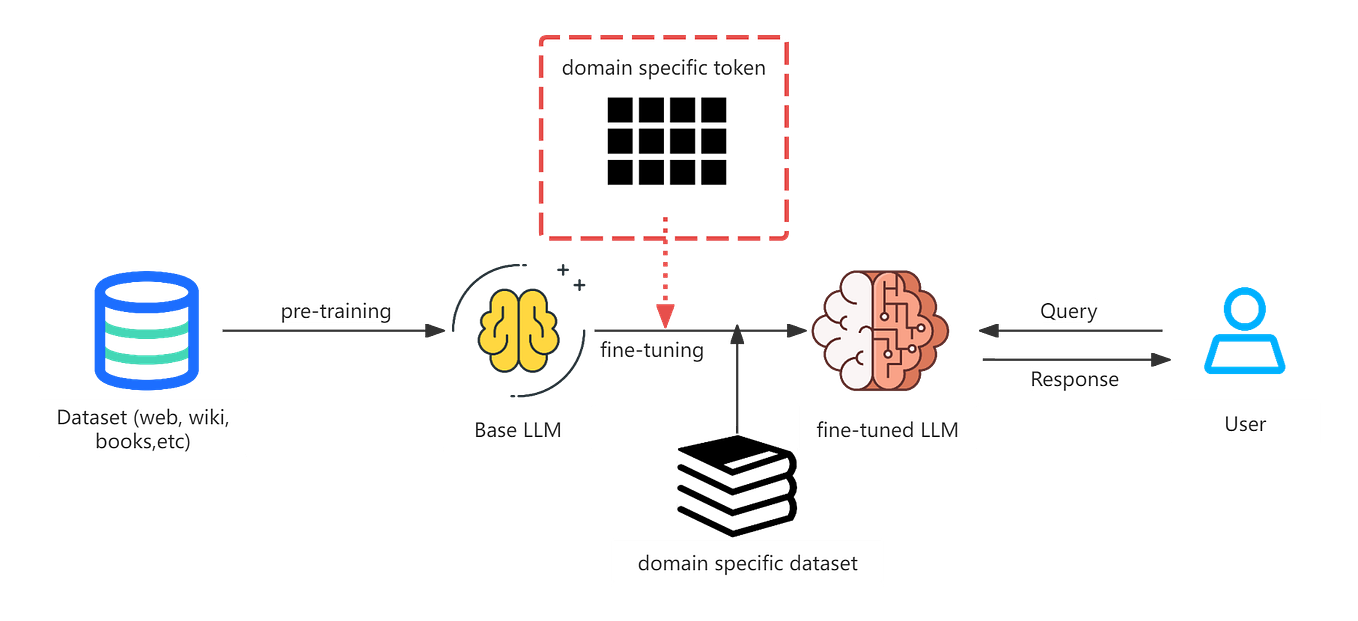
A team including Alec Radford — yes, that Alec Radford, co-author of the original GPT and GPT-2 papers — has released a new language model called Talkie. Described as a "vintage language model," Talkie was trained exclusively on 260 billion tokens of historical English text from before 1931.
The announcement came via a tweet from Simon Willison, who shared his notes on the model. The project appears to be an exploration of what happens when you restrict training data to a specific historical period, creating a model that speaks in the language of the early 20th century and earlier.
Technical Details
While full technical details are still emerging, the key specifications shared are:
Training data 260B tokens of pre-1931 English text Team Includes Alec Radford (OpenAI alumni, co-author of GPT) Model type Language model (architecture details TBD) Data scope Historical English only, cutoff 1931The 260 billion token dataset is substantial — comparable in scale to the training data used for early GPT models, but with a deliberate temporal constraint. This means Talkie has never seen text about the internet, modern politics, contemporary slang, or any post-1930 cultural references.
Why It Matters

Talkie is a fascinating research artifact for several reasons:
Linguistic preservation: It captures the vocabulary, grammar, and stylistic norms of English from a specific historical era. This could be useful for historians, linguists, and literary scholars studying language change over time.
Controlled training data: Most LLMs are trained on web-scale data spanning decades. Talkie's temporal constraint allows researchers to study how a model's knowledge and behavior are shaped by its training period.
Alec Radford's involvement: Radford was instrumental in developing the GPT architecture at OpenAI. His involvement suggests this isn't just a toy project — it may represent a serious research direction in constrained-domain language modeling.
What to Watch
- Availability: It's unclear if Talkie will be released publicly, as an API, or remain a research-only project.
- Benchmarks: No performance metrics have been shared yet. How does a vintage model perform on modern NLP benchmarks? It will likely struggle with contemporary references but may excel at historical text understanding.
- Applications: Potential use cases include historical document analysis, period-accurate text generation for media, and studying linguistic drift.
Frequently Asked Questions
Who is Alec Radford?
Alec Radford is a researcher known for co-authoring the original GPT paper at OpenAI, as well as GPT-2 and other foundational language model work. His involvement in Talkie signals this is a serious research effort.
What does "vintage language model" mean?
A vintage language model is trained exclusively on text from a specific historical period — in this case, pre-1931 English. It does not have knowledge of modern events, technology, or language.
How big is 260 billion tokens?
260 billion tokens is roughly comparable to the training data size of early GPT models. For context, GPT-2 was trained on about 40GB of text; 260B tokens would be significantly larger.
Where can I try Talkie?
As of now, no public demo or API has been announced. The project appears to be in an early research phase.