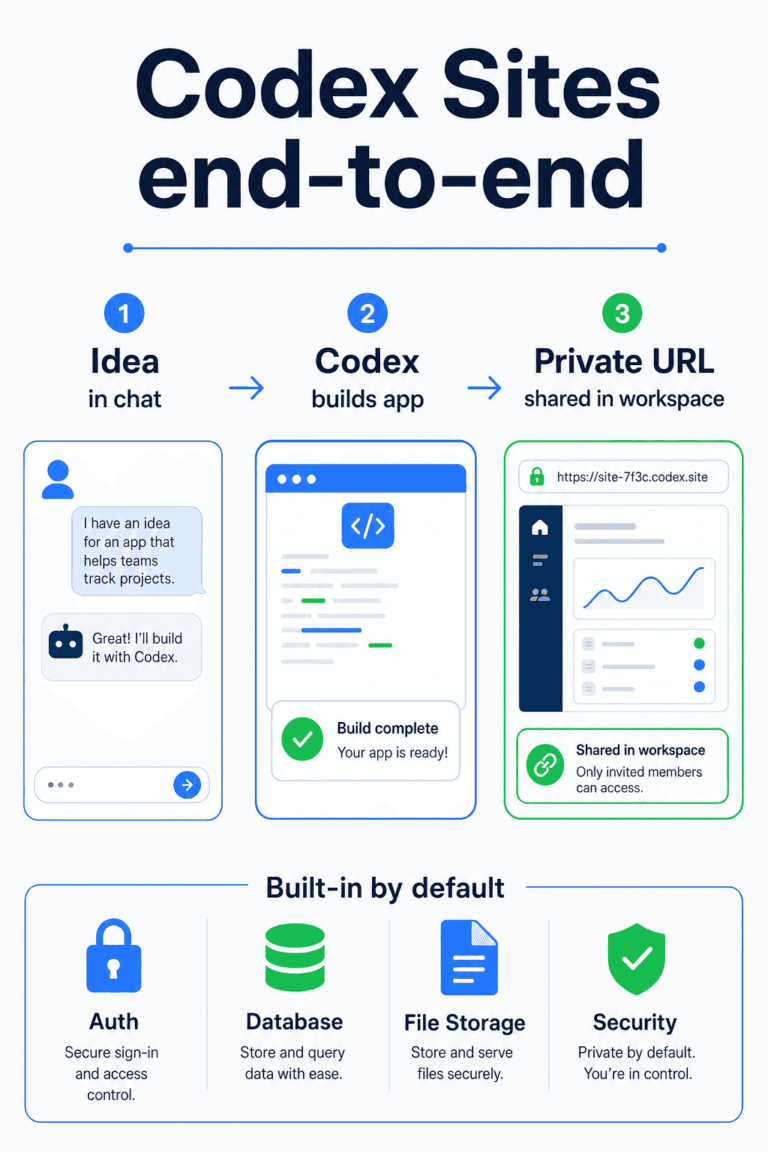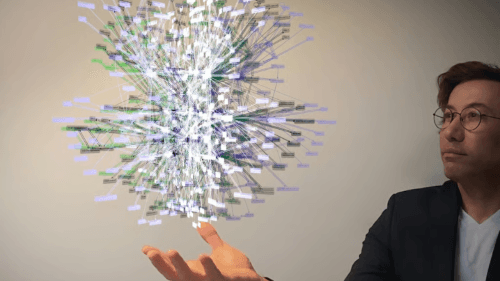
For decades, software development teams have been plagued by the same fundamental collaboration problems: version conflicts, sync errors, and the endless Slack messages asking "who has the latest collection?" These friction points have slowed development cycles, introduced bugs, and created unnecessary complexity in team workflows. Now, a new generation of AI-powered collaboration tools is promising to eliminate these pain points entirely by creating real-time shared workspaces where everyone works from the same live state.
The Traditional Collaboration Bottleneck
Traditional development workflows have relied on a patchwork of tools that don't seamlessly integrate. Version control systems like Git, while revolutionary in their own right, still require manual merging, create conflicts when multiple developers work on the same files, and necessitate constant synchronization. Project management tools, communication platforms, and development environments exist in separate silos, forcing developers to constantly context-switch and manually transfer information between systems.
This fragmentation creates what developers have come to accept as inevitable overhead: the time spent resolving merge conflicts, the uncertainty about which version represents the current "source of truth," and the communication overhead required to keep everyone aligned. According to various industry surveys, developers spend anywhere from 20-30% of their time on these coordination activities rather than actual coding.
The AI-Powered Real-Time Solution
The emerging solution, as highlighted in recent demonstrations, leverages artificial intelligence to create truly synchronized development environments. These platforms go beyond simple real-time document editing (like Google Docs for code) to create comprehensive shared workspaces where the entire development state—code, configurations, dependencies, and even runtime environments—exists as a single, unified entity accessible to all team members simultaneously.
Key features of these AI-enhanced collaboration platforms include:
- Live State Synchronization: All changes are immediately visible to everyone, eliminating the concept of "local versions" that need to be manually merged
- Conflict Prevention: AI algorithms predict and prevent conflicts before they occur, rather than requiring resolution after the fact
- Context Awareness: The system understands the relationships between different components and can propagate changes intelligently
- Integrated Communication: Discussion and collaboration happen within the context of the work itself, reducing the need for external communication tools
Technical Implementation and Architecture
Building such systems requires sophisticated technical foundations. Most platforms achieving this level of real-time collaboration utilize operational transformation (OT) or conflict-free replicated data types (CRDTs)—mathematical models that enable consistent state across distributed systems. When combined with AI, these systems can do more than just synchronize changes; they can understand the intent behind changes and optimize how they're integrated.
The AI components typically handle several critical functions:
- Intent Recognition: Understanding what a developer is trying to accomplish with their changes
- Conflict Prediction: Identifying potential integration issues before they become actual conflicts
- Automated Resolution: Suggesting or implementing resolutions for the rare conflicts that do occur
- Workflow Optimization: Learning team patterns and optimizing the collaboration experience accordingly
Implications for Development Teams
The shift toward real-time collaborative development environments represents more than just a technical improvement—it fundamentally changes team dynamics and workflows. With everyone working from the same live state, several traditional roles and processes become obsolete or transformed:
- Code Review: Instead of asynchronous pull requests, review can happen continuously as code is written
- Onboarding: New team members can immediately see and understand the current state of the project
- Debugging: Multiple developers can investigate issues simultaneously in the exact same environment
- Knowledge Sharing: Tribal knowledge becomes embedded in the system rather than scattered across individual team members
This approach also democratizes development by lowering barriers to contribution. Junior developers can observe senior developers working in real-time, learning techniques and patterns directly. Cross-functional team members (designers, product managers, QA engineers) can interact with the development environment without needing deep technical expertise.
Challenges and Considerations
Despite the clear benefits, real-time collaborative development platforms face significant challenges:
- Performance: Maintaining real-time synchronization across complex codebases requires significant computational resources
- Privacy and Security: All code being immediately visible to all team members raises questions about access control and intellectual property protection
- Learning Curve: Teams accustomed to traditional workflows may struggle to adapt to the new paradigm
- Tool Integration: These platforms must integrate with existing development ecosystems or risk becoming yet another siloed tool
Additionally, there are philosophical questions about whether complete transparency is always desirable. Some development practices, like experimentation and prototyping, might benefit from periods of isolated work before sharing with the team.
The Future of Collaborative Development
As these platforms mature, we can expect them to incorporate increasingly sophisticated AI capabilities. Future developments might include:
- Predictive Collaboration: AI suggesting which team members should work together based on their skills and the project needs
- Automated Documentation: Real-time generation of documentation based on development activity
- Intelligent Testing: Automatic test generation and execution as code changes
- Cross-Platform Synchronization: Seamless integration between different types of development work (frontend, backend, infrastructure)
The ultimate goal is creating what some are calling "collective intelligence environments"—systems where the combined knowledge and capabilities of the entire team are greater than the sum of individual contributions. In such environments, the distinction between individual work and team collaboration becomes increasingly blurred, potentially leading to entirely new models of software creation.
Source: Based on demonstration and discussion from @hasantoxr showing real-time shared development workspaces that eliminate version conflicts and synchronization issues.
Industry Adoption and Case Studies
Early adopters of these real-time collaboration platforms report significant improvements in development velocity and team satisfaction. Teams that have transitioned to these systems typically report:
- 30-50% reduction in time spent on merge conflicts and synchronization issues
- Improved code quality through continuous review and immediate feedback
- Faster onboarding for new team members
- Reduced context switching between different tools and platforms
However, successful adoption requires more than just implementing new technology—it requires rethinking team processes and cultural norms around collaboration. The most successful transitions involve gradual implementation, starting with small pilot projects before scaling to entire organizations.
Conclusion
The move toward AI-powered real-time collaborative development environments represents one of the most significant shifts in how software is created since the advent of version control systems. By eliminating the friction points that have long plagued development teams, these platforms promise to unlock new levels of productivity and innovation. While challenges remain in implementation and adoption, the direction is clear: the future of software development is collaborative, synchronous, and intelligent.
As these tools continue to evolve, they may fundamentally change not just how developers work, but how we conceptualize the relationship between individual creativity and team collaboration in the digital age. The era of "who has the latest version?" may soon be remembered as a historical curiosity rather than a daily frustration.