What's New

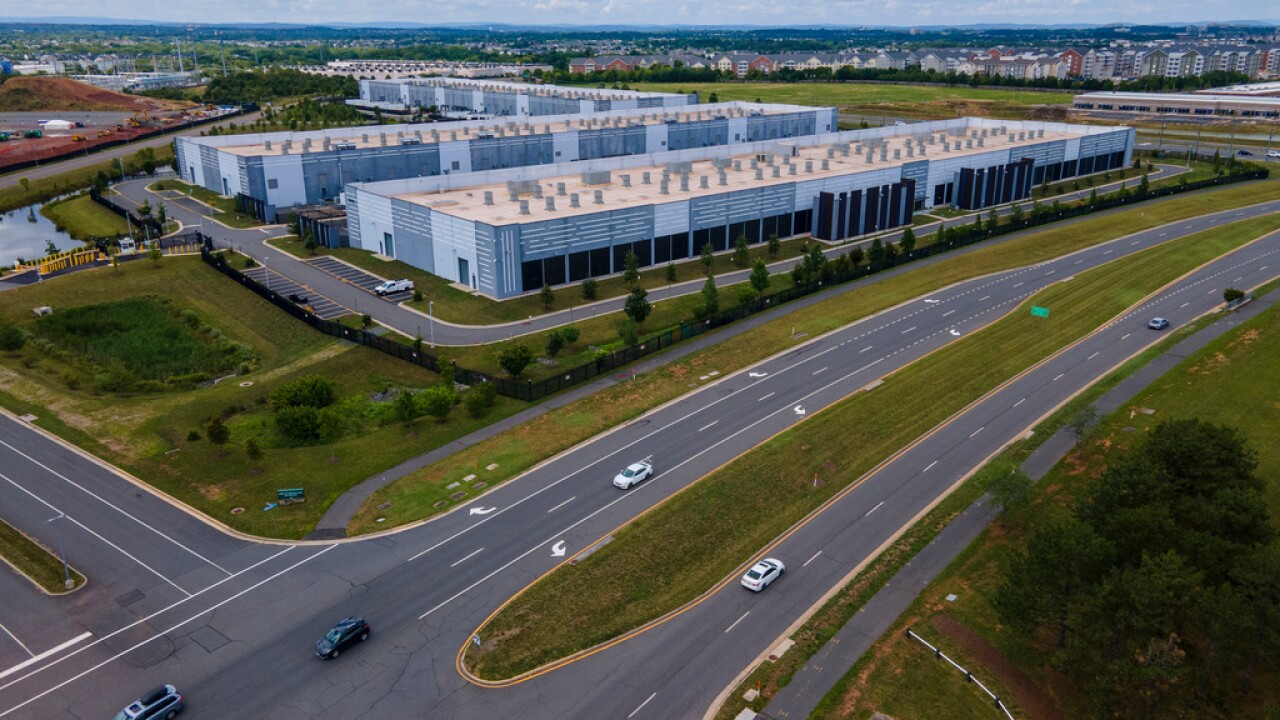
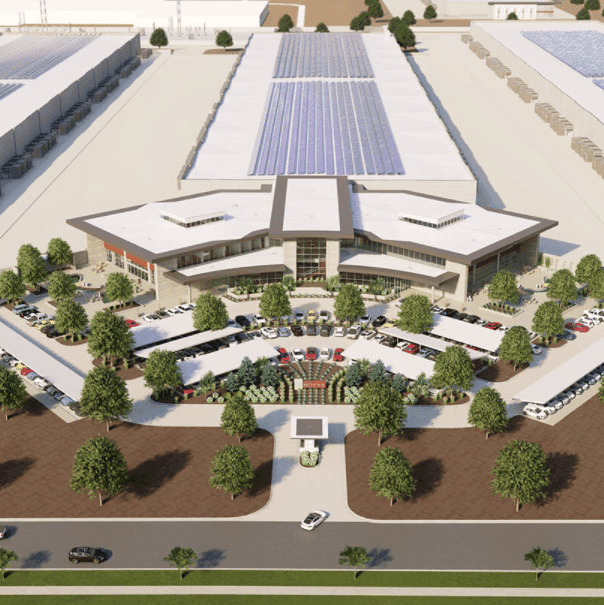
Kevin O'Leary's O'Leary Digital is developing a proposed 'hyperscale' data center in rural Box Elder County, Utah, that would generate and consume more power than the entire state. The project is nearing approval, according to a report from the Salt Lake Tribune.
The data center's scale is unprecedented for Utah, potentially matching or exceeding the state's total electricity consumption. This reflects the massive energy demands of modern AI infrastructure, where training and inference for large language models require enormous compute resources.
Technical Details
While specific technical specifications were not disclosed in the source, hyperscale data centers typically range from 100 megawatts to over 1 gigawatt in power capacity. For context, Utah's total electricity consumption was approximately 30,000 gigawatt-hours annually as of 2024, meaning this facility could represent a significant fraction of that.
The facility's power generation capability suggests on-site energy production, likely from natural gas or renewable sources, to support continuous operation. This aligns with industry trends where AI infrastructure developers increasingly build dedicated power plants to ensure reliability and cost control.
How It Compares
This project mirrors the broader AI infrastructure boom. As we reported on April 18, 2026, global datacenter capital expenditure has reached $250-300 billion annually, equivalent to 5-7 Manhattan Projects per year. Utah's hyperscale center is part of this wave, where companies race to secure energy resources for AI workloads.
Compared to other hyperscale projects, such as those from Meta (which expanded its Broadcom partnership for AI infrastructure on April 14, 2026) or Nvidia's focus on cost per token (April 15, 2026), O'Leary's project is notable for its developer — a celebrity investor rather than a traditional tech giant. However, the energy scale matches or exceeds typical hyperscale deployments.
What to Watch

Key concerns include:
- Environmental impact: Power generation at this scale raises questions about carbon emissions and water usage. Utah's regulatory process will likely scrutinize these factors.
- Grid integration: Whether the facility operates independently or connects to the existing grid could affect local energy prices and reliability.
- Economic benefits: Job creation and tax revenue for Box Elder County versus potential strain on local resources.
- Approval timeline: The project is nearing approval but faces public hearings and potential legal challenges.
Frequently Asked Questions
Where will the Utah hyperscale data center be located?
The proposed data center is in rural Box Elder County, Utah, north of Salt Lake City. Specific site details have not been fully disclosed.
Who is developing the Utah data center?
Kevin O'Leary, known from "Shark Tank," is leading the project through his company O'Leary Digital. O'Leary has been active in AI and digital infrastructure investments.
How much power will the data center consume?
The facility is designed to generate and consume more power than the entire state of Utah. Exact wattage figures have not been released, but hyperscale data centers typically range from 100 MW to over 1 GW.
When will the Utah hyperscale data center be completed?
The project is nearing regulatory approval as of April 2026. Construction timelines have not been announced, but similar projects take 2-4 years from approval to operation.
gentic.news Analysis
This development underscores a critical tension in AI infrastructure: the energy demands of training and inference are growing faster than grid capacity. As we noted on April 17, 2026, the DOE is seeking input on AI infrastructure for federal lands, indicating government recognition of this challenge. O'Leary's Utah project, while privately developed, faces similar regulatory hurdles.
The choice of rural Utah is strategic. Box Elder County offers land availability, potential tax incentives, and proximity to existing power infrastructure. However, the facility's self-generation capability suggests the developer anticipates grid limitations or wants to avoid utility bottlenecks. This aligns with Nvidia's emphasis on cost per token (April 15, 2026), where energy accounts for a growing share of total cost.
From a business perspective, O'Leary's entry into hyperscale development is notable. Unlike Meta or Broadcom partnerships (April 14, 2026), this project is led by a celebrity investor, which could signal increased interest from non-traditional players in AI infrastructure. However, the technical and regulatory complexity of operating at this scale is immense — O'Leary Digital will need deep expertise in power generation, cooling, and networking.
The project's approval will be a bellwether for similar hyperscale developments across the US. If Utah approves, it could set a precedent for other states balancing economic development against environmental and grid concerns. Conversely, rejection would signal growing resistance to AI infrastructure's resource appetite.
[Updated 30 Apr via gn_ai_data_center]
The project's scale is far larger than initially reported: the campus will generate and consume 9 gigawatts of power, more than twice Utah's total electricity consumption, according to Tom's Hardware. The facility has already received regulatory approval, marking a significant milestone for the development.