Walmart now wants to be the plumber for your local convenience store
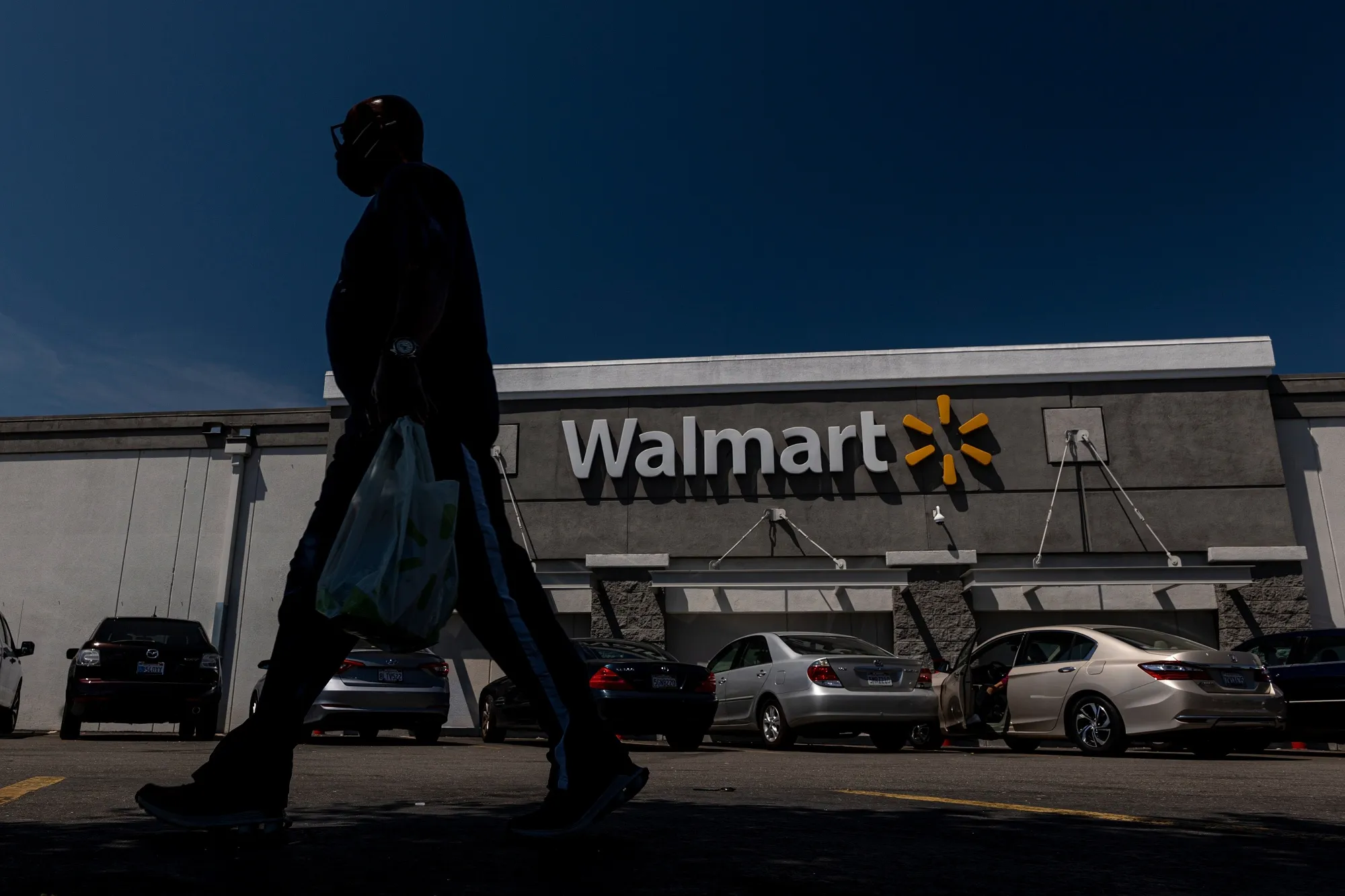
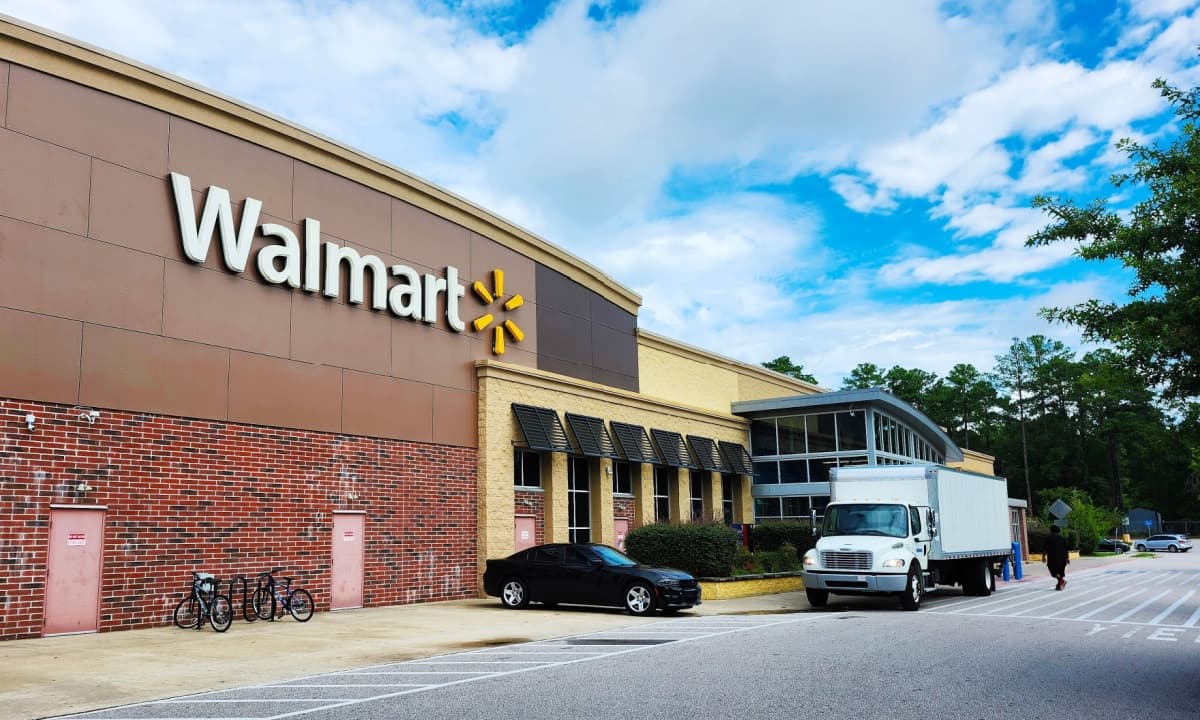
Walmart is quietly building a new business-to-business (B2B) arm that has nothing to do with selling goods. According to a report from Modern Retail, the retail giant is now offering facilities management services — including plumbing, electrical work, and general maintenance — to local convenience stores and other small businesses.
This isn't a pilot or a whisper of a future plan. Walmart is actively marketing these services, leveraging its existing vendor relationships and operational infrastructure to become a one-stop shop for store maintenance. The move signals a strategic pivot: Walmart sees its physical infrastructure and supply chain not just as a cost center for its own stores, but as a revenue-generating asset it can rent out to competitors and adjacent businesses.
The Innovation — What the source reports
The core of the service is straightforward: Walmart will dispatch technicians to handle repairs, maintenance, and facilities management at third-party locations. This includes everything from fixing a leaky pipe at a corner store to replacing electrical wiring at a local market.
Walmart's advantage is scale. The company already manages a massive network of its own stores and has deep relationships with vendors for everything from HVAC systems to cleaning supplies. By extending those vendor contracts and logistics to outside businesses, Walmart can offer competitive pricing that local mom-and-pop shops couldn't negotiate on their own.
The service is being positioned as a way for small businesses to access the same level of facilities management that big-box retailers take for granted — without having to hire their own in-house maintenance teams or negotiate with multiple contractors.
Why This Matters for Retail & Luxury
At first glance, this seems far removed from the world of luxury retail. But the strategic logic is relevant to any retailer with physical locations:
1. Infrastructure as a service. Walmart is monetizing what was previously a pure cost center. Luxury retailers with extensive store networks (think LVMH's hundreds of boutiques, or Kering's global retail footprint) should ask themselves: what operational capabilities could we offer to smaller players? The answer might include logistics, visual merchandising compliance, or even security services.
2. Vendor leverage. Walmart's ability to offer competitive facilities pricing comes from its purchasing power. For luxury conglomerates, this dynamic is reversed — their smaller number of high-end stores means less leverage. But the principle holds: if you're already paying for a nationwide maintenance contract, could you sublet that capacity to adjacent businesses?
3. The data play. Every maintenance call generates data: which equipment fails most often, which regions have the most issues, which vendors are reliable. For Walmart, this is data about the physical retail ecosystem. For luxury, similar data could inform store design, material selection, and even product durability.
Business Impact
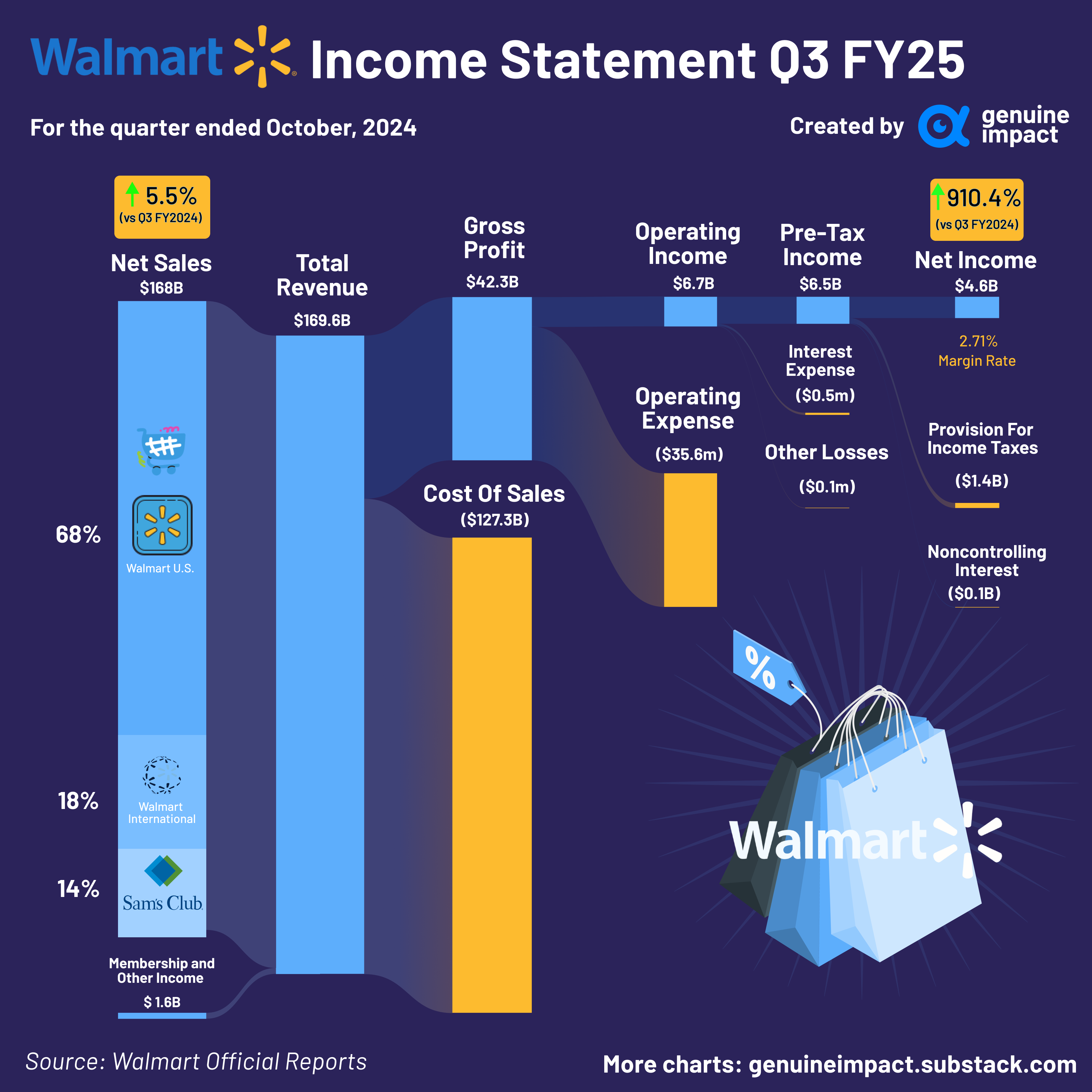
The immediate financial impact is modest — facilities management is a low-margin business. But the strategic implications are significant:
- New revenue stream: Walmart creates a recurring services revenue that isn't tied to consumer spending cycles.
- Competitive moat: By embedding itself into the operations of smaller retailers, Walmart becomes harder to displace.
- Data advantage: Maintenance data across thousands of stores (Walmart's own plus third-party) could inform everything from real estate decisions to vendor negotiations.
For luxury retailers, the direct lesson is less about copying the model and more about the mindset: your operational infrastructure has value beyond its primary purpose.
Implementation Approach
Walmart's approach leverages existing assets:
- Existing vendor contracts: Renegotiate with current maintenance vendors to cover third-party locations.
- Logistics network: Use Walmart's distribution infrastructure to deliver parts and supplies.
- Digital platform: Provide a booking and tracking system (likely via Walmart Business, its B2B e-commerce arm).
For a luxury retailer to replicate this, they would need:
- A centralized vendor management system
- Geographic coverage that justifies third-party sales
- A digital platform for scheduling and payment
Governance & Risk Assessment
- Brand risk: A maintenance failure at a third-party store could still be associated with Walmart's brand.
- Liability: Working in other people's buildings introduces new liability vectors.
- Data privacy: Maintenance data from competitors could raise antitrust concerns if misused.
- Maturity: This is early stage — expect iterative scaling.
gentic.news Analysis
This is a fascinating example of Walmart's broader strategy to become a platform, not just a retailer. The company has already launched Walmart Business for B2B procurement, Walmart GoLocal for last-mile delivery, and Walmart Fulfillment Services for third-party logistics. Facilities management is the next logical extension: once you own the supply chain, the delivery network, and the store operations, offering maintenance services is a small step.
For luxury retailers, the takeaway is strategic, not tactical. The question isn't "should we offer plumbing services?" — it's "what hidden assets in our operations could generate revenue if we thought of them as products?" For a company like LVMH, that might mean offering visual merchandising expertise to smaller luxury brands, or selling access to its logistics network for transporting high-value goods. For Richemont, it could mean offering security and authentication services to the broader jewelry market.
Walmart's move also highlights a trend we've covered before: the blurring line between retailer and service provider. As we noted in our analysis of Amazon's expansion into third-party logistics, the most valuable retail companies of the next decade may not be the ones that sell the most products — they'll be the ones that provide the best infrastructure for others to sell products.
Walmart is demonstrating that even the most mundane operational capability — fixing a toilet — can be turned into a business if you have the scale and the platform mindset.