Key Takeaways
- Mind Games, a chess-inspired luxury fragrance brand, achieved $28.9M in 2025 US sales with 56% YoY growth despite having no dominant hero SKU.
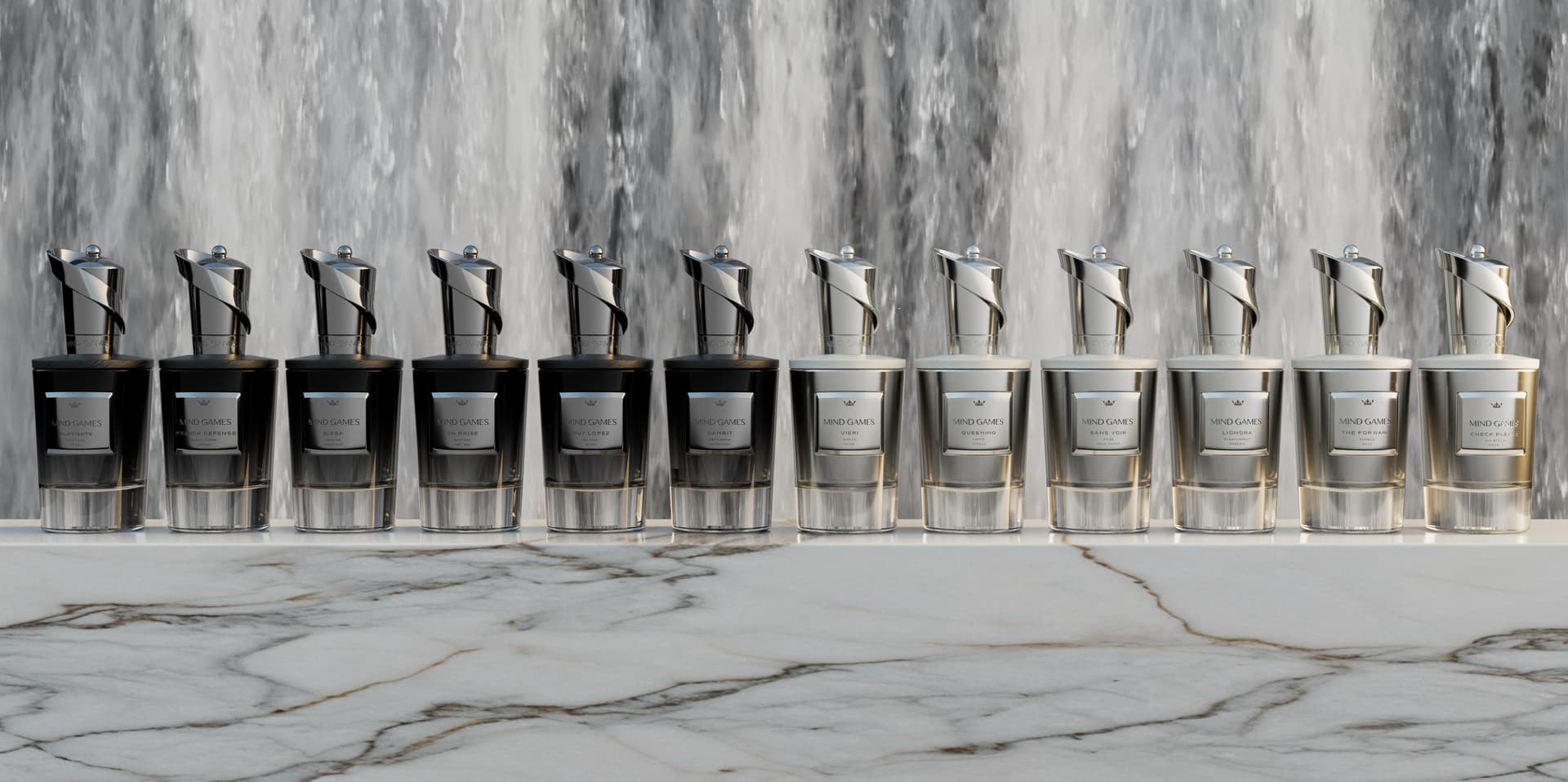
- 65% of sales come from 14 different scents, targeting young male collectors.
- The brand is projecting $120M in global retail sales for 2026.
The Innovation — What the Source Reports
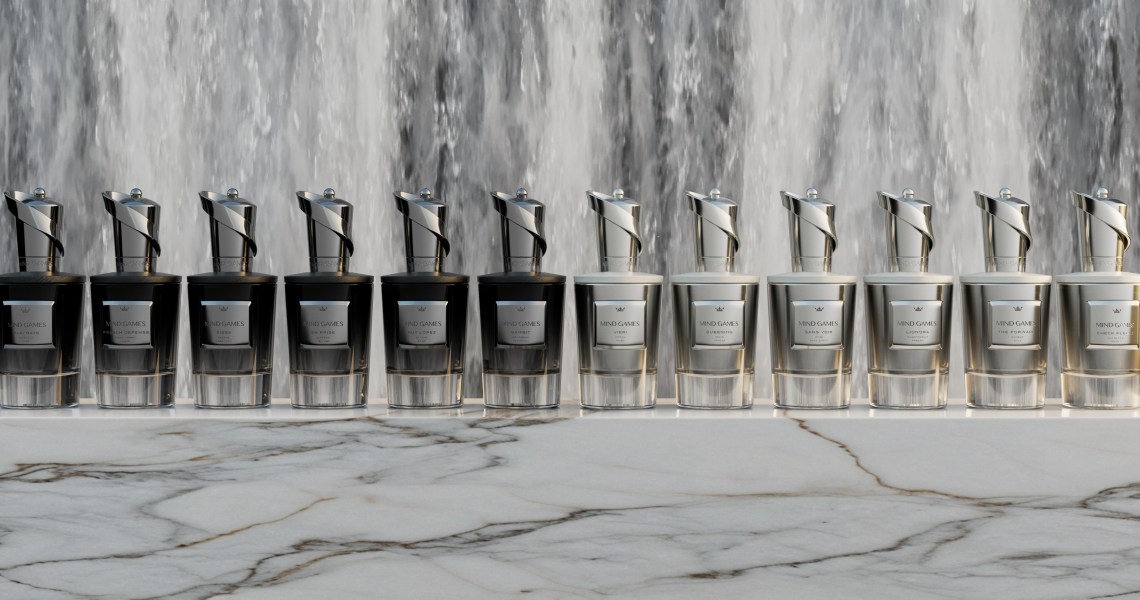
In a fragrance industry dominated by hero SKUs that can account for up to 69% of a brand's sales (as seen with Maison Francis Kurkdjian's Baccarat Rouge 540), Mind Games has deliberately pursued a different strategy. Launched in 2022 by founder Alex Shalbaf, the luxury chess-inspired brand has achieved remarkable growth without relying on a single signature scent.
According to Circana data, Mind Games saw U.S. sales increase 56% year-over-year in 2025, from $18.5 million to $28.9 million. The brand's top-selling fragrance, French Defense, constituted just 17% of sales—a stark contrast to industry norms where top sellers often drive 25-35% of revenue. Instead, 65% of Mind Games' sales come from 14 different scents, with recent launches like "Check Please" quickly entering the top five.
Why This Matters for Retail & Luxury
This approach represents a fundamental shift in luxury fragrance strategy with implications across multiple departments:
Merchandising & Assortment Planning: Traditional fragrance merchandising focuses heavily on promoting hero SKUs through prime retail placement and marketing spend. Mind Games' model requires a more balanced approach where multiple products receive attention and investment. This creates complexity in inventory management but reduces dependency on any single trend.
Marketing & Consumer Engagement: Instead of marketing a signature scent, Mind Games targets "fragrance collectors"—particularly young men who view scent as a form of self-expression alongside sneakers and T-shirts. This requires building brand narrative around collection and curation rather than signature scent identification.
Pricing Strategy: Mind Games has successfully increased prices from $345 in 2022 to $395 in 2026 while expanding to 64 markets. This indicates that collector-focused consumers are less price-sensitive when they perceive value in building a curated collection rather than purchasing a single utilitarian product.
Business Impact
The financial results are compelling: 56% year-over-year growth in a competitive market, with projections of $120 million in global retail sales for 2026. The brand's expansion has been primarily through department store channels like Selfridges in the U.K., with recent forays into brick-and-mortar through pop-ups at Los Angeles retail destinations The Grove and The Americana at Brand.
Shalbaf's strategic rationale is clear: "It's a double-sided sword [to have a hero SKU]. For me, you have such a high risk as a business, because what if people stop buying that scent profile?" This diversification protects against trend volatility but requires more sophisticated demand forecasting and inventory management.
Implementation Approach
For other luxury brands considering this approach, several implementation considerations emerge:

Consumer Segmentation: Identifying and understanding the "collector" segment requires different data and analytics than traditional fragrance marketing. This segment values variety, discovery, and curation over loyalty to a single scent.
Product Development: Maintaining relevance across multiple SKUs requires continuous innovation. Mind Games' success with "Check Please" entering the top five shortly after launch demonstrates the need for effective new product introduction processes.
Retail Execution: In physical retail environments, the absence of a clear hero SKU requires different visual merchandising and sales associate training. Associates must be equipped to guide customers through a collection rather than recommending a signature scent.
Governance & Risk Assessment
Maturity Level: This approach is relatively novel in the luxury fragrance space but shows promising early results. The 56% growth in 2025 suggests market validation, though longer-term sustainability remains to be proven.
Market Risk: The collector-focused strategy may limit market size compared to mass-appeal hero fragrances. However, the premium pricing ($395) and strong growth suggest this niche may be sufficiently large and profitable.
Operational Complexity: Managing 14+ SKUs with relatively balanced sales requires more sophisticated supply chain and inventory management than traditional hero-SKU models. This increases operational risk but also provides diversification benefits.
Brand Consistency Risk: With multiple fragrances receiving attention, maintaining consistent brand messaging and quality across the portfolio becomes increasingly important and challenging.