Key Takeaways
- Meta fired 8,000 employees and Microsoft laid off 9,000 within hours of each other, signaling a coordinated shift of resources from headcount to AI compute and model development.
- The layoffs underscore a trend where big tech prioritizes AI investment over workforce stability.
What Happened
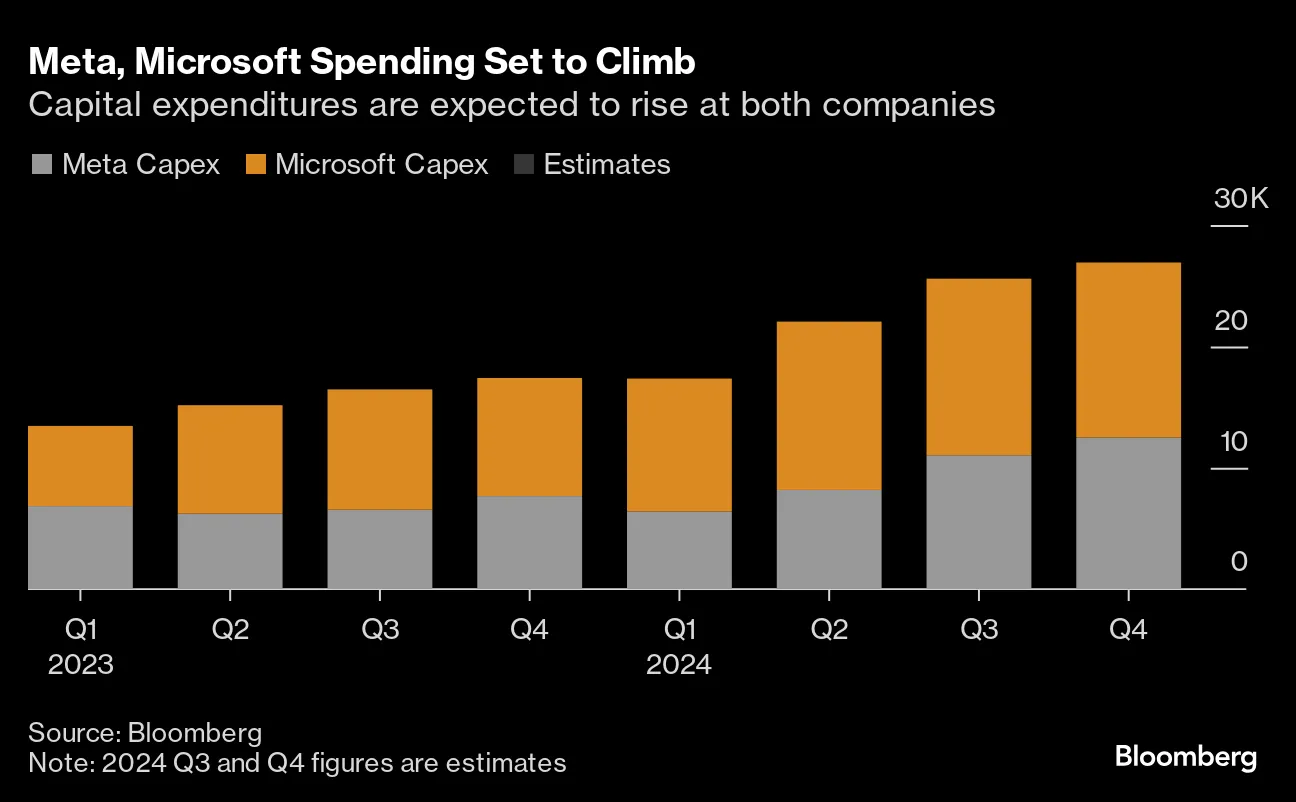
Meta laid off 8,000 employees on the same day Microsoft cut 9,000 positions — a combined 17,000 job losses in a single day. The Meta layoffs were announced internally with a memo stating, "This is not an easy tradeoff," and employees who are affected will not be notified until May 20, leaving 27 days of uncertainty for the workforce.
The timing was not coincidental. Both companies are redirecting massive capital toward AI infrastructure — data centers, GPU clusters, and model development — at the expense of headcount. The Meta memo reportedly included the subtext: "We need money for AI more than you."
Context
This is not an isolated event. In 2026, major tech companies have been conducting layoffs in waves, often within hours of each other. The pattern suggests a synchronized industry shift: reduce operating costs via headcount to free up cash for AI capital expenditure.
Meta has been particularly aggressive in its AI pivot. The company has publicly committed to building large-scale AI infrastructure, including custom silicon and massive GPU clusters, to compete in the foundation model race. Microsoft, meanwhile, continues its deep partnership with OpenAI and has been scaling its Azure AI infrastructure to meet demand.
What This Means in Practice
For engineers and researchers: the job market in big tech is contracting even as AI investment booms. The skills in highest demand are now narrowly focused on AI/ML — generalist software engineering roles are being cut. For companies: the playbook is clear — lay off non-AI headcount to fund GPU purchases and data center expansion.
The 27-day notification delay at Meta is particularly notable. It creates a prolonged period of uncertainty that may push talent to leave voluntarily, reducing severance costs. This tactic, while legal in some jurisdictions, signals a cold calculus in workforce management.
gentic.news Analysis
This story is part of a broader trend we've been tracking at gentic.news. The simultaneous layoffs at Meta and Microsoft are not a coincidence — they reflect a coordinated industry-wide reallocation of resources. We previously covered how Google and Amazon similarly cut thousands of positions in early 2026 to fund AI initiatives. The pattern is now clear: big tech is treating human capital as a variable cost and AI infrastructure as a fixed investment.
What's striking is the messaging. The Meta memo's phrasing — "this is not an easy tradeoff" — is remarkably candid. It confirms what many have suspected: AI spending is cannibalizing jobs directly. The 27-day notification gap is a power move, designed to maximize leverage over employees. It also creates a PR problem: the optics of firing 8,000 people while spending billions on GPUs are difficult to spin.
From a market perspective, this signals that Meta and Microsoft are doubling down on AI as their primary growth vector. Both companies have seen their stock prices rise on AI optimism, but the human cost is becoming visible. For AI engineers, this means job security only if your skills are directly tied to model training, inference optimization, or infrastructure. For everyone else, the message is clear: upskill or face the cut.
This also raises questions about long-term sustainability. If the entire industry is cutting headcount to fund AI, who will build the products that use these models? The assumption is that AI will automate many roles, but we are not there yet. In the short term, this creates a gap: fewer people building features, maintaining systems, and supporting customers, while more money flows into compute.
Frequently Asked Questions
Why are Meta and Microsoft laying off so many people on the same day?
The simultaneous layoffs reflect a broader industry trend where major tech companies are cutting costs to redirect capital toward AI infrastructure, including data centers, GPUs, and model development. The coordination suggests these companies are following similar strategic playbooks.
How long will Meta employees have to wait to know if they are laid off?
Meta has stated that affected employees will not be notified until May 20, creating a 27-day waiting period. This delay is unusual and has been criticized for prolonging uncertainty for workers.
What does the Meta memo say about the layoffs?
The internal memo reportedly states, "This is not an easy tradeoff," which has been interpreted as acknowledging that the company is choosing AI investment over retaining employees. The language confirms the direct link between AI spending and job cuts.
Are more layoffs expected in the tech industry?
Given the pattern of multiple layoff waves in 2026, it is likely that further cuts will occur as companies continue to reallocate budgets toward AI. The trend suggests that roles not directly tied to AI/ML are at highest risk.