Venture capitalist Marc Andreessen, co-founder of the influential venture firm Andreessen Horowitz and a central figure in Silicon Valley's technology investment landscape, has issued a provocative prediction about the future of artificial intelligence. In a recent statement, he suggested that the economic structure of the AI industry could undergo a fundamental transformation, with value potentially accruing not to software applications, but to the underlying hardware and energy infrastructure.
The Core Prediction: A Rotation from Software to Hardware
Andreessen's central argument, as reported, is that "there's a rotation from software into hardware." This represents a significant departure from the dominant tech paradigm of the last several decades, where immense value has been created and captured at the software and application layer. Companies like Google, Meta, and Microsoft built empires on proprietary software platforms. Andreessen suggests this dynamic may reverse in the age of advanced AI.
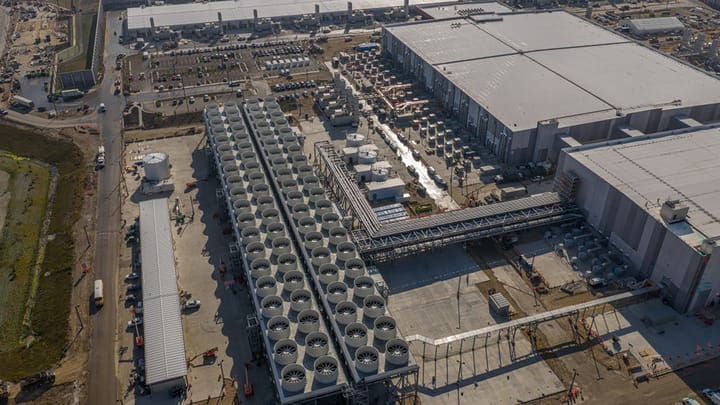
He posits a future where "it's possible all the value accrues to the chips, and the energy, and then software is all open source." This vision implies that the competitive moats and profit centers will migrate down the stack. The companies designing and manufacturing the advanced semiconductors (like Nvidia, AMD, or future entrants) and those providing the massive amounts of electrical power required to train and run large AI models could become the primary economic beneficiaries.
The Implications of Open-Source AI Software
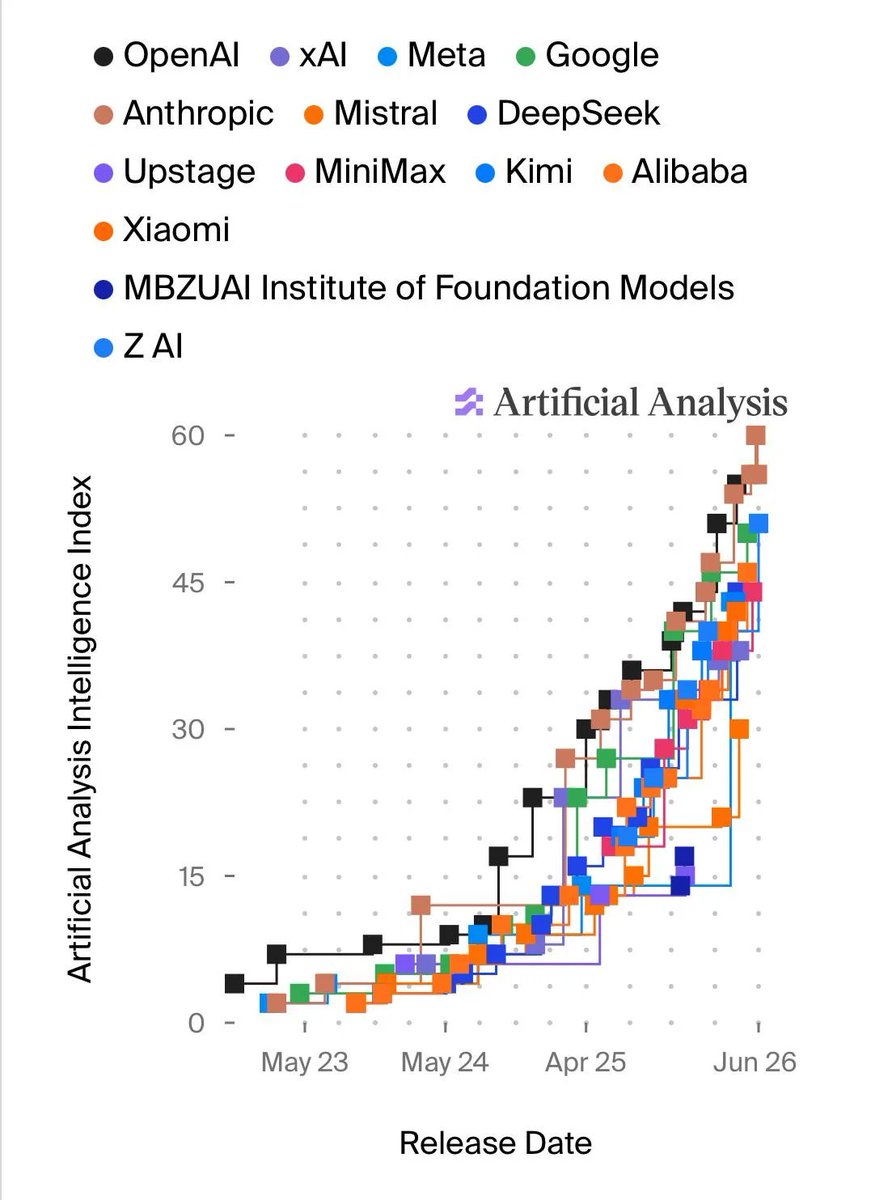
The suggestion that AI software could become "all open source" is particularly striking. The current landscape features a fierce competition between proprietary models from companies like OpenAI (GPT-4), Anthropic (Claude), and Google (Gemini), and open-source alternatives like Meta's Llama series. Andreessen's prediction implies that this competition might resolve with open source becoming the default, potentially reducing the standalone commercial value of the model weights and architectures themselves.
If the core AI models are freely available, the differentiation and value capture would shift to other areas: who can run them most efficiently (hardware), who can power them most cheaply (energy), and who can build the most compelling applications or interfaces on top of them (a layer where value might still exist, but in a more competitive, potentially thinner-margin environment).
Why This Shift Might Happen
This prediction is grounded in observable trends. The computational demands of state-of-the-art AI are staggering and growing. Training a single frontier model can cost hundreds of millions of dollars in computing power alone, making access to cutting-edge hardware and affordable energy a critical bottleneck. Furthermore, as model architectures and training techniques mature and diffuse, the software itself may become more of a commodity. The real scarcity is in the physical infrastructure required to produce and operate it.
Andreessen Horowitz has made significant investments aligned with this thesis, backing companies in semiconductor design (e.g., Groq, Etched) and other infrastructure layers. His statement can be seen as both an analysis of the market and a reflection of his firm's investment strategy.
Potential Consequences for the Tech Ecosystem
If Andreessen's vision materializes, it would reshape the global technology industry:
- New Power Centers: Economic and geopolitical power would concentrate even further around chip fabrication hubs (like Taiwan, South Korea, and potentially the U.S. and Europe with new subsidies) and regions with abundant, cheap energy (whether renewable, nuclear, or fossil-fuel based).
- Challenges for AI Startups: Startups building foundational models would face an even more daunting capital hurdle, needing to secure not just talent and data, but also guaranteed access to vast computing capacity. Their business models might pivot to leveraging open-source cores.
- Consumer and Developer Access: Widespread open-source models could democratize access to powerful AI tools, lowering barriers for developers and researchers worldwide to build applications, provided they can access the necessary hardware.
- Re-evaluation of Tech Giants: The strategies of integrated giants like Microsoft, Google, and Amazon—which control cloud infrastructure (hardware and energy) and develop proprietary AI software—would be validated, as they are positioned to capture value at multiple levels of the stack.
A Contested Future
It is important to note that this is one possible trajectory, not an inevitability. Counterarguments suggest that software differentiation, data advantage, and ecosystem lock-in (through APIs, developer tools, and integrations) will remain powerful sources of value. The unique architecture, safety features, or fine-tuning of a proprietary model may continue to command a premium.
Nevertheless, Marc Andreessen's prediction serves as a crucial thought experiment. It forces entrepreneurs, investors, and policymakers to look beyond the flashy AI applications and consider the foundational, physical constraints that will ultimately govern the pace, cost, and control of artificial intelligence's evolution. The race for AI supremacy may well be won not just in algorithms, but in fab plants and power grids.
Source: Analysis based on statement by Marc Andreessen as reported by @rohanpaul_ai on X.