A browser-based simulator for embedded hardware development, Wokwi, has become a significant tool in the developer ecosystem, now hosting over 1.7 million community-built projects. The platform allows engineers and learners to simulate Arduino, ESP32, and STM32 microcontrollers, along with components like sensors, displays, and servos, directly in a web browser with no physical wiring or setup required.
Key Takeaways
- Wokwi, a browser simulator for Arduino, ESP32, and STM32, has surpassed 1.7 million community-built projects.
- It allows embedded developers to prototype with sensors, displays, and servos entirely in-browser, eliminating hardware setup.
What the Tool Does
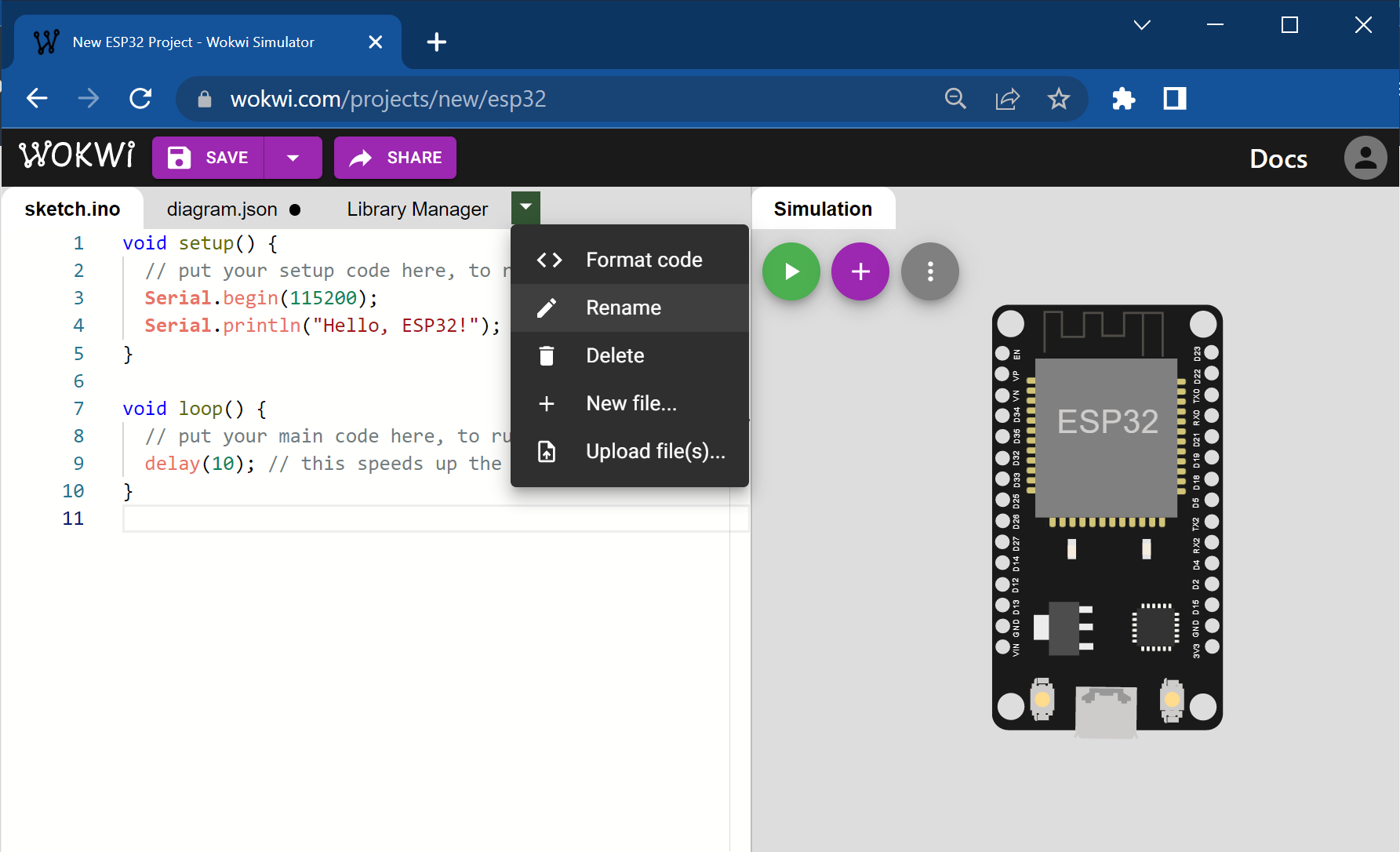
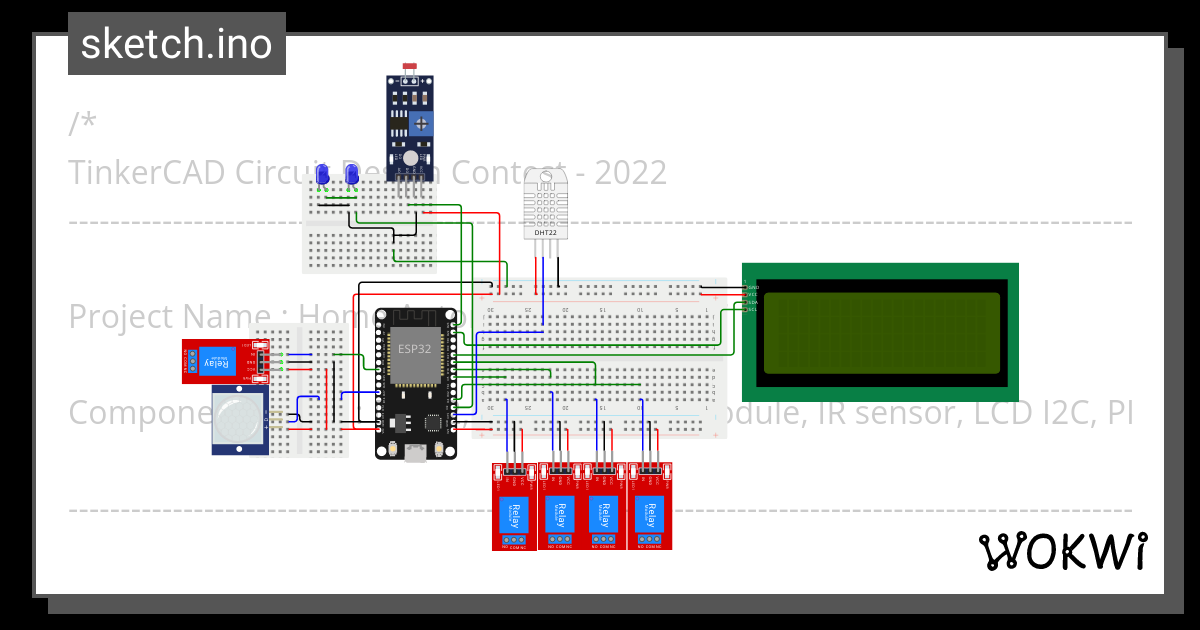
Wokwi is a digital playground for embedded systems. Users can drag-and-drop virtual components, write firmware code, and run simulations instantly. The environment mimics real hardware behavior, enabling functional prototyping and debugging before any physical circuit is built. Community examples range from a Simon Says game and Pong on an Arduino Nano to complex visualizations like a 32x32 LED tunnel—all simulated and shareable via URL.
Technical Details & Workflow
The core value proposition is the elimination of hardware dependencies for the initial development loop. Developers can:
- Select a virtual board (Arduino Uno, ESP32, STM32 Blue Pill, etc.).
- Add components from a library (sensors, LEDs, screens, motors).
- Write code in the integrated editor (supporting Arduino/C++).
- Click "Run" to compile and simulate, watching virtual pins toggle and components react.
This workflow is particularly powerful for:
- Education: Lowering the barrier to learning embedded systems by removing cost and logistics of hardware kits.
- Rapid Prototyping: Testing sensor logic, communication protocols, or driver code in minutes.
- Collaboration & Code Sharing: Sharing a fully functional, interactive circuit via a simple link for code reviews or tutorials.
Community & Scale
The platform's growth to 1.7 million projects indicates strong organic adoption, particularly among hobbyists, students, and engineers looking for a fast validation step. The shareable nature of projects fosters a library of reusable examples and demos, creating a network effect where the tool becomes more valuable as the community grows.
gentic.news Analysis
Wokwi's rise aligns with two major, converging trends in the developer tools space that we've tracked closely. First, it's part of the broader "shift-left" movement in hardware-in-the-loop (HIL) testing, where validation happens earlier in the development cycle. This mirrors the trend in AI/ML with tools like Weights & Biases or Comet ML (which we covered in our 2025 piece on experiment tracking), which move model validation and debugging earlier to save costly training cycles. For embedded systems, catching a logic error in a free browser simulation is vastly cheaper than discovering it on fabricated PCBAs.
Second, Wokwi capitalizes on the democratization of complex engineering fields through simulation. This is a pattern we've seen explode with AI. Just as platforms like Hugging Face Spaces (covered in our 2024 deep dive on the AI hub model) allowed anyone to demo and share machine learning models without GPU infrastructure, Wokwi does the same for embedded hardware. It abstracts away the physical layer, making the field accessible. The 1.7M project milestone suggests it's hitting the same product-market fit for makers and learners that GitHub Codespaces found for software developers.
From a competitive standpoint, Wokwi occupies a unique niche between professional-grade electronic design automation (EDA) suites like Cadence or Simulink (expensive, complex) and rudimentary code-only Arduino emulators. Its browser-based, community-focused model gives it an edge in accessibility and shareability, which are critical for adoption in educational and open-source contexts. As IoT and edge AI development continues to grow—a trend underscored by NVIDIA's Jetson platform expansion and TensorFlow Lite Micro's ongoing updates—tools that streamline the firmware-to-prototype pipeline will see increased demand. Wokwi is well-positioned as the gateway tool for this wave of developers.
Frequently Asked Questions
Is Wokwi free to use?
Yes, the core simulation functionality for personal and community use is free. The platform likely operates on a freemium model, potentially offering advanced features, private projects, or team collaboration tools for paid tiers, which is standard for developer-focused SaaS platforms.
How accurate is the Wokwi simulation compared to real hardware?
Wokwi provides functional-level simulation, meaning it accurately models digital logic, pin states, timing, and the behavior of common components well enough for logic validation, algorithm development, and learning. For ultra-precise timing analysis, analog signal behavior, or extreme edge-case hardware interactions, physical testing remains necessary. It's best for the "first 90%" of development.
Can I use Wokwi to simulate communication with AI models or cloud APIs?
Yes, this is a powerful use case. Since your code runs in a simulated environment, you can write firmware that includes HTTP/MQTT clients to communicate with external services. For instance, you could prototype an ESP32 project that sends sensor data to a cloud-based AI inference endpoint or receives commands from a server, all without the physical device.
What file formats does Wokwi support for sharing projects?
Projects are primarily shared via URL. You can also export your project's diagram and code. The platform is designed for live, interactive sharing rather than static file exchange, making it ideal for tutorials, bug reports, and collaborative debugging sessions.