Key Takeaways
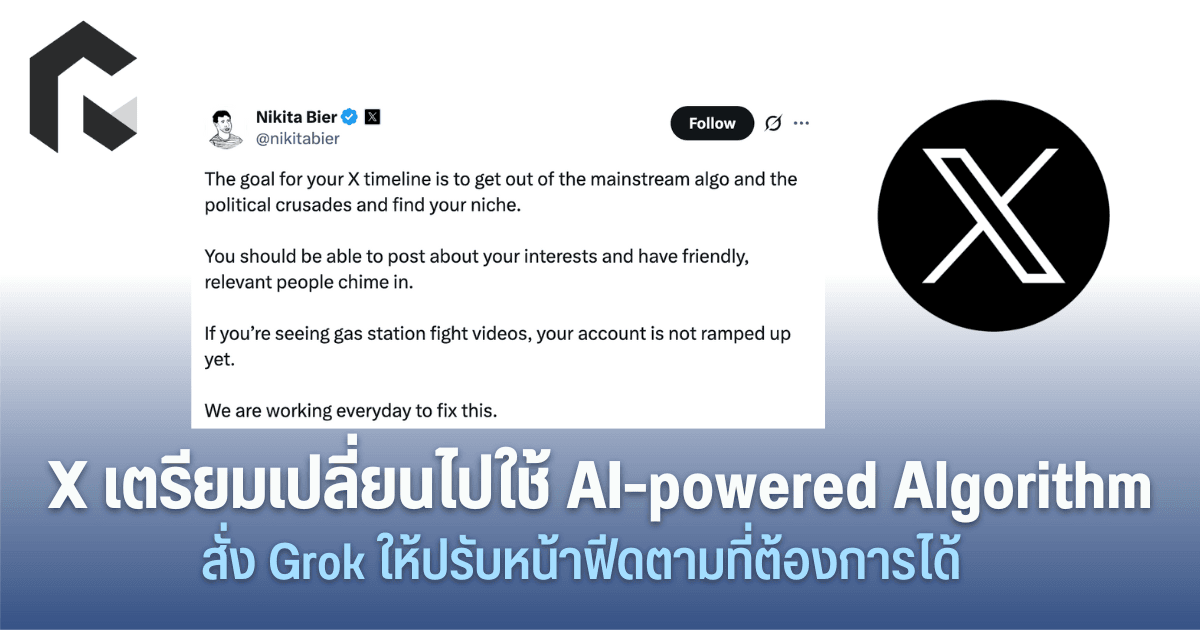
- X (formerly Twitter) announced it will integrate its proprietary Grok AI model into the platform's core recommendation algorithm.
- This represents a significant technical shift for the social media platform's content delivery system.
The Announcement

According to reports, Elon Musk's X (formerly Twitter) will begin integrating its proprietary Grok AI model into the platform's core recommendation algorithm starting next week. This represents a significant technical shift for the social media platform's content delivery system, moving from traditional algorithmic approaches to one powered by a large language model.
While specific technical details of the implementation weren't provided in the announcement, the integration suggests Grok will be used to understand and rank content in users' feeds, potentially analyzing post semantics, user intent, and engagement patterns at a more sophisticated level than previous systems.
Why This Matters for Retail & Luxury
For luxury and retail brands with significant social media presences, this algorithmic shift has immediate implications:
Content Strategy Impact: Brands will need to understand how Grok interprets and ranks different types of content. Visual-heavy posts showcasing products might be evaluated differently than educational content about craftsmanship or sustainability initiatives. The AI's understanding of "value" and "relevance" will directly affect organic reach.
Community Engagement: Grok's integration could change how conversational threads and community interactions are weighted in the algorithm. Brands that foster genuine dialogue with customers might see increased visibility compared to those relying solely on broadcast messaging.
Advertising Implications: While not explicitly mentioned, changes to organic ranking algorithms typically influence paid promotion strategies. Brands may need to adjust their X advertising approaches as the underlying content evaluation system evolves.
Competitive Intelligence: The rollout provides a live case study of LLM-powered social media algorithms. Retail AI teams should monitor engagement metrics closely to understand what types of content perform better under the new system.
Business Impact
The business impact for brands will depend on several factors:
Short-term volatility: Initial algorithm changes typically create fluctuations in engagement metrics. Brands should expect some unpredictability in post performance during the transition period.
Content quality emphasis: If Grok effectively evaluates semantic quality and relevance, brands investing in thoughtful, authentic content may benefit relative to those using engagement-bait tactics.
Measurement challenges: Brands will need to reassess their key performance indicators on X, as previous optimization strategies may become less effective under the new AI-driven system.
Implementation Approach for Brands
Monitoring Phase (Weeks 1-4):
- Track engagement rate changes across different content types
- Analyze which historical posts get resurfaced by the new algorithm
- Monitor competitor performance for patterns
Adaptation Phase (Weeks 5-12):
- Experiment with content formats that appear favored by the new system
- Adjust posting frequency and timing based on observed patterns
- Refine community engagement approaches
Optimization Phase (Months 3+):
- Develop X-specific content strategies informed by Grok's preferences
- Integrate findings into broader social media strategy
- Consider implications for cross-platform content adaptation
Governance & Risk Assessment
Algorithmic Transparency: X has not disclosed how Grok will be audited for bias or fairness. Brands should be aware that the AI might develop preferences that inadvertently disadvantage certain content styles or topics.
Brand Safety: LLM-powered recommendations could surface brand content in unexpected contexts. Enhanced monitoring for adjacency risks is advisable.
Data Privacy: The integration likely involves more sophisticated analysis of user data and behavior. Brands should ensure their X activities comply with relevant data protection regulations.
Platform Dependency: Increased reliance on X's proprietary AI creates platform dependency risks. Brands should maintain diversified social media strategies.
gentic.news Analysis
This move represents the most significant integration of an LLM into a major social platform's core ranking system to date. For retail and luxury brands, it serves as a bellwether for how AI will reshape social media marketing.
The timing is notable—coming just months after Grok's initial release to X Premium+ subscribers. This rapid deployment from conversational AI to core infrastructure suggests Musk is prioritizing AI integration across X's stack. Brands should view this not as an isolated update but as the beginning of deeper AI transformations on the platform.
From a competitive landscape perspective, this puts pressure on other social platforms (Meta's Instagram and TikTok in particular) to accelerate their own AI integration plans. We may see increased investment in proprietary AI models across social media, potentially creating fragmentation in optimization strategies for multi-platform brands.
For luxury specifically, the key question is how Grok will interpret and value the nuanced content that defines high-end branding—artistic campaigns, heritage storytelling, and exclusive announcements. Brands that can decode Grok's preferences early may gain significant competitive advantage in organic reach on what remains a crucial platform for real-time engagement and trendsetting.