What Happened
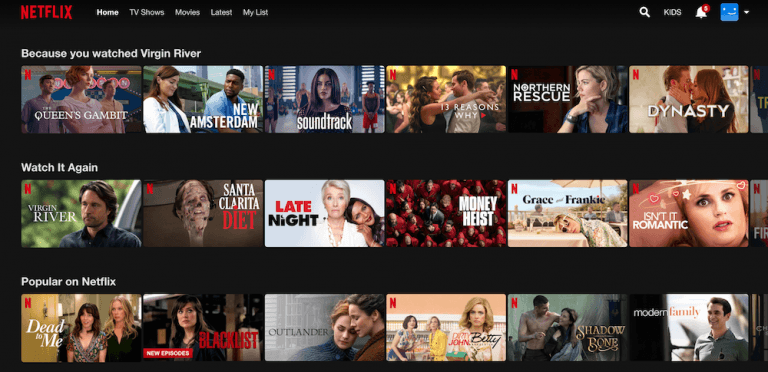
A user has published an account of building a personalized movie recommendation system using Google's NotebookLM, an AI research tool. The core claim is that this custom-built system provides better, more personally relevant suggestions than the algorithm powering Netflix, the streaming giant. The experiment highlights a shift from broad, population-based collaborative filtering to hyper-personalized, document-grounded AI analysis.
NotebookLM, developed by Google Labs and powered by the Gemini 2.5 Flash model, is designed to analyze user-uploaded documents—notes, PDFs, articles—and generate answers, summaries, and insights grounded solely in that source material. The user's approach was to feed their own detailed notes on movies they've watched, including ratings, genres, director notes, and personal critiques, into NotebookLM. They then used the tool to query this personal "film corpus" for recommendations based on mood, specific themes, or elements they enjoyed in other films.
The reported superiority over Netflix's algorithm stems from this deep contextual understanding. While Netflix's system primarily relies on collaborative filtering (matching users with similar viewing histories) and broad metadata tags, the NotebookLM system had access to the user's nuanced, subjective reasoning—why they liked or disliked something. This allowed it to make connections based on directorial style, thematic depth, or cinematography that a standard tag-based system might miss.
Technical Details: How NotebookLM Enables This
NotebookLM is not a traditional recommendation engine. It is a retrieval-augmented generation (RAG) platform that creates a specialized, vector-based index of uploaded documents. When a user asks a question (e.g., "What should I watch if I liked the melancholic atmosphere of Blade Runner but want something more hopeful?"), the tool:
- Retrieves the most relevant snippets from the user's notes based on semantic similarity.
- Grounds the Gemini 2.5 Flash model's response strictly in that retrieved context.
- Generates a reasoned recommendation, citing the user's own past opinions as evidence.
This process bypasses the need for massive, anonymized user datasets. The "algorithm" is the user's own taste, codified in their notes and interpreted by a powerful LLM. The key differentiator is the quality and depth of the source data. The system's performance is directly tied to the richness of the user's uploaded notes.
Retail & Luxury Implications
While the source is about entertainment, the underlying methodology has direct, potent applications for luxury and retail, particularly in high-consideration, high-affinity commerce.
1. The Hyper-Personalized Client Book, Reimagined:
For a personal shopper or client advisor, NotebookLM could become a dynamic, AI-augmented version of the traditional client book. Instead of static notes ("Client X likes Brunello Cucinelli, size 50"), an advisor could upload detailed transcripts of client conversations, wish lists, feedback on past purchases, and even images of items the client admired but didn't buy. The AI could then answer complex queries like: "Based on all our conversations, what are three potential anniversary gift options for this client that align with her recent interest in sustainable materials and her husband's classic style?" The recommendations would be grounded in the advisor's own nuanced understanding, not a generic popularity score.
2. Curation Beyond the Algorithm:
Luxury e-commerce platforms often rely on collaborative filtering ("customers who bought this also bought...") which can be reductive for high-value, unique items. A brand could empower its most dedicated customers with a similar tool. Imagine a "Style NotebookLM" where a user uploads their inspiration images, notes on their wardrobe, and reviews of past purchases. The brand's AI, grounded in this personal corpus and the brand's full product catalog, could suggest items that truly complete a look or fill a gap in the collection, creating a deeply personalized shopping journey that fosters loyalty and increases average order value.
3. Product Development & Trend Analysis from Qualitative Data:
Design and merchandising teams could use NotebookLM to analyze thousands of pages of qualitative data—store associate feedback, customer service transcripts, focus group notes, and social media sentiment reports. Querying this corpus could uncover emerging themes, unmet needs, or specific pain points with current products that quantitative sales data alone would miss, leading to more informed product iterations.
The fundamental shift is from inference-based recommendation (guessing what you might like based on others) to grounded, evidence-based suggestion (knowing what you like based on your own stated history and reasoning). For industries built on deep client relationships and personal taste, this is a compelling paradigm.