In a move that signals a seismic shift in global artificial intelligence financing, Abu Dhabi's government-backed investment firm MGX has unveiled plans to deploy up to $100 billion in AI investments, with recent high-profile deals involving industry leaders OpenAI and Anthropic. According to Bloomberg, MGX is racing toward a target of more than $100 billion in assets under management, with plans to spend up to $10 billion annually over the coming years.
This massive sovereign wealth commitment represents more than just financial investment—it's a strategic positioning at the intersection of technological sovereignty, economic diversification, and geopolitical influence. The timing coincides with significant developments in the AI landscape, including Anthropic's recent ethical stand against unrestricted military use and OpenAI's groundbreaking research achievements.
The MGX Strategy: Beyond Passive Investment
MGX's approach appears to be fundamentally different from traditional sovereign wealth fund investments. Rather than taking passive minority stakes, the Abu Dhabi entity is positioning itself as a co-lead investor in major funding rounds, as evidenced by its participation in Anthropic's latest financing. This active involvement suggests a deeper strategic interest in shaping AI development trajectories rather than merely capturing financial returns.
This investment strategy aligns with Abu Dhabi's broader vision to transition from an oil-dependent economy to a knowledge-based powerhouse. The emirate has been systematically building its technological capabilities through initiatives like the Mohamed bin Zayed University of Artificial Intelligence and various technology free zones. The MGX investments represent the financial engine powering this transformation.
Contextualizing the AI Landscape
The MGX investments come at a particularly dynamic moment in AI development. Recent events highlight the contrasting approaches of the two primary beneficiaries of Abu Dhabi's capital:
Anthropic has been making headlines for its principled stands, including refusing Pentagon unrestricted access to its AI models and demanding binding guarantees against autonomous weapons and domestic surveillance. The company's recent partnership with Infosys to develop custom AI agents for enterprise markets demonstrates its commercial strategy, while public discussion about its "Claude Constitution" reveals the ethical framework governing its AI assistant.
OpenAI, meanwhile, continues to push technical boundaries, with its GPT-5.2 Pro recently helping conjecture a new formula in particle physics that challenges established theory. The organization's dual structure—combining a non-profit foundation with a controlled for-profit public benefit corporation—creates unique governance challenges that sovereign wealth investors must navigate.
Geopolitical Implications: A New Axis of AI Power
The concentration of Abu Dhabi's investments in American AI companies creates an interesting geopolitical dynamic. While the United States maintains technological leadership in AI development, the financing increasingly flows from Middle Eastern sovereign wealth. This creates a new axis of AI power where technological innovation, capital deployment, and strategic influence intersect across continents.
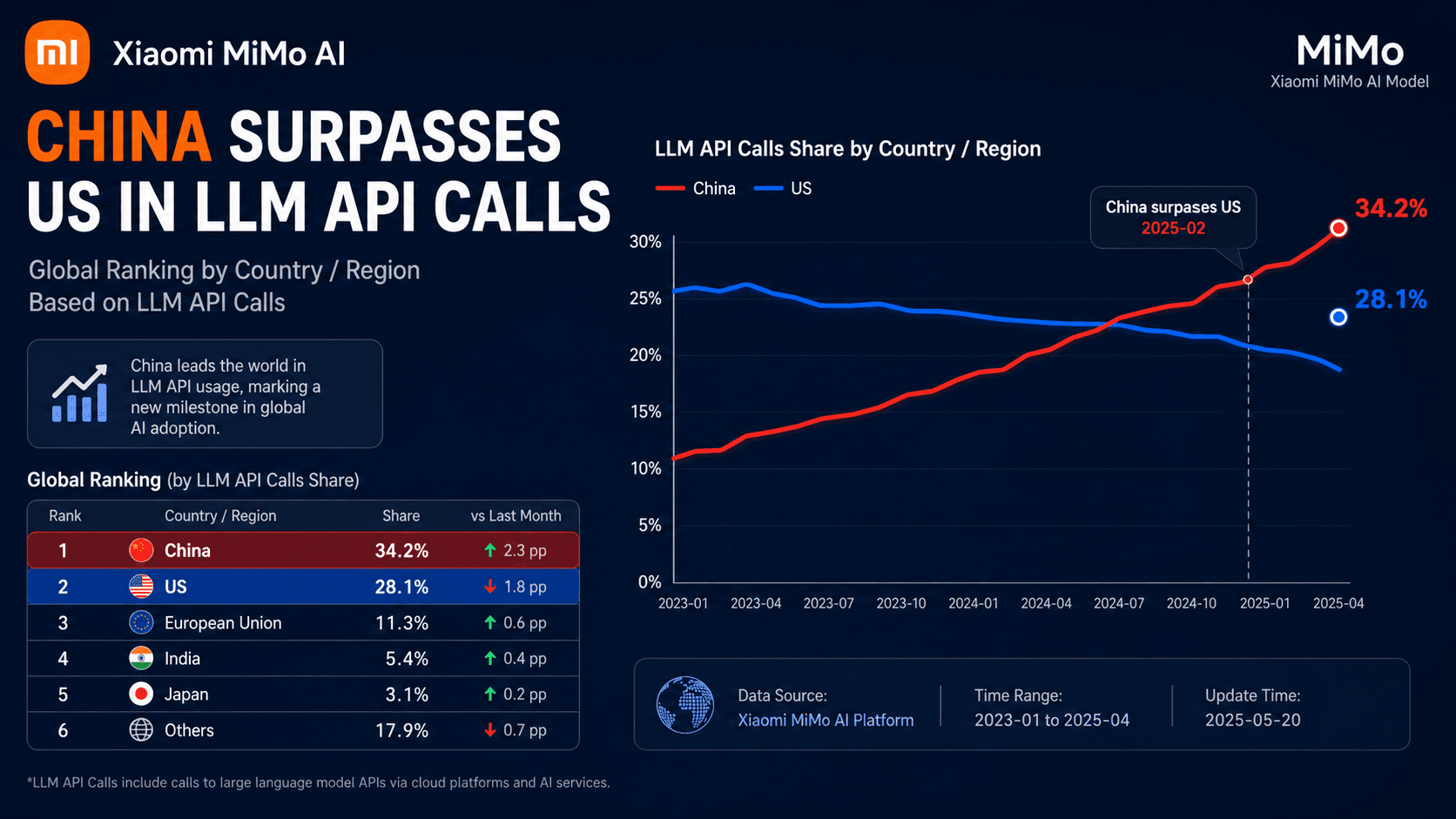
This development occurs against a backdrop of increasing AI competition between the United States and China, with both nations implementing export controls, investment restrictions, and strategic industrial policies. Abu Dhabi's positioning as a major financier of American AI companies could provide an alternative to Chinese investment while maintaining a degree of geopolitical neutrality.
Ethical and Governance Considerations
The MGX investments raise important questions about AI governance and ethical alignment. With Anthropic taking strong ethical positions on military use and surveillance, and OpenAI operating under its unique governance structure, Abu Dhabi's influence could potentially shape the ethical frameworks of leading AI companies.
This influence becomes particularly significant given the substantial capital involved. A $100 billion investment portfolio represents not just financial leverage but potential influence over research directions, commercial applications, and ethical guardrails. How MGX chooses to exercise this influence—whether through active governance participation or passive financial support—will be closely watched by the global AI community.
Economic Diversification and Technological Sovereignty
For Abu Dhabi, these investments represent a crucial component of its Vision 2030 economic diversification strategy. By positioning itself as a major financier of cutting-edge AI development, the emirate aims to secure not just financial returns but also technological access, talent development, and potential licensing agreements that could accelerate its domestic AI capabilities.
This approach contrasts with other nations' strategies of building domestic AI champions from scratch. Instead, Abu Dhabi appears to be pursuing a "financier-first" strategy, using its substantial capital reserves to gain privileged access to the world's most advanced AI technologies and the companies developing them.
Competitive Dynamics and Market Impact
The scale of MGX's planned investments—up to $10 billion annually—could significantly impact AI funding markets. This level of capital deployment could potentially crowd out other investors, influence valuation metrics, and accelerate the pace of AI research and development through increased funding availability.
Furthermore, the concentration of investments in OpenAI and Anthropic could reinforce the dominance of these companies in the AI landscape, potentially creating a two-tier market structure with well-funded leaders and capital-constrained challengers. This dynamic could affect innovation pathways, talent distribution, and competitive dynamics across the AI ecosystem.
Future Trajectories and Strategic Considerations
Looking forward, several key developments will shape the impact of Abu Dhabi's AI investments:
Governance Structures: How will MGX balance financial returns with strategic objectives? Will it seek board representation or governance rights in its portfolio companies?
Technology Transfer: What mechanisms will be established to facilitate knowledge transfer and capability building in Abu Dhabi's domestic AI ecosystem?
Geopolitical Balancing: How will Abu Dhabi navigate the complex geopolitics of AI, particularly tensions between the United States and China?
Ethical Alignment: Will Abu Dhabi's investments influence the ethical frameworks of portfolio companies, particularly regarding military applications and surveillance technologies?
Conclusion: Redefining Global AI Power Structures
Abu Dhabi's $100 billion AI investment strategy represents more than just financial deployment—it's a sophisticated play for technological relevance in the AI era. By positioning itself as a major financier of leading AI companies, the emirate aims to secure influence, access, and capabilities that transcend traditional economic relationships.
The success of this strategy will depend not just on financial returns but on Abu Dhabi's ability to translate capital deployment into technological capability, talent development, and strategic influence. As AI continues to reshape global power dynamics, the MGX investments represent a bold attempt to secure a position at the forefront of this transformation.
The coming years will reveal whether this financial strategy can deliver the technological sovereignty and economic diversification that Abu Dhabi seeks. What's already clear is that the geography of AI power is expanding beyond traditional technology hubs, with capital-rich sovereign investors playing increasingly influential roles in shaping the future of artificial intelligence.