A significant breakthrough in artificial intelligence capabilities has emerged with the development of a tool that grants AI agents the ability to autonomously pay for superior data. This advancement represents a fundamental shift in how AI systems access and utilize information, moving beyond static datasets to dynamic, market-driven data acquisition.
The Autonomous Data Marketplace
The newly revealed system enables AI agents to access over 250 premium APIs without requiring manual configuration or setup. This represents a substantial expansion of available data sources, potentially including financial markets, scientific databases, real-time news feeds, weather services, and specialized industry information that would typically require individual subscriptions and complex integration.
What makes this development particularly noteworthy is the system's self-regulating financial mechanism. According to the announcement, "the tool uses itself to determine how much cash to give you"—indicating that the AI agents can autonomously manage budget allocation for data purchases based on their operational needs and objectives.
Technical Implementation and Platform Compatibility
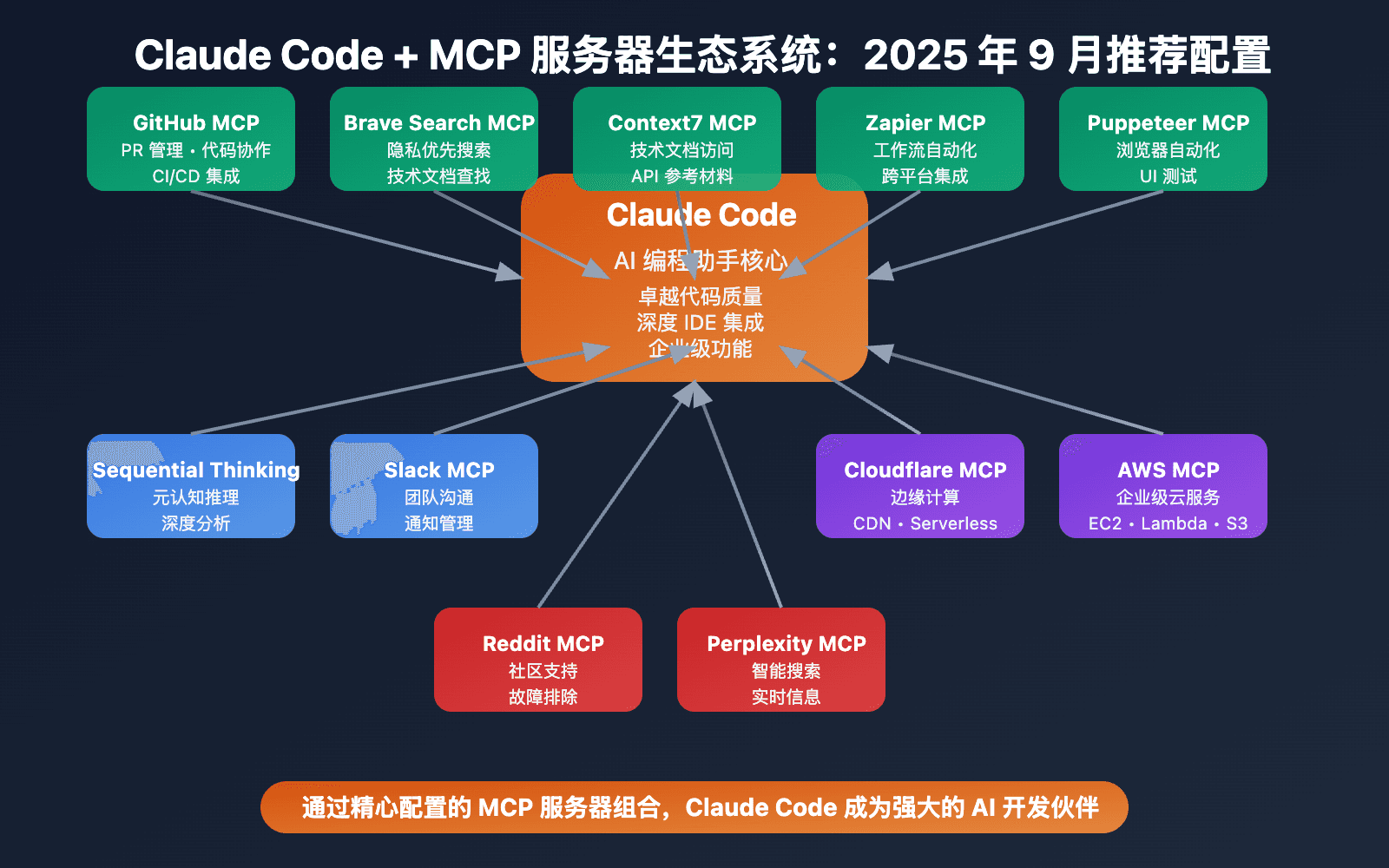
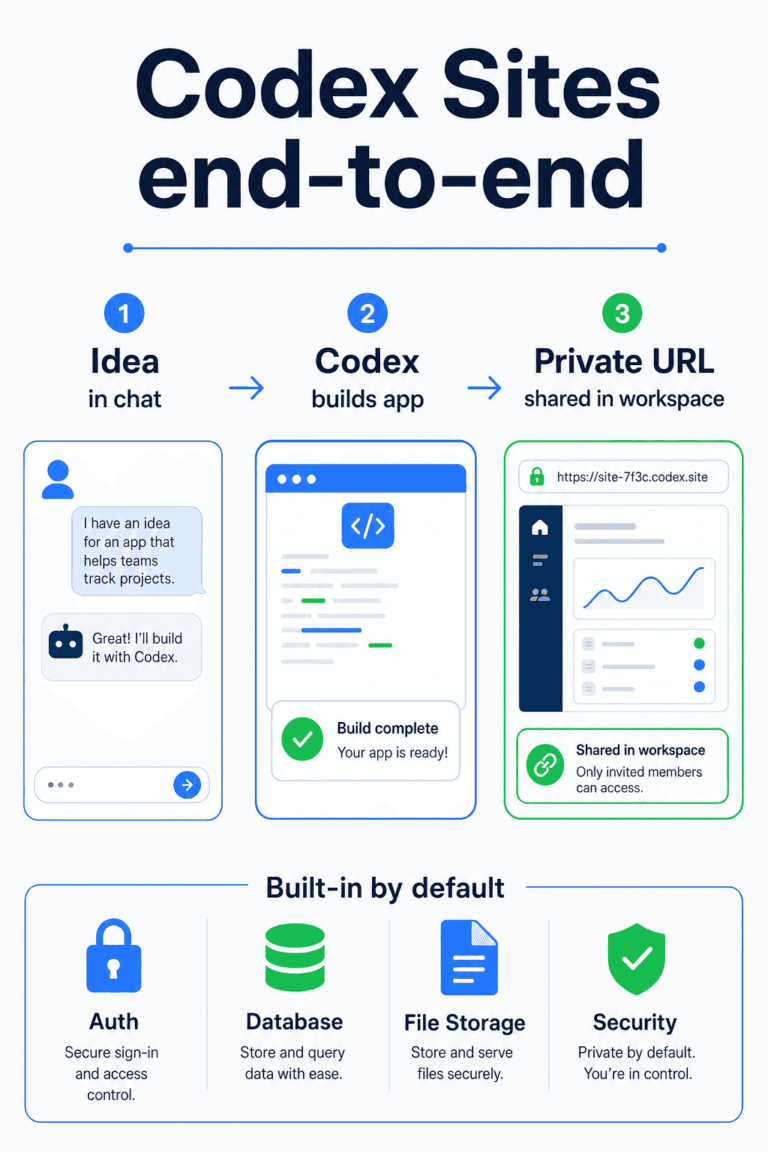
The tool is reportedly already functional across multiple AI development environments, specifically mentioning compatibility with Claude Code, OpenClaw, and Codex. This broad platform support suggests the solution employs standardized protocols or APIs that can interface with various AI systems rather than being tied to a single proprietary platform.
The "insane onboarding" process mentioned in the source material implies a remarkably streamlined integration experience, potentially using the AI's own capabilities to configure and optimize its data purchasing behavior. This self-configuration aspect represents another layer of autonomy, reducing human intervention in what could become a continuous cycle of data evaluation, purchase, and utilization.
Implications for AI Development
This development fundamentally changes the relationship between AI systems and their data environments. Traditionally, AI models have operated within bounded datasets determined and provided by their developers. With this new capability, AI agents can actively seek out and purchase the specific information they determine would most enhance their performance on given tasks.
The financial autonomy aspect introduces market dynamics directly into AI operations. Agents could theoretically engage in cost-benefit analyses regarding data purchases, potentially developing strategies for data acquisition that balance expense against expected performance improvements. This creates a new dimension of AI optimization that extends beyond algorithmic efficiency to include resource allocation economics.
Potential Applications and Use Cases
While specific applications aren't detailed in the source material, the implications span numerous domains:
- Financial AI systems could purchase real-time market data, economic indicators, or specialized financial analysis
- Research assistants could access paywalled academic journals, patent databases, or specialized scientific data
- Business intelligence agents could subscribe to industry reports, competitive intelligence, or market research
- Creative AI tools could license high-quality media assets, fonts, or design resources
- Legal and compliance AI could access updated regulatory databases and legal precedents
The system's ability to work across multiple AI platforms suggests potential for cross-platform data sharing or collaborative data purchasing among different AI agents working on related problems.
Ethical and Practical Considerations
This advancement raises several important questions about AI autonomy and responsibility:
- Financial accountability: Who bears responsibility for AI spending decisions? How are budgets established and monitored?
- Data quality verification: How do AI agents evaluate the quality and reliability of purchased data?
- Market manipulation potential: Could large-scale AI data purchasing influence data markets or create artificial demand?
- Transparency requirements: Should AI data purchases be logged and auditable for regulatory or ethical review?
The self-determining budget feature mentioned in the source suggests these systems may develop sophisticated understanding of data value, potentially creating new forms of AI economic behavior that researchers will need to study and understand.
Future Development Trajectory
This tool appears to represent an early implementation of what could become standard infrastructure for advanced AI systems. As AI agents take on more complex, real-world tasks, their ability to access current, high-quality information becomes increasingly critical. The automation of this process through financial transactions creates a scalable model for AI data acquisition.
The mention of 250+ premium APIs suggests an ecosystem approach, where the tool serves as a marketplace intermediary between data providers and AI consumers. This could stimulate development of specialized data products tailored specifically for AI consumption, potentially with different formatting, update frequencies, or metadata requirements than human-oriented data services.
Conclusion
The development of AI agents capable of autonomously purchasing premium data represents a significant milestone in artificial intelligence evolution. By combining financial autonomy with sophisticated data evaluation capabilities, this tool enables AI systems to actively manage their information environments in ways previously requiring human intervention.
As this technology matures, it will likely influence both AI development practices and data market economics. The seamless integration across multiple AI platforms suggests this capability may become widely accessible, potentially accelerating AI advancement across numerous domains by removing data access barriers that have traditionally constrained AI system capabilities.
Source: @hasantoxr on X/Twitter