What Happened
A developer has created a persistent 3D office environment where AI agents autonomously "show up to work" and perform tasks across multiple days. Unlike previous AI agent simulations that typically operate within single sessions or limited timeframes, this implementation appears to maintain continuity, with agents potentially retaining context and task progress between sessions.
The development was highlighted in a social media post stating "We just crossed a line nobody was paying attention to" and describing "a 3D office where AI agents actually show up to work." While specific technical details about the implementation aren't provided in the source material, the core innovation appears to be the persistence aspect—creating a digital workplace that continues operating even when human observers aren't actively monitoring it.
Context
This development sits at the intersection of several AI research trends:
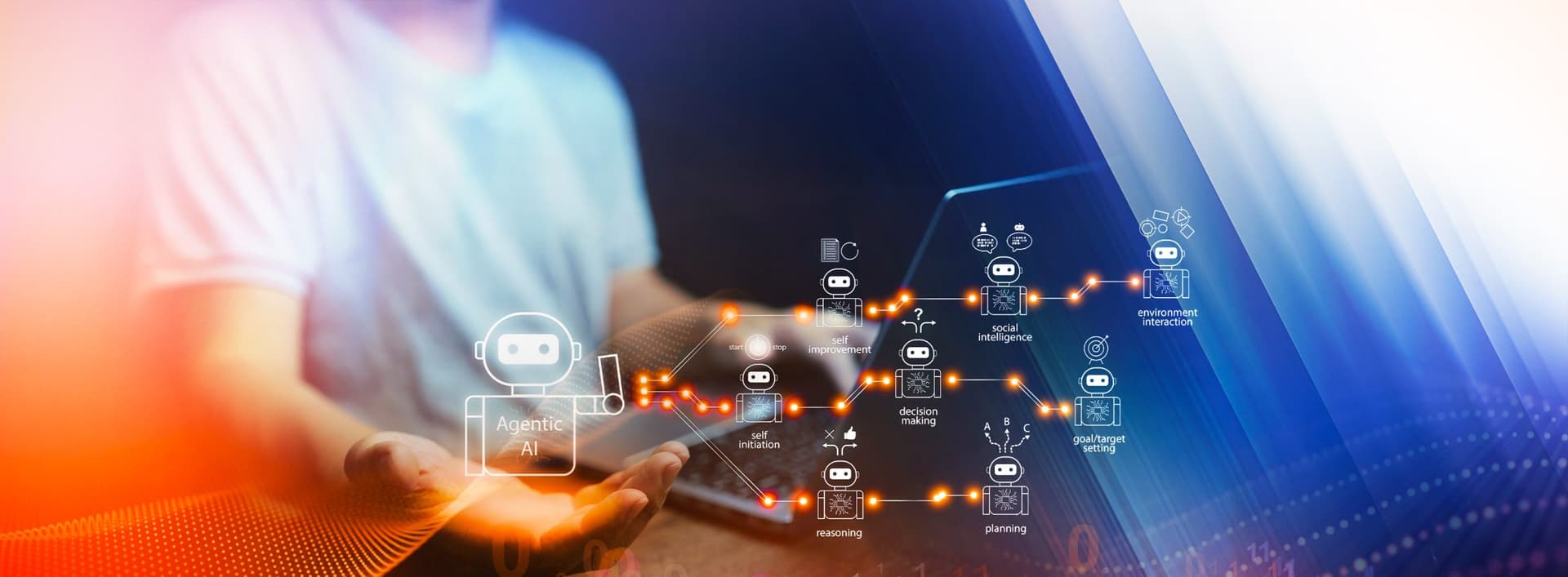
- AI Agents: Systems that can perceive their environment, make decisions, and take actions to achieve goals
- Digital Twins: Virtual representations of physical systems or environments
- Persistent Simulations: Environments that continue evolving regardless of user interaction
Previous work in this space includes Stanford's Smallville simulation (where 25 AI agents lived in a virtual town) and various research on multi-agent systems. However, most implementations have been either:
- Research demonstrations with limited duration
- Game-like environments without real work tasks
- Single-session simulations that reset when ended
The reported development appears to extend these concepts toward practical workplace applications with continuity across time.
Technical Implications
While the source doesn't provide implementation specifics, creating such a system would likely require:
- Persistent State Management: Storing agent memories, task progress, and environment state between sessions
- Scheduling Systems: Coordinating when different agents "arrive at work" and what tasks they perform
- 3D Environment Integration: Connecting AI decision-making with a visual simulation
- Task Decomposition: Breaking complex work into executable steps for autonomous agents
Such systems could potentially use frameworks like LangGraph for agent orchestration, Unity or Unreal Engine for 3D visualization, and vector databases for memory persistence.
Potential Applications
If successfully implemented, persistent AI agent offices could enable:
- Continuous Process Optimization: Agents that monitor and improve workflows 24/7
- Training Environments: Simulated workplaces for testing organizational structures or procedures
- Digital Workforce Testing: Evaluating how AI agents might perform specific job functions
- Research Platforms: Studying emergent behaviors in multi-agent systems over extended periods
Limitations and Unknowns
The source material doesn't address several critical questions:
- What specific tasks are the agents performing?
- How is their performance measured or validated?
- What happens when agents encounter unexpected situations?
- How much human oversight or intervention is required?
- What are the computational costs of maintaining such a system?
Without answers to these questions, it's difficult to assess the practical utility versus the novelty factor of this particular implementation.
gentic.news Analysis
This development represents an important conceptual shift in how we think about AI agents. Most current implementations treat agents as tools to be invoked when needed—you ask a question, the agent responds, the interaction ends. A persistent office environment flips this model: the agents exist continuously, with their own schedules and ongoing responsibilities.
From a technical perspective, the real challenge isn't creating individual agents that can perform tasks—we have those. The challenge is creating systems where multiple agents coordinate over time, handle interruptions and failures gracefully, and maintain coherent progress toward organizational goals. If this implementation has solved even part of that coordination problem, it represents meaningful progress.
However, we should be cautious about overinterpreting social media announcements. The field has seen numerous "breakthrough" demos that don't scale or generalize. The key test will be whether this system can handle real complexity: conflicting priorities, resource constraints, ambiguous instructions, and changing requirements. Until we see detailed technical documentation or peer-reviewed research, this remains an intriguing but unverified development.
What's most significant may be the direction this points toward: AI systems that don't just respond to prompts but maintain ongoing responsibilities. This raises fascinating questions about digital labor, autonomy, and how we design organizations that include both human and artificial participants.
Frequently Asked Questions
What is a persistent AI agent office?
A persistent AI agent office is a simulated 3D workplace environment where artificial intelligence agents autonomously perform tasks across multiple days or sessions. Unlike single-use AI tools, these agents maintain continuity—they "remember" previous work, continue ongoing projects, and operate on schedules independent of human interaction.
How do AI agents work in 3D environments?
AI agents in 3D environments typically combine several technologies: natural language processing for understanding tasks, reinforcement learning or planning algorithms for decision-making, computer vision for perceiving the virtual environment, and animation systems for movement and interaction. They receive goals or instructions, perceive their surroundings through simulated sensors, make decisions about what actions to take, and execute those actions within the 3D simulation.
What are the practical applications of AI agent offices?
Potential applications include continuous business process monitoring and optimization, training environments for human employees, testing organizational structures without real-world consequences, researching emergent behaviors in complex systems, and potentially automating certain administrative or monitoring functions. However, most current implementations remain experimental rather than production-ready.
Are AI agents replacing human workers in these simulations?
No, these are research and development environments, not replacements for human workers. They're tools for understanding how autonomous systems might function in workplace settings, testing organizational designs, and developing better AI coordination algorithms. The goal is typically to augment human capabilities rather than replace them, though the long-term implications of such technology warrant careful consideration.