The Innovation — What the source reports

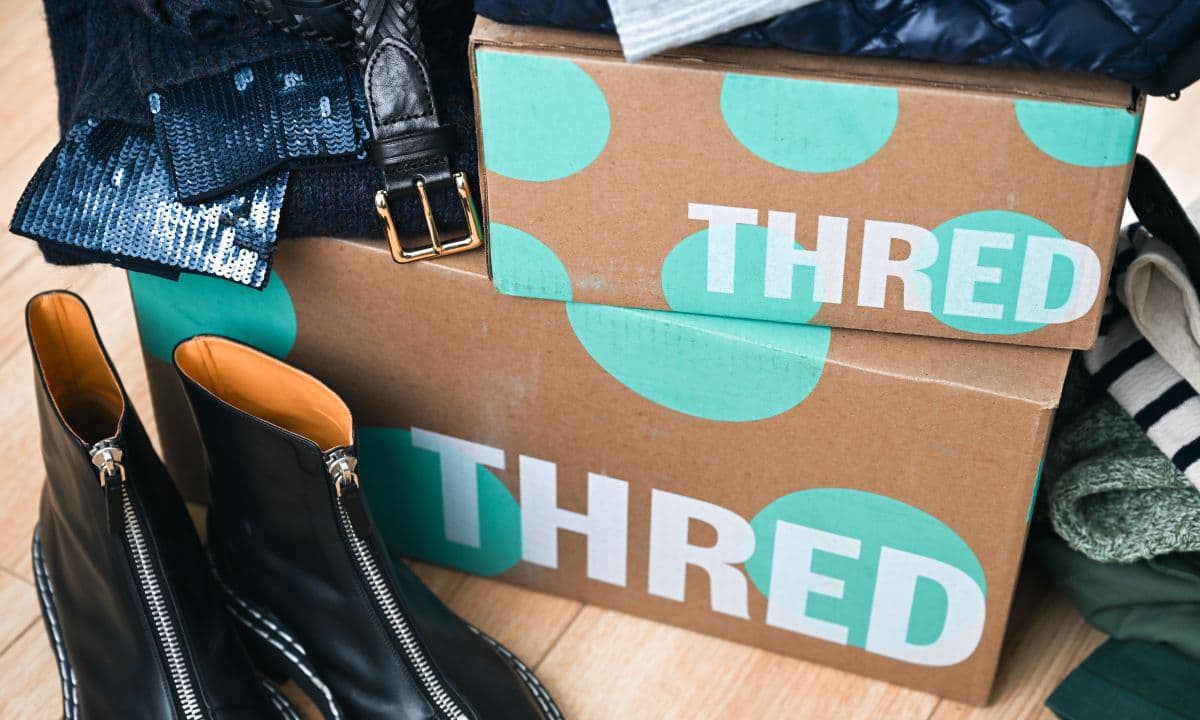
The PYMNTS.com article, "AI Turned Thrift Into a Profitable Fashion Machine," highlights a significant operational shift in the secondhand and thrift fashion industry. Historically reliant on manual labor for sorting, pricing, and authentication, this sector is now leveraging artificial intelligence to automate and scale these core processes. The central thesis is that AI is transforming thrift from a niche, labor-bound operation into a high-margin, scalable business model.
While the provided source excerpt is limited, the title and context point to specific AI applications that have become prevalent in the space. These typically include:
- Automated Pricing & Valuation: Machine learning models analyze millions of data points—including brand, style, condition, seasonality, and real-time market demand on platforms like eBay, Poshmark, and The RealReal—to determine optimal listing prices that maximize sell-through and profit.
- Visual Authentication & Condition Grading: Computer vision systems, trained on vast datasets of product imagery, can identify counterfeit items and automatically assess a garment's condition (e.g., pilling, stains, fading) far more consistently and at greater speed than human graders.
- Intelligent Sorting & Tagging: Natural Language Processing (NLP) and image recognition automatically generate rich, search-optimized product descriptions and tags from a simple photo, drastically reducing the time from intake to listing.
This technological stack replaces guesswork and inconsistent human judgment with data-driven consistency, allowing businesses to process exponentially higher volumes of unique items profitably.
Why This Matters for Retail & Luxury
For luxury and retail leaders, the AI-driven transformation of thrift is not a peripheral trend; it's a direct challenge and opportunity that reshapes the entire value chain.
1. The Rise of a Sophisticated Competitor: The curated, AI-powered resale platform is no longer a flea market. It's a high-margin, data-rich retailer that competes directly with primary sales. These platforms understand market value and consumer desire with granular precision, potentially influencing primary pricing strategies and launch cycles.
2. Data Sovereignty & Circularity: Luxury brands are aggressively pursuing circular business models and resale programs (e.g., LVMH's Nona Source, Kering's partnership with Vestiaire Collective). To run these profitably and at scale, they require the same AI capabilities—automated authentication, pricing, and logistics—being perfected by thrift innovators. The technology is becoming a prerequisite for owning the secondary market relationship with the customer.
3. Supply Chain & Demand Forecasting: The data generated by AI-thrift platforms provides an unprecedented, real-time view of product longevity, enduring style value, and regional demand fluctuations. Luxury houses can use these insights to inform design, production volumes, and even marketing narratives around timelessness and investment value.
4. Counterfeit Defense at Scale: Automated visual authentication AI, trained to spot fakes, is a powerful tool that can be deployed beyond a brand's own resale platform. It can be integrated into customs workflows, partner retailer systems, and consumer-facing apps, creating a broader defense network.
Business Impact
The business impact is quantified in the operational metrics of leading players. Companies like The RealReal (which went public in 2019) and ThredUp (IPO in 2021) have built their entire business models on this AI automation stack. Their financials reveal the leverage:
- Reduced Cost of Processing: AI slashes the minutes (and therefore labor cost) required to process a single item from intake to listing.
- Increased Average Order Value (AOV): Data-driven pricing ensures items are not undervalued, directly boosting revenue per transaction.
- Higher Sell-Through Rates: Accurate pricing and compelling automated listings lead to faster inventory turnover.
- Scalability: The marginal cost of processing the 100,000th item is dramatically lower than the 1,000th, enabling profitable growth.
For a luxury brand launching its own resale channel, the impact is similar: transforming a potential cost center (handling returns and trade-ins) into a profitable, data-generating customer touchpoint.
Implementation Approach

Implementing a similar AI capability within a luxury organization requires a focused, phased approach:
Data Foundation: The first step is aggregating and structuring internal data—SKU information, high-resolution product imagery, historical sales data, repair records. For authentication models, this must be supplemented with a controlled dataset of known counterfeits.
Pilot Use Case: Start with a discrete, high-value problem. Automated condition grading for a brand's own repair and refurbishment program is an ideal internal pilot. It has clear ROI (labor savings), uses proprietary data, and de-risks the technology.
Model Development or Partnership: Build in-house if you possess unique, defensible data and AI talent. More commonly, luxury brands partner with specialized SaaS providers (e.g., Entrupy for authentication, Lydia.ai for pricing insights) or form strategic alliances with established resale platforms to gain access to their technology and market data.
Integration into Operations: The AI must be embedded into physical and digital workflows—from the concierge receiving a client's bag for resale to the CRM system updating a client's profile with their trade-in history.
Governance & Risk Assessment
- Brand Integrity & Accuracy: An AI authentication error that lets a fake through on a brand-owned platform is catastrophic. Model accuracy rates (e.g., 99.5%+) must be contractually guaranteed with partners and rigorously validated in-house. Human expert oversight remains essential for high-value items.
- Data Privacy & Client Confidentiality: Resale data is intensely personal. AI systems handling this data must comply with global regulations (GDPR, CCPA) and the brand's own covenant of discretion with its clients.
- Market Cannibalization: A key governance question is how pricing AI is calibrated. Should it maximize profit on the resale item, or should it be tuned to protect the value of primary sales? This requires strategic alignment, not just technical optimization.
- Technology Maturity: Computer vision for hard-good authentication (handbags, watches) is highly mature. For complex garment condition grading, it is advanced but may still require human verification for edge cases. The technology is production-ready but demands careful implementation.
gentic.news Analysis
This report on AI in thrift is a critical data point in a broader trend we've been tracking: the operational digitization of fashion's entire lifecycle. It follows the trajectory of companies like The RealReal, which has consistently invested in its "Gemmies" (proprietary AI pricing engines) and authentication tech since its founding. This movement aligns with our previous coverage on LVMH's launch of the Nona Source platform for deadstock fabrics, which, while not AI-focused, represents the same imperative of using technology to unlock value from dormant inventory.
The key competitive insight is that the entities mastering this AI stack—ThredUp, The RealReal, StockX—are building formidable data moats. They are not just retailers; they are analytics companies that understand product depreciation and demand curves better than anyone, including the original brands. For luxury conglomerates like Kering, which took a strategic stake in Vestiaire Collective, the play is clear: acquire the technology and market intelligence by partnering with the leader.
Looking at the entity relationships, we see a pattern: Luxury Brands are increasingly connected to Resale Platforms via partnerships (Kering x Vestiaire) or in-house ventures (Richemont's Watchfinder). The connective tissue enabling these relationships to be profitable, rather than merely brand-friendly, is precisely the AI-driven operational efficiency highlighted in this article. The next phase will be the white-labeling of this AI stack, allowing brands to run resale as a seamless, branded service powered by a third-party's battle-tested technology. The thrift machines are becoming the luxury industry's new back-office engines.