Key Takeaways
- Amazon expanded Alexa for Shopping to show 30, 90, and 365 days of price history.
- Over 50 million customers have used the feature since 2024, enhancing deal confidence.
What Happened
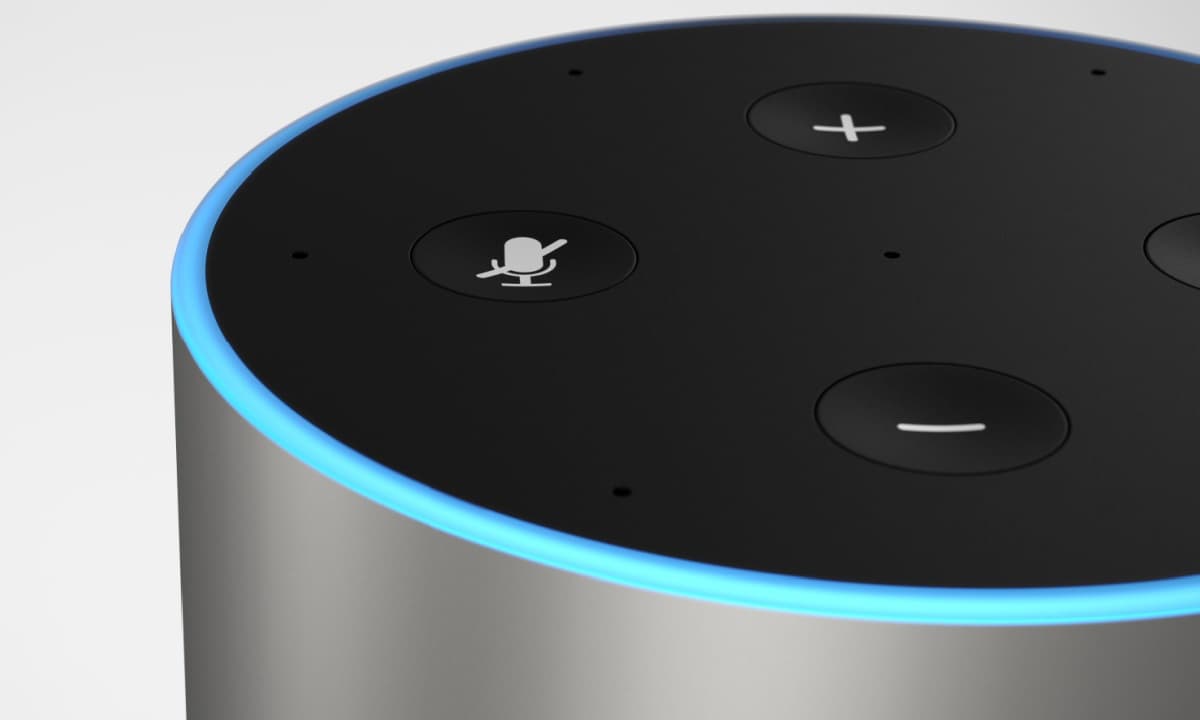
Amazon has expanded the price history function of its agentic artificial intelligence (AI) shopping assistant, Alexa for Shopping. The assistant now displays 30, 90, and 365 days of price history for products, allowing customers to verify whether they are getting a good deal. According to Amazon’s blog post, the feature aims to help shoppers “feel confident they’re getting a great deal.”
Since the feature launched in 2024, over 50 million customers have checked price history through Alexa. This update extends the time horizon from the previous shorter windows, giving shoppers a more comprehensive view of price trends.
Technical Details
Alexa for Shopping is an agentic AI system — it can perform multi-step tasks, such as comparing prices, checking historical data, and making purchase recommendations. The price history feature leverages Amazon’s internal pricing data and presents it in a conversational interface. Customers can ask Alexa questions like “What’s the price history for this item?” or “Has this product been cheaper in the last year?”
The agentic nature means Alexa can proactively suggest checking price history when a customer is about to make a purchase, or answer follow-up questions about price trends. This represents a shift from passive voice assistants to proactive shopping agents.
Retail & Luxury Implications
While this feature is currently Amazon-specific, it has broader implications for retail and luxury e-commerce:

- Price transparency: Luxury brands often avoid deep discounts to maintain brand equity. However, customers increasingly expect transparency. Alexa’s price history could pressure brands to justify pricing or offer consistent value.
- Agentic AI in shopping: The success of Alexa for Shopping (50M+ users) validates agentic AI for retail. Other retailers — from Farfetch to Sephora — may need to build similar conversational agents that can access purchase history, inventory, and pricing data.
- Customer loyalty: Price history tools reduce information asymmetry, potentially reducing impulse buys but increasing trust. For luxury, this could mean fewer returns and higher satisfaction if customers feel they got fair value.
- Competitive pressure: Amazon’s move raises the bar for AI shopping assistants. Competitors like Google (with Shopping Graph) and Walmart must respond with comparable agentic features.
Business Impact
Amazon did not disclose specific conversion rate or revenue impact. However, the 50 million user figure suggests strong adoption. For retailers, agentic AI that provides price history can:
- Increase average order value by reducing hesitation
- Decrease return rates by ensuring customers are confident in purchase timing
- Improve customer lifetime value through trust and transparency

Implementation Approach
To replicate this capability, retailers need:
- Price history database: Store daily prices for each SKU over at least one year
- Natural language interface: LLM-based agent that can understand price-related queries
- Integration with shopping cart: Agent should trigger price history checks at decision points
- Real-time data pipeline: Prices change frequently; data must be updated daily
Complexity: Medium. Requires investment in data infrastructure and LLM integration, but feasible for mid-to-large retailers.
Governance & Risk Assessment
- Privacy: Price history is product-level, not customer-level, so privacy risk is low.
- Bias: No obvious bias in price history display, but if agent recommends products based on price history, it could favor volatile-priced items.
- Maturity: This is a proven feature at scale (50M+ users), so maturity is high. Retailers can adopt with confidence.
gentic.news Analysis
Amazon’s expansion of Alexa’s price history from shorter windows to 365 days is a logical step in making agentic AI more useful for shopping. The 50 million user milestone — reached within two years of launch — signals that consumers are ready for AI-powered shopping assistants that go beyond simple queries.
For luxury retailers, the implication is nuanced. Price history transparency can undermine the perception of exclusivity if customers see frequent discounts. However, luxury brands that maintain consistent pricing can use this feature to build trust — showing that their products hold value over time. Brands like Hermès or Rolex, which rarely discount, could benefit from price history data that validates their pricing strategy.
Amazon’s broader AI investments — including $4B+ in Anthropic, custom Trainium chips, and the Nova model family — underpin this agentic capability. The company is building an end-to-end AI stack from silicon to shopping assistant. Competitors should note that Amazon is not just adding a feature; it’s demonstrating how agentic AI can drive measurable customer engagement.
The next frontier: proactive price-drop alerts. If Alexa can monitor price history and notify customers when a desired product hits a low, that would further cement its role as a shopping agent. For now, the 365-day view is a strong step in that direction.
This article is based on reporting from PYMNTS.com and Amazon’s official blog post.
Source: pymnts.com