What Happened
In a recent interview, Anthropic CEO Dario Amodei made a stark prediction about the near-term impact of artificial intelligence on the workforce. According to a post by user @kimmonismus on X (formerly Twitter), Amodei stated that 50% of entry-level white-collar jobs will be "eradicated" within three years due to AI automation.
The post references an interview where Amodei discussed the accelerating capabilities of AI systems, particularly in tasks involving reasoning, writing, and data analysis—core functions of many entry-level professional roles.
Context
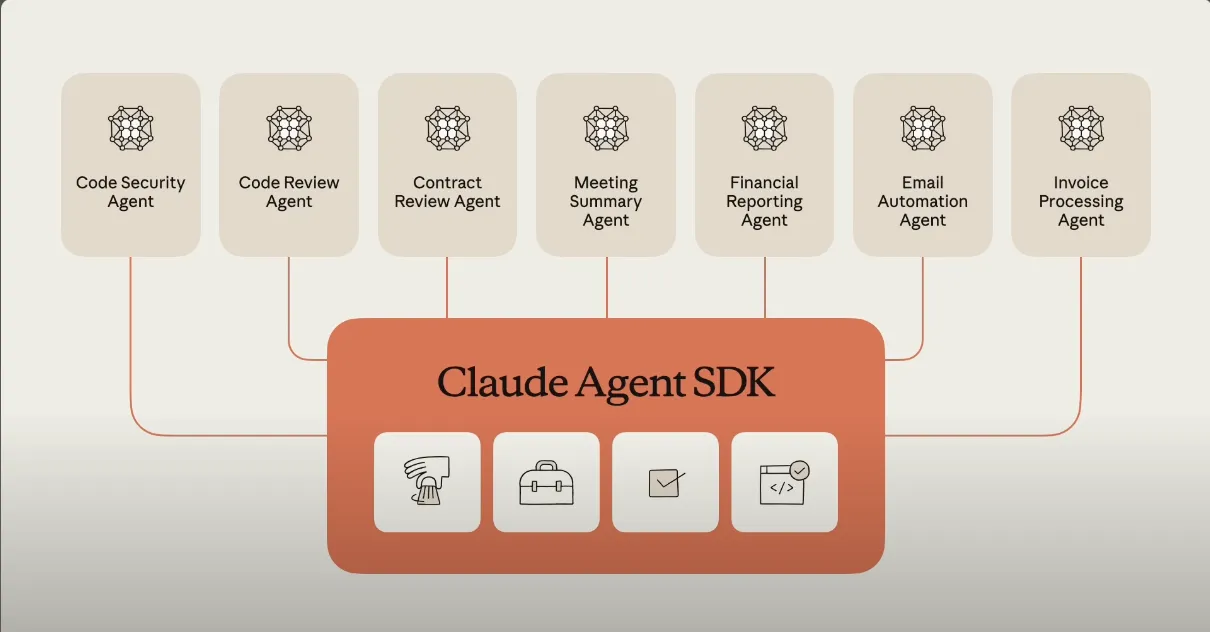
Dario Amodei, co-founder and CEO of Anthropic, has been a prominent voice in AI safety and capability discussions. Anthropic develops Claude, a leading large language model positioned as a competitor to OpenAI's GPT models. Amodei's background includes research roles at OpenAI and Google, giving him direct experience with the trajectory of AI development.
This prediction follows similar statements from other AI leaders about workforce disruption. In March 2024, Elon Musk stated that AI would eventually eliminate all jobs, while OpenAI CEO Sam Altman has discussed AI's potential to transform work rather than eliminate it entirely. Amodei's timeline of three years is notably more aggressive than many mainstream economic forecasts.
Entry-level white-collar jobs typically include positions in data entry, junior analysis, customer support, content creation, and administrative assistance—areas where current AI systems already demonstrate significant capability.
What Wasn't Said
The source material doesn't specify which interview contained the remark or provide additional context about Amodei's qualifications or caveats. It doesn't detail:
- Which specific job categories Amodei considers vulnerable
- Whether he distinguishes between "automation" and "eradication"
- What evidence or models support the three-year timeline
- Whether this prediction applies globally or to specific economies
Without the full interview context, it's unclear if Amodei presented this as a certainty, a plausible scenario, or a worst-case projection.