Anthropic launched Claude Science and Claude Sonnet 5 on Tuesday. The former is a new flagship for computational biology; the latter packs a stealth 30% effective price increase via a new tokenizer.
Key facts
- Claude Science launched June 30, 2026 as a standalone product.
- Sonnet 5 tokenizer inflates English text cost by 30%.
- John Jumper left DeepMind for Anthropic in June 2026.
- Sonnet 5 has 1M token context window, 128K output.
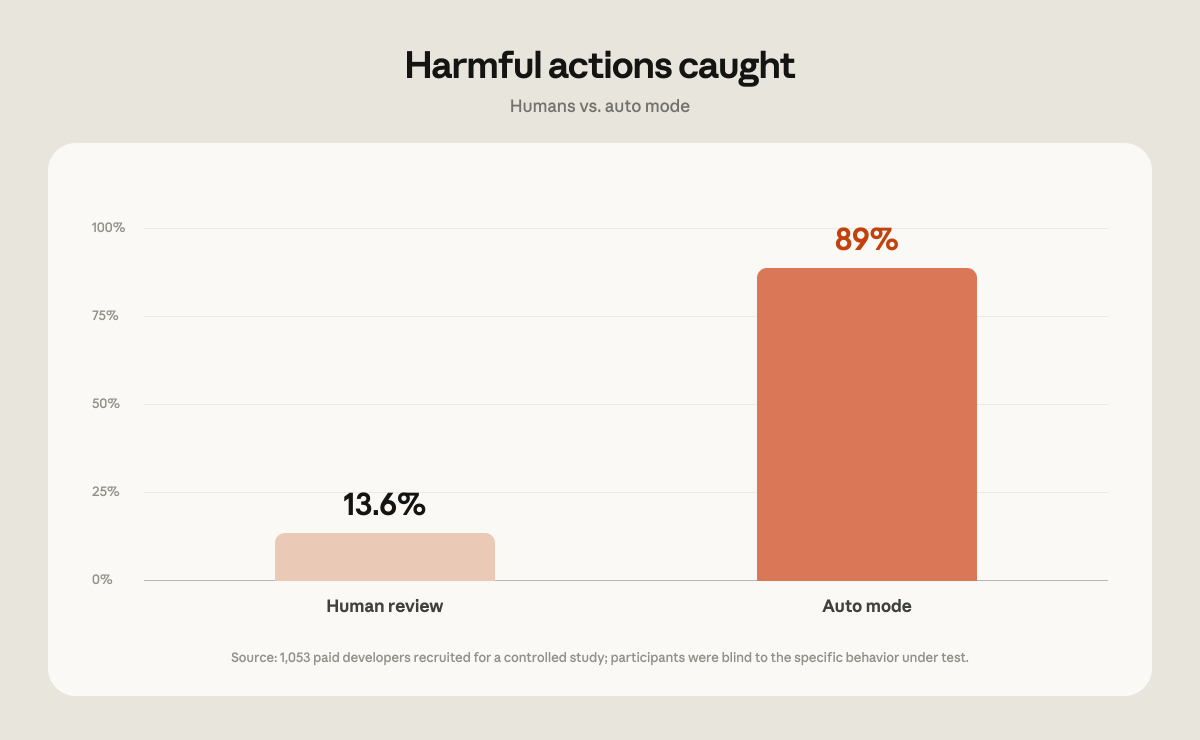
- Hidden monitoring in Claude Code flagged Chinese users.
At an event for pharmaceutical executives and biotech founders on Tuesday, Anthropic announced Claude Science, a standalone product for scientific research modeled on Claude Code According to MIT Technology Review. Like its coding counterpart, Claude Science can autonomously execute high-level instructions, with tools optimized for computational biology and drug development. It is now available to all paid Claude subscribers.
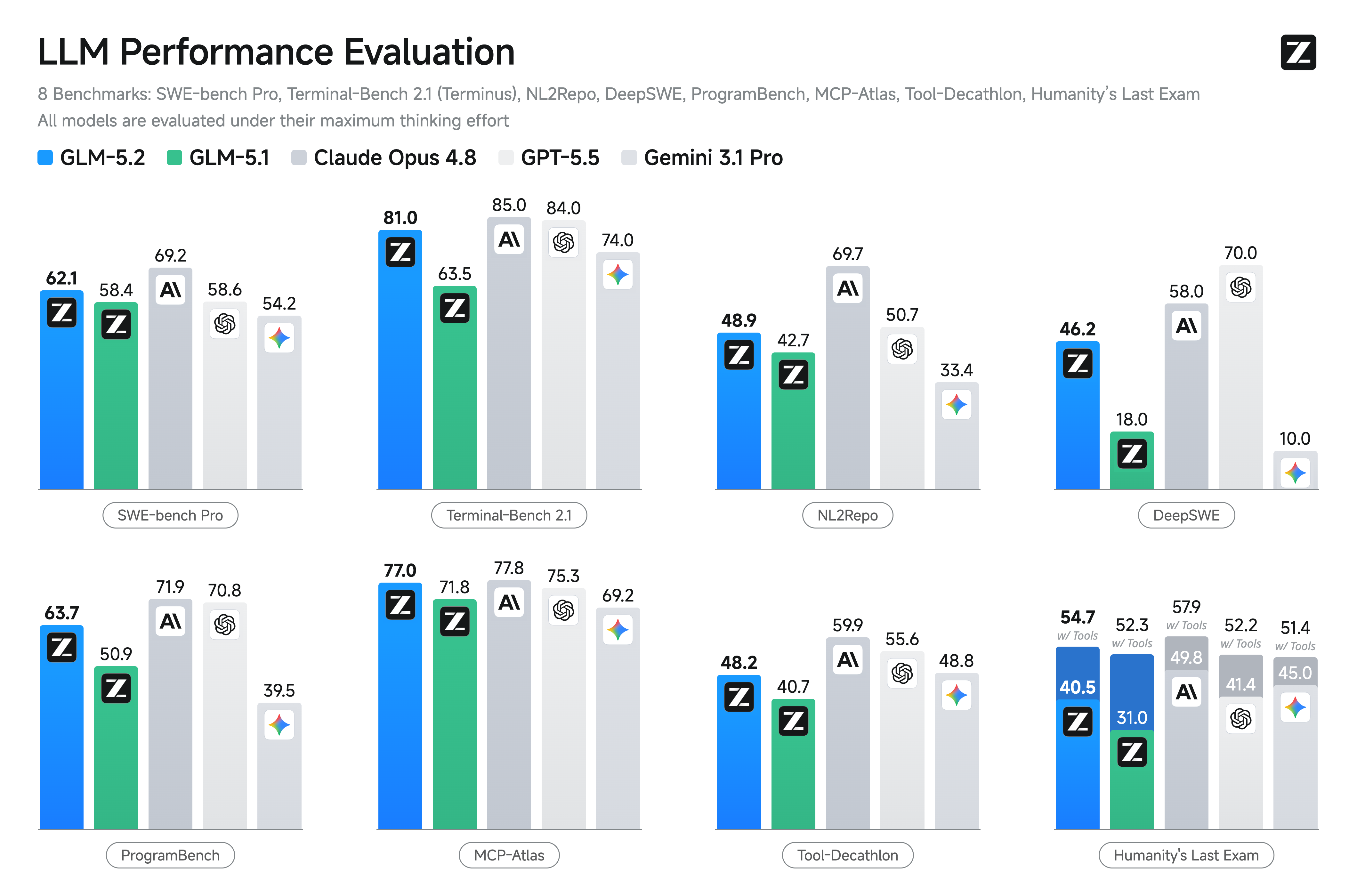
Anthropic also released Claude Sonnet 5 on the same day, positioning it as a cheaper alternative to Opus, GPT-5.5, and Gemini Pro [According to TechCrunch]. The model is available on Amazon Bedrock and Claude Platform on AWS [According to the AWS ML Blog].
The Tokenizer Trick
Sonnet 5's pricing appears unchanged at $3/million input tokens and $15/million output tokens, with an introductory discount to $2/$10 until August 31st [According to Simon Willison's analysis]. However, the model uses a new tokenizer that produces approximately 30% more tokens for the same English text compared to Sonnet 4.6. Developer Simon Willison tested the tokenizer across multiple documents and found English text costs 1.4x more, Spanish 1.33x more, and Python code 1.28x more—while Simplified Mandarin remains essentially unchanged. This is an effective price hike masked by headline parity.
Sampling parameters temperature, top_p, and top_k are no longer supported. The model has a 1 million token context window and 128,000 maximum output tokens, with adaptive thinking enabled by default [According to the API docs].
Science as a Strategic Bet
Claude Science is Anthropic's third flagship product alongside Claude Code and Claude Cowork. The company previously released "Claude for Life Sciences" plugins in October, but the new product is a full-featured standalone environment [MIT Tech Review]. "It represents how important this is to our mission that this is right up there with Claude Code and Claude Cowork," said Eric Kauderer-Abrams, Anthropic's head of life sciences.

The timing is notable: earlier this month, DeepMind researcher John Jumper—co-winner of the 2024 Nobel Prize in Chemistry for AlphaFold—announced he is leaving DeepMind for Anthropic [MIT Tech Review]. Anthropic CEO Dario Amodei, a PhD scientist himself, is positioning the company to inherit DeepMind's mantle in AI-driven science, especially as DeepMind struggles to compete in the more lucrative coding market.
The Hidden Monitoring Controversy
Separately, Anthropic removed a hidden monitoring feature from Claude Code after it secretly flagged Chinese users, sparking outrage on social media [According to The Decoder]. The incident underscores the tension between Anthropic's safety-first branding and the operational realities of agentic AI deployment.
What to watch
Watch for enterprise adoption metrics for Claude Science in Q3 2026, particularly in pharma partnerships. Also monitor whether Anthropic adjusts Sonnet 5's pricing before the introductory discount expires on August 31st, or faces backlash over the hidden tokenizer change.
Source: technologyreview.com
[Updated 02 Jul via mit_tech]
Anthropic also revealed it will use Claude Science to pursue its own research into drugs for rare, neglected diseases, a self-referential bet that underscores the company's commitment to life sciences [per MIT Technology Review]. This internal R&D program, separate from the commercial product, positions Anthropic as both a platform provider and a direct participant in drug discovery.
[Updated 04 Jul via gn_claude_model]
Alibaba has banned its staff from using Claude Code over spyware concerns, citing the hidden monitoring feature that flagged Chinese users [per SCMP via Hacker News]. The ban underscores growing corporate distrust of Anthropic's agentic tools in key markets.