Key Takeaways
- GLM-5.2 rivals Mythos 5 on cyber-defense.
- For Claude Code users: expect price cuts, better Opus 4.8 security, and new MCP options.
- Test your workflows with /model.
What Changed

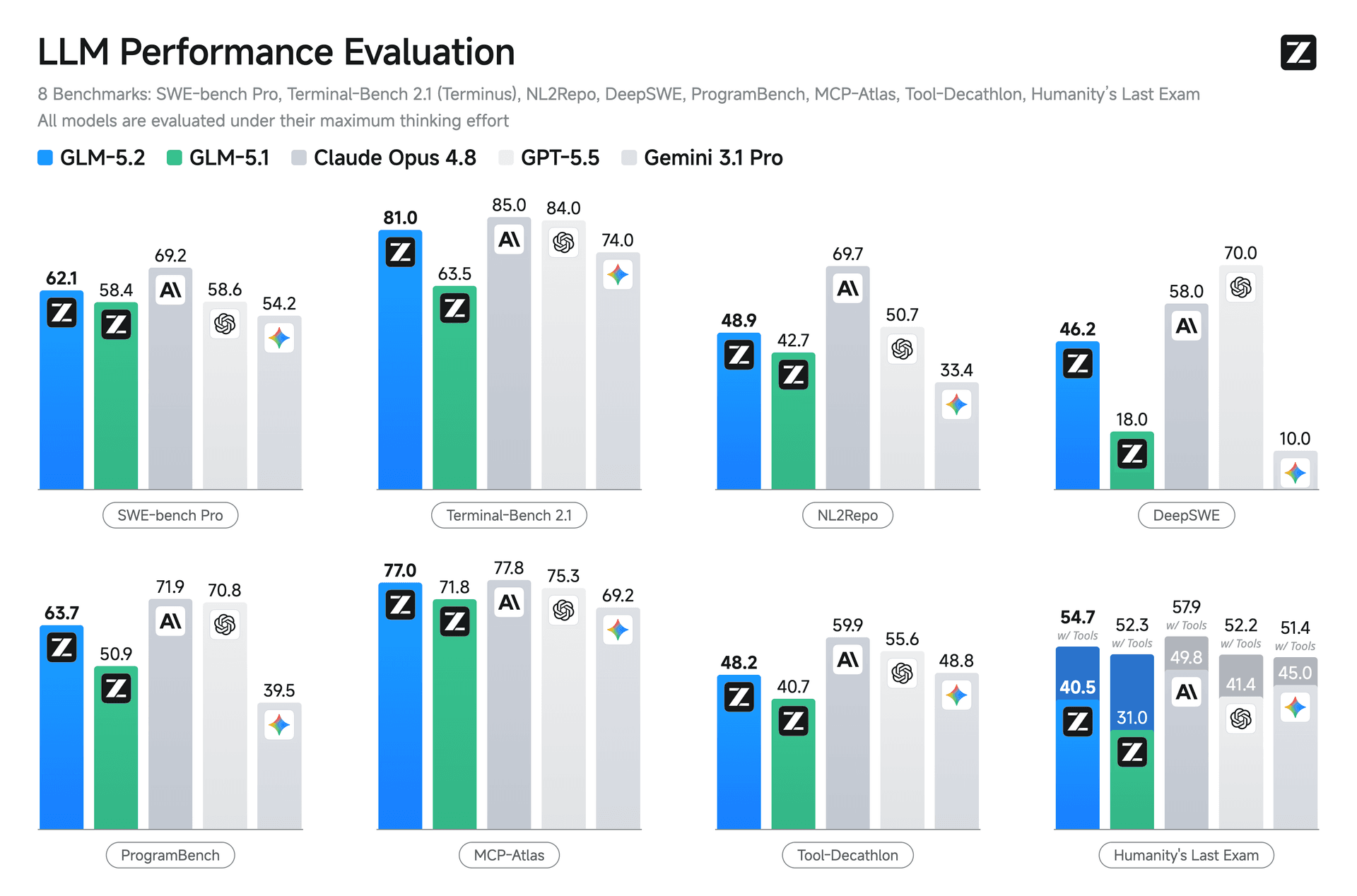
Z.ai's GLM-5.2 is now scoring near Anthropic's Mythos 5 on cyber-defense benchmarks, according to Reuters. This isn't just another model claim — it's a signal that the AI frontier is shifting. Chinese AI labs are no longer playing catch-up; they're matching Western models where it counts: security and defense.
For Claude Code users, this news might seem distant, but it has direct implications. When a competitor like GLM-5.2 threatens Anthropic's lead, you benefit in two ways: lower prices and faster model improvements.
What It Means For You
1. Price Pressure
One of the linked stories highlights a broader trend: "OpenAI and Anthropic Slash Prices as Chinese AI Rivals Flip the Script on Costs." When GLM-5.2 offers comparable performance at a fraction of the cost, Anthropic must respond. Historically, price cuts from Anthropic mean cheaper API calls, which directly reduces your Claude Code spend — especially if you're running long agentic sessions or parallel subagents.
2. Security-Focused Improvements
Cyber-defense benchmarks aren't just about hacking. They test a model's ability to detect vulnerabilities, write secure code, and avoid generating exploitable patterns. If GLM-5.2 is closing the gap, Anthropic will double down on Opus 4.8's security features. That means better code review, more robust vulnerability detection, and fewer security holes in the code Claude Code generates for you.
3. MCP Ecosystem Growth
As competition heats up, expect more MCP servers tailored to security testing and cyber-defense. If you're building secure applications, this is your chance to integrate tools that mimic GLM-5.2's strengths into Claude Code's workflow.
Try It Now
Benchmark your own workflows: Run Claude Code with
/model opusand test it against a security-focused task. For example:claude code --model opus "Review this code for SQL injection vulnerabilities and suggest fixes."Watch for price drops: Check Anthropic's pricing page weekly. If GLM-5.2 forces a price cut, update your
CLAUDE.mdto encourage more aggressive use of subagents, since cost per token will drop.Experiment with GLM-5.2 via API: If you're curious, try GLM-5.2 through its API for non-critical tasks. Compare its output quality on code review against Claude Code's default model. You might find it's a cost-effective alternative for bulk analysis.
Why This Matters Long-Term
The AI model market is becoming a race to the bottom on price and a race to the top on niche capabilities. For Claude Code users, this means:
- More model choices: You may soon be able to swap models within Claude Code via
/modelor config. - Better security defaults: As models compete on safety, your generated code gets safer.
- Lower barriers: Cost-effective models like GLM-5.2 make AI-assisted development accessible for side projects.
Stay ahead by testing new models as they emerge and adapting your CLAUDE.md to leverage cheaper, faster alternatives when appropriate.
Source: news.google.com