What Changed — The Buzz on OpenAI's Lead
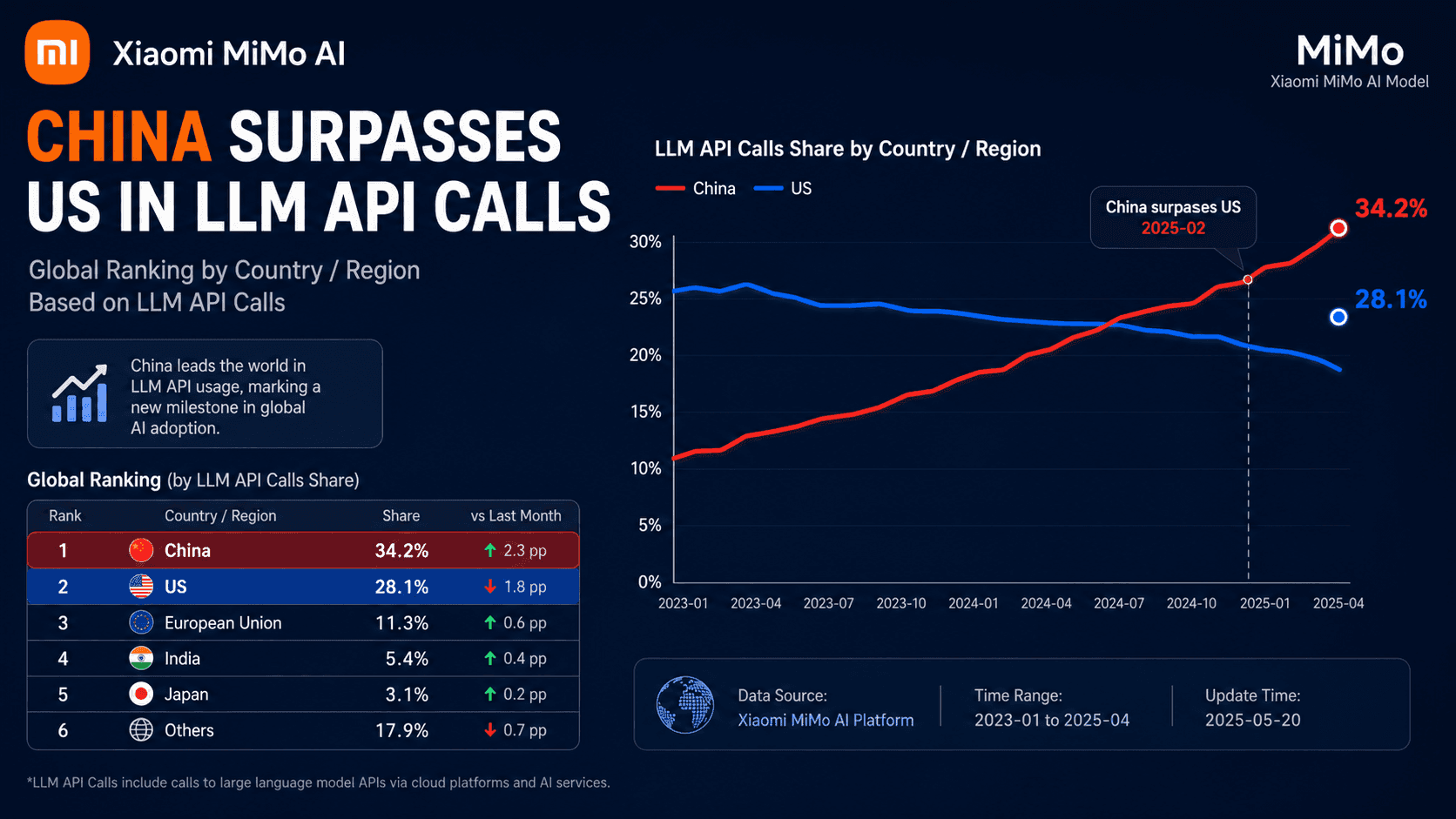
A Reddit post on r/Anthropic titled "OpenAI takes the lead" has sparked debate. While the image suggests a capability shift, the real signal for developers is about ecosystem momentum. OpenAI's recent releases and partnerships have put pressure on Anthropic, which directly impacts Claude Code users who rely on the tool for daily coding tasks.
This isn't just about benchmarks. It's about the tools and workflows you use. If OpenAI's models are pulling ahead, you need to extract maximum value from Claude Code's unique strengths—especially its MCP integration and context management.
What It Means For You — Concrete Impact
For Claude Code users, the competitive pressure means two things:
MCP Minimalism is Critical: The community has already shifted toward using fewer MCP servers to reduce context bloat. With OpenAI pushing performance, every token counts. If you're running multiple MCP servers, you're wasting context window on unnecessary tool definitions.
Stateless MCP is the Future: The 2026-07-28 MCP spec removed sessions and the initialize handshake. This stateless approach reduces overhead and makes Claude Code faster. If you haven't updated, you're leaving performance on the table.
Try It Now — Commands and Configs
Here's what you can do today to stay ahead:
# Audit your MCP servers
claude mcp list

# Remove unused servers
claude mcp remove <server-name>
# In your CLAUDE.md
- Use only 2-3 essential MCP servers
- Prefer stateless MCP servers
- Keep context lean: avoid verbose tool descriptions
Why It Works — The Reasoning
OpenAI's lead doesn't change Claude Code's core value: agentic coding with deep tool integration. But it does mean you can't afford waste. Every MCP server adds tokens to your context. Every verbose response eats into your window. By adopting MCP minimalism, you give Claude Code more room to reason and act.
The stateless MCP spec removes the handshake overhead, making tool calls faster. This is especially important for iterative coding workflows where you're constantly calling tools.
How To Apply It — Step-by-Step
- Audit Your MCP Servers: Run
claude mcp listand remove anything you haven't used in the last week. - Update to Stateless MCP: Check your MCP server configurations and update to the 2026-07-28 spec.
- Optimize CLAUDE.md: Remove verbose instructions. Keep only what Claude Code needs to know.
- Monitor Anthropic's Moves: Watch for new Claude models that might close the gap with OpenAI.
The Bigger Picture
Anthropic has a history of responding to competitive pressure. The company raised $65B at a ~$1T valuation and is investing heavily in cybersecurity and agentic capabilities. Claude Code remains a top-tier tool, but you need to use it efficiently to stay ahead.
The Model Context Protocol is Anthropic's key differentiator. With 13,000+ MCP servers available, the ecosystem is rich—but only if you use it wisely. The trend toward federated MCP servers and minimalism is exactly where you should focus.
Final Takeaway
OpenAI's lead is a wake-up call, not a reason to switch tools. Claude Code's MCP integration gives you a unique advantage—if you use it right. Cut the bloat, go stateless, and keep your workflows lean.
Source: reddit.com
[Updated 04 Aug via gn_claude_hooks]
Supabase has released Evals, an open-source benchmark that scores Claude Code, Codex, and OpenCode on real Supabase tasks, providing a concrete comparison point for developers assessing the competitive lead discussed above [per MarkTechPost]. This benchmark offers actionable data on where Claude Code stands against rivals, reinforcing the need for efficient workflows like MCP minimalism. Meanwhile, a practical guide highlights that Claude Code subagents route via description matching, with name collisions silently dropping files and bad tools entries blocking launches—key details for optimizing your setup.