Meta banned internal use of Claude Code and Codex to stop rival AI outputs from leaking into its training data. An internal memo warned of "serious escalations" with partners if distillation occurred.
Key facts
- Meta banned Claude Code and Codex use internally.
- Internal memo warns of 'serious escalations' over distillation.
- Meta on track to spend billions on internal AI this year.
- Meta building own coding assistant, MetaCode.
- Meta sent 45,000+ prompts testing rival chatbots as minors.
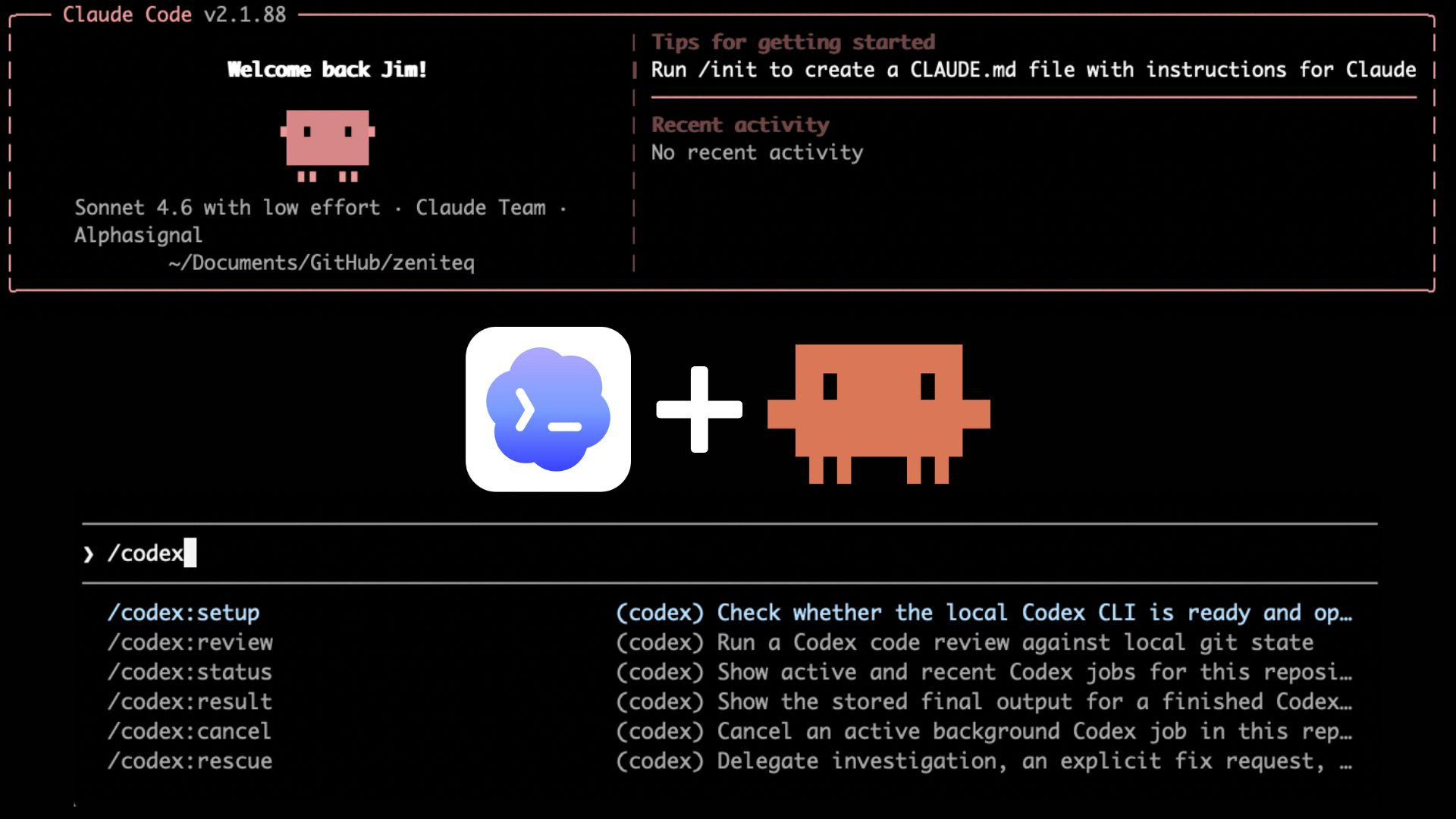
Meta is restricting how its engineers use Anthropic's Claude Code and OpenAI's Codex to prevent outputs from these AI tools from ending up in its own training data. According to The Decoder (citing internal documents obtained by The Information), Meta has even temporarily halted certain work with these models.
The company is worried about distillation — the unauthorized transfer of capabilities from rival AI models. An internal memo warned of "serious escalations" with partner companies if their model outputs were to leak into Meta's training data. This is not an abstract concern: Anthropic recently accused Alibaba of the largest known distillation attack to date, and Elon Musk admitted in April that xAI had partially distilled OpenAI's models. Terms of service from OpenAI, Anthropic, and Google all explicitly ban using model outputs to build competing systems.
Meta's Own Coding Tool and the Cost Calculus
Meta is currently building out its own coding assistant, MetaCode, and wants to cut its reliance on outside tools, partly because of rising costs. According to an internal memo, the company is on track to spend billions of dollars on internal AI use this year alone. Company policy bars engineers from using AI outputs to create test tasks or for code analysis. Human review is still required.
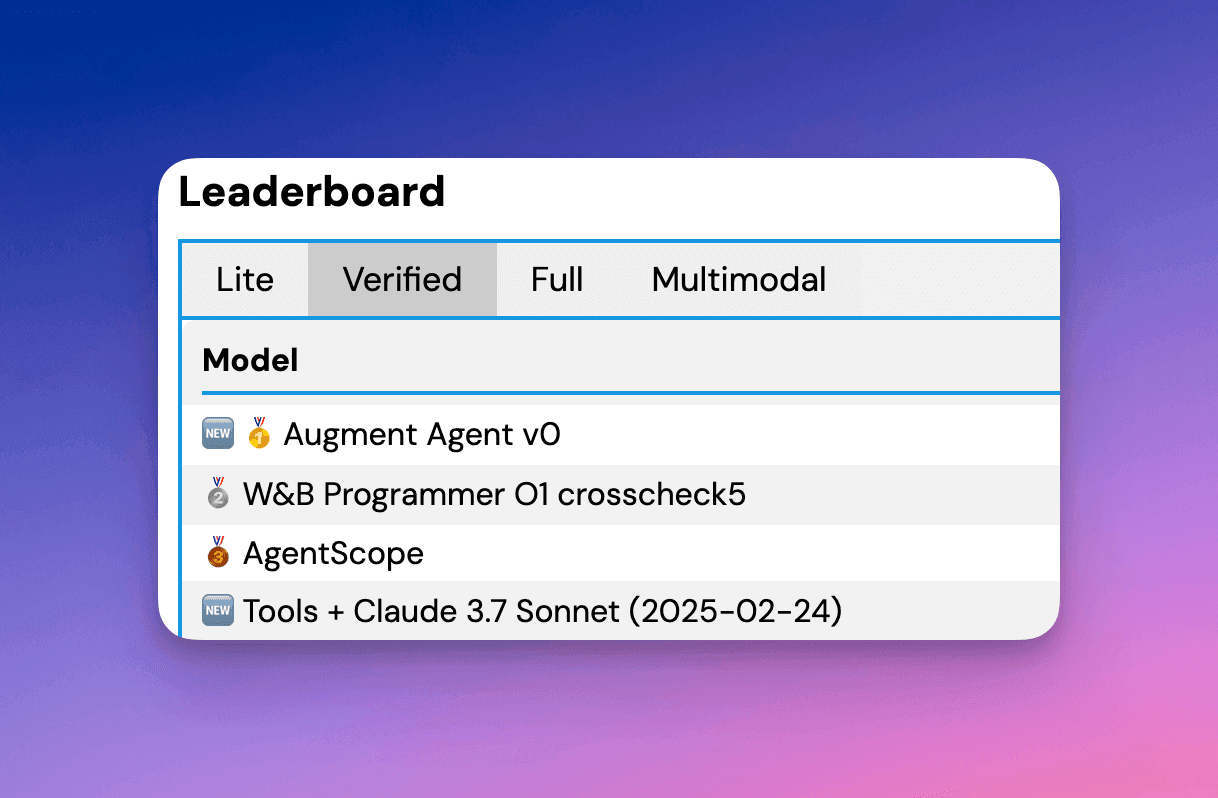
The policy creates an awkward tension. Meta employs thousands of engineers who rely on AI coding assistants daily. By blocking Claude Code and Codex, Meta is forcing its teams onto an in-house tool that may not match the capabilities of Anthropic's Terminal-Bench 2.1 78.9% or SWE-bench Pro 69.2% scores. The move prioritizes data hygiene over developer productivity.
The Distillation Arms Race
Distillation is causing friction across the industry. Meta said it has clear rules for the responsible use of AI tools, but the company's own history complicates that claim. WIRED recently reported that Meta had hundreds of contractors pose as minors and send suicide, sex, and drug-related prompts to chatbots from OpenAI, Google, and Character.AI — without those companies' knowledge. In a single testing round, more than 45,000 prompts were sent. That operation, aimed at safety testing, also generated output that could theoretically be used to train Meta's own models.
The ban on Claude Code and Codex is a defensive move in a broader distillation war. Meta wants to protect its own training data while aggressively testing competitors' models. The asymmetry is notable: Meta can probe ChatGPT and Gemini with 45,000+ prompts, but its engineers cannot use Codex to write a Python script.
What to Watch
Watch for MetaCode's public release and benchmark scores against Claude Code and Codex. If MetaCode fails to match performance, expect internal friction and potential policy carve-outs. Also watch for any distillation-related lawsuits from Anthropic or OpenAI — the terms of service violations here are explicit, and Meta's testing operation provides a paper trail.
Source: the-decoder.com
Key Takeaways
- Meta banned Claude Code and Codex internally to block distillation.
- Internal memo warns of 'serious escalations'; MetaCode build underway amid billions in AI spend.
[Updated 30 Jun via hacker_news_top]
Anthropic has added steganographic markers to prompts sent via Claude Code, embedding hidden watermarks that can trace outputs back to their origin. A developer discovered the technique after noticing consistent patterns in base64-encoded strings within system prompts. [per TheRealLo.dev] The markers allow Anthropic to detect if its model outputs are being used without authorization — a direct countermeasure against the type of distillation Meta's ban aims to prevent. This technical defense could escalate the cat-and-mouse game between AI companies.